


Img.Why Are High-End Telescopes Expensive Key Factors Behind the Cost.Webp
People often look at telescope prices and notice a big gap. Cheap models sit on one side. High-end ones cost much more. Entry-level telescopes work for simple views of the night sky. Professional ones serve research, serious imaging, industrial checks, or tough outdoor work. Size and magnification alone do not explain the price difference. Optical design, material choices, build accuracy, tech work, and careful checks drive the high-end telescope cost.
A professional telescope mixes exact optics, solid mechanics, and careful production steps. Every part matters. The lenses, the frame, and even the coatings shape how well it works and what it costs. Knowing these points helps buyers pick the right high-performance optical product for their needs.
Optical design sits at the heart of telescope cost. A strong telescope needs smart planning. It must deliver clear pictures, true colors, and steady results in many settings.
A precision optical system links many parts. Lenses, prisms, coatings, and focus tools all work as a team. Designers must balance several goals:
In astronomy, tiny optical flaws can spoil the view. A high-performance telescope cuts problems like color blur, shape warp, and light loss.
The telescope optical design process calls for computer models, real tests, and many fine-tunes. These steps raise research and build costs. Yet they give better results for users. Different setups also change the price. Refracting telescopes, reflecting telescopes, and compound telescopes each need their own skills and tools. Bigger openings gather more light. They also demand tighter control during making.
Material quality ranks as another big reason for the astronomical telescope price. Better parts raise the bill.
High-end telescopes use optical glass with top clarity and steady behavior. These materials sharpen the image and cut common flaws. Key points include:
Optical coating technology adds to telescope manufacturing cost. Multi-layer coatings boost light flow and cut bounce-back. Users then see clearer scenes in dim light. Beyond telescope lenses, prisms, metal frames, and protective covers also shape how long the tool lasts and how well it holds up.
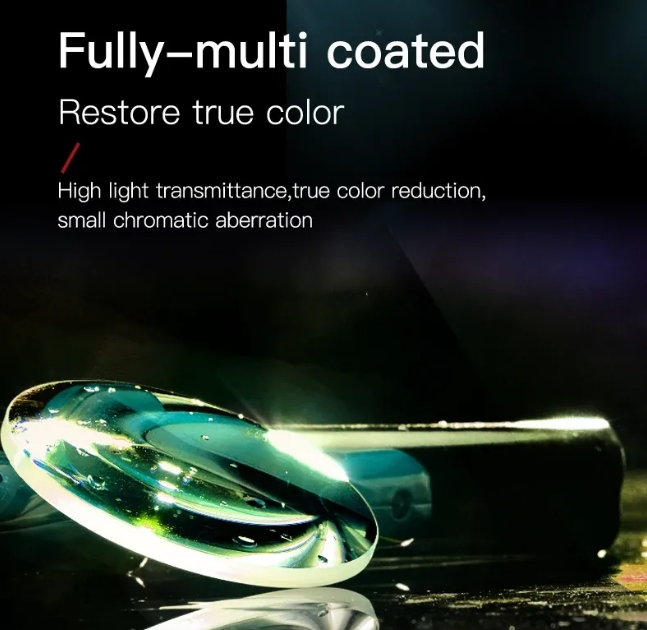
Img.Fully-multi coated Restore true color.webp
A high-end telescope starts in design rooms. It still needs advanced factory work to stay reliable.
Precision telescope manufacturing follows strict steps:
Even small mistakes can throw off the light path or make the image shake. Professional makers therefore spend a lot on machines and check systems. A good telescope must stay steady after shipping, outdoor use, and years of work. Careful control from start to finish makes that possible.
Portable optical devices for outdoor viewing need small size plus solid optical strength. HemuSun builds optical products that mix easy carry, steady pictures, and real-world usefulness across many settings. Some of these tools include stabilization technology. It cuts shake from hand movement. That feature suits travel, wildlife watching, events, and outdoor checks.
The price of a professional telescope also covers years of study and tech work.
Building optical products means constant work on:
A professional telescope maker needs skilled engineers and research groups. They solve tough optical puzzles. Costs cover test models, performance checks, and production upgrades. Tech spending matters most when optical systems join extra features such as image stabilization, digital add-ons, or phone links.
Today’s optical products focus more on real user needs. Compact monocular devices that work with smartphones can add photo options while staying easy to carry. These ideas need both optical skill and practical product know-how.
Modern buyers often want more than basic viewing. Extra tech and custom options can raise the final cost.
A custom telescope manufacturer can shape solutions for exact customer needs. Options cover:
Different fields ask for different optical answers. Science labs, factory checks, outdoor viewing, and everyday photo work each set their own bars for performance. Companies that buy optical products in bulk often gain from a telescope OEM manufacturer. They get help with design, smooth production, and tailored plans. Custom work needs extra engineering, tests, and factory plans. That raises cost yet creates tools that fit the job better.
Telescope costs change mainly because of their planned use and technical demands. The table below shows the main differences.
| Telescope Type | Main Features | Cost Factors |
| Entry-level telescope | Basic observation functions | Simple optics and standard materials |
| Professional astronomical telescope | Higher resolution and precision | Advanced optical design and manufacturing |
| Portable optical device | Compact and easy to carry | Miniaturized structure and optical performance balance |
| Customized optical equipment | Designed for specific applications | Engineering development and production requirements |
A higher price does not always mean the best pick for every person. The right choice depends on the viewing goal, the setting, and the needed strength.
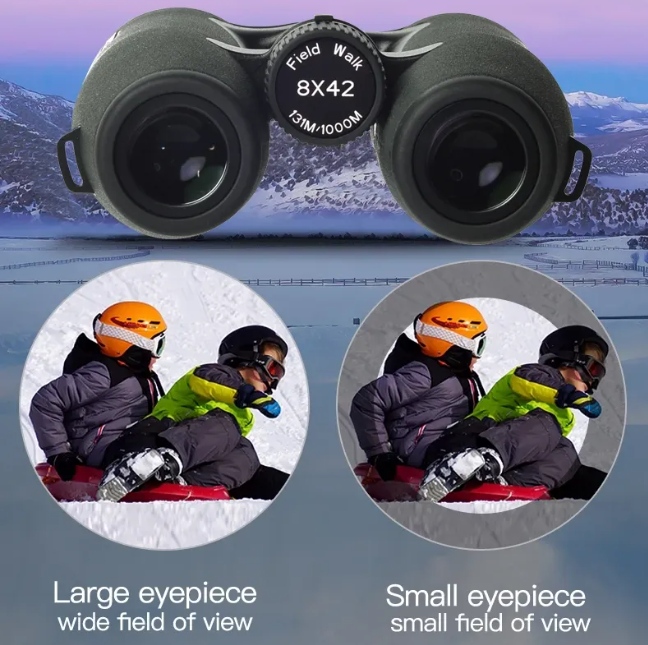
Img.Wide field of view.webp
Before buying a telescope, think about a few practical points:
Do not look only at magnification numbers. Check the full optical system. A balanced design usually gives a better viewing experience.
HemuSun Optical Instrument Co., Ltd. focuses on research, design, making, and selling of optical instruments. The company aims to supply strong optical products for many industries and uses.
With a skilled R&D team, HemuSun keeps exploring optical methods, new materials, and better factory steps. The goal is higher product strength and steady results. Production covers precision work, optical processing, and quality checks that keep standards even.
The company’s optical products serve science research, factory uses, medical checks, environmental watching, measuring tools, laser gear, and optical parts. HemuSun also offers custom plans to match different customer needs.
Quality control forms a core part of the making process. The firm runs tight inspection and test steps. It also gives tech help and after-sale service. It holds certifications and patents, including ISO, CE certificates, software copyrights, appearance patents, and utility model patents.
High-end telescope cost comes from many linked factors, not one single piece. Optical design, top materials, careful making, research spending, and custom options all shape the final price.
Users and firms that seek solid optical tools gain from knowing these points. They can then pick products that fit their needs. A professional telescope manufacturer with strong research power and factory experience can deliver steadier results, better quality checks, and fitting custom choices.
High-end telescopes use advanced optical designs, premium materials, precise build steps, and stricter quality checks. These improve picture quality, toughness, and long-term trust.
The main drivers are telescope optical design, lens materials, build accuracy, tech development, and custom needs.
Not always. The best telescope matches the user’s goal. Viewing needs, easy carry, optical strength, and the work setting all matter.
Yes. A skilled telescope OEM manufacturer can create custom plans based on optical goals, design wishes, and production volume.
Build quality shapes optical alignment, steady performance, toughness, and long-term use. Precise production and testing stay essential for professional optical tools.