
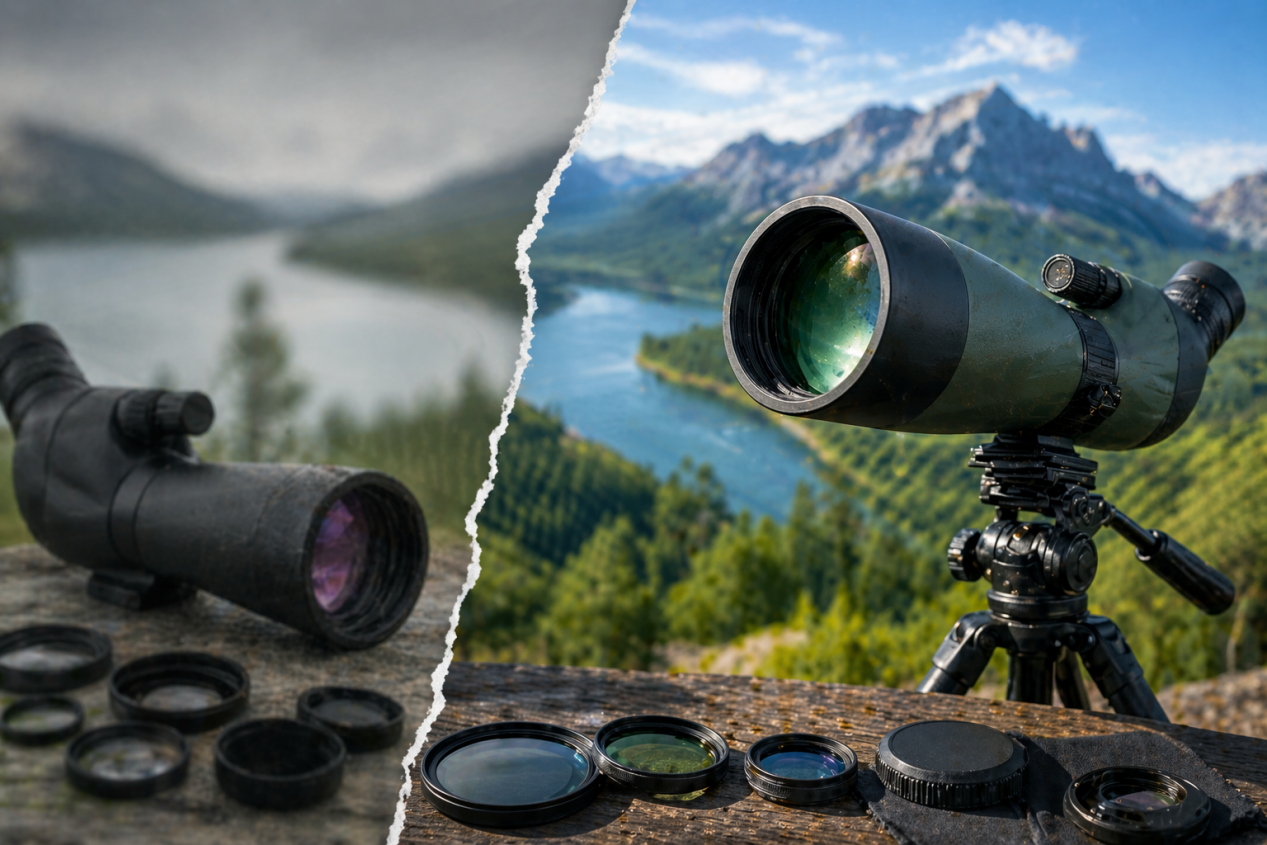
The spotting scope market has grown quickly in recent years. This growth comes from the need for low-cost optical tools among people who enjoy outdoor activities, birdwatching, and tactical work. Yet, while cheap models attract new users, experts often face big problems with these basic spotting scopes. Such issues stem from cuts in optical accuracy, build quality, and toughness against weather. In real-world tasks where precision and dependability matter most, small errors in lens setup or material strength can harm viewing results a lot.
Low-price spotting scopes often show clear optical problems. These reduce picture quality. They also make the scopes unfit for expert tasks.
Many low-cost spotting scopes use basic or bare lenses. These cut down light passage sharply. As a result, pictures look dim with weak contrast, especially in dim light. Bad coatings boost inner reflections too. This creates glare and color edges around sharp borders. Such problems grow worse at high zoom levels. Plus, simple glass types twist colors and blur side edges. This gives a faded picture that misses the sharp details needed for spotting targets right.
Another usual problem is uneven zoom power. In cheap models, zoom parts often shift the light path wrongly when changing levels. This shift shows as twisted images or spotty sharpness across the view. Focus slip happens often from loose build fits. When heat changes or shakes occur in use, the sharp point moves by itself. At top zoom, these issues stand out more. Sides get fuzzy, clearness drops, and users find it hard to follow far-off objects steadily.
Now, moving from optics to build parts shows more weak spots that harm daily use.
Optics set the clearness, but build design sets steadiness and easy handling. These two things often suffer in basic models.
Low-cost spotting scopes usually have plastic bodies, not metal or strong mixes. These plastics can bend from heat shifts or pressure. That leads to wrong setup between lens parts. Loose joins also weaken water and dust protection. Water can enter and cloud inner lenses or rust metal bits. Another big worry is shaky mounts. When fixed to stands or holders, weak links cause shakes that blur steady views during watching.
Exact focusing matters a lot for top-level watching. Sadly, many cheap scopes have rough focus wheels with too much wiggle or stickiness. These poor controls make small tweaks hard at high zooms. Over time, oil loss in the focus setup causes stiffness or bumpy moves. This cuts control sharpness even more during long outdoor sessions.
Build limits add to weather weaknesses. These soon reveal the soft spots in cheap builds.
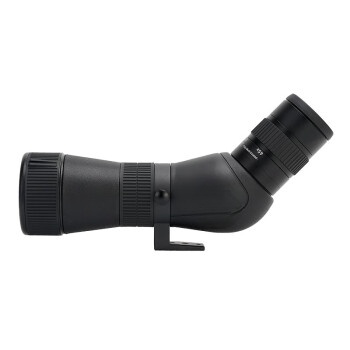
Toughness decides if a scope keeps working in real settings like wet air, rain, dirt, or sun rays.
Most basic spotting scopes miss good seal systems or gas filling. These features stop inner clouding. In wet air or quick heat shifts, water builds up inside the tube. It clouds lens faces and harms clear views for good. Designs without gas filling let air swap in. This brings tiny water bits to lens groups over time.
On the outside, cheap outer layers wear out fast from sun rays or hard use. Paint chips away. Rubber covers get hard or split after much sun and warmth. Once guard layers break down, metal under them starts rusting quick. This happens fast in salt water spots, common in sea-side watching jobs.
As outside and inside strength fades, a key hidden problem shows up: bad lens setup.
Lens setup makes sure all glass and mirrors line up on one path. This is key for clear and steady pictures at every zoom.
Build shortcuts in putting together often lead to wrong mirror spots or bad line-up in cheap spotting scopes. Even tiny off-sets cause twin pictures or lopsided views that users can't fix from outside. Wrong setup also brings side-view errors. Here, the target seems to move against the aim mark when eyes shift. This is a major issue for experts who need exact shot checks.
At far ranges, these setup errors turn into shaky follow-up. Watchers may feel eye tiredness from fixing fuzzy sights or twin effects over long times. For land measurers or animal studiers who need spot-on place info, such unevenness makes low-grade optics untrusty tools. They become far from exact gear.
Besides the flaws in design, another vital point shapes product trust: build checks.
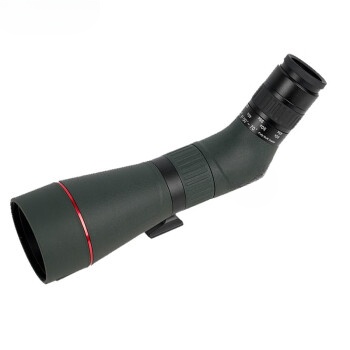
Build checks set if every item from the line hits steady work marks. This step often gets skipped by makers of low-price optics.
Cheap factories do little checks before sending out. Without full tests for sharp point or line-up proof, put-together errors go unseen until field use. So, two same models might work very differently right away. One may do okay, while the other shows bad twists from tilted glass or moved mirrors.
Weak check steps cut work life a lot. Regular re-setup becomes needed as parts loosen from shakes or heat strain. Oils dry quicker from bad stuff. Seals break early. Screws wear out easy in fix tries. All this raises long-run costs, even with low start prices.
With these common troubles in cheap spotting scopes, experts look more for trusted makers. These firms focus on exact build and tight check rules.
Hemusun Optical Instrument Co., Ltd. shines as a solid choice. It gives high-quality spotting tools made for pro tasks in areas like bird study, land measure, hunting, and tactical jobs. The firm's items stress better multi-layer lens covers. These aim for top light passage and true colors, even in tough light. Their strong body stuff offers better hit resistance. At the same time, they keep light weight for easy carry in the field. Also, Hemusun uses strict check steps all through making. This goes from getting parts to last looks. It makes sure each scope hits hard work goals that top users expect around the world.
By mixing lens advances with build strength and weather guards like full gas filling and water-tight seals, Hemusun gives steady picks. These help those upset with usual cheap spotting scope issues in other market spots.
Basic spotting scopes often fall short. They hide key cuts in five main areas: lens covers and glass type; build frame; weather toughness; mirror line-up; and make steadiness. Experts who depend on exact sight info can't take these lacks. They hit accuracy and work flow right in hard settings. Putting money in well-made tools brings not just keener pictures. It also gives steady work over years without often re-setup. Picking a known maker like Hemusun Optical Instrument Co., Ltd. brings trust through careful hand work. This is backed by tested tough rules. It makes them a top pick for pros wanting full field sight top marks.
Not necessarily. Some mid-range models offer good value. This happens when known makers use right stuff and test steps.
Look for multi-coated optics. Check solid body stuff. Test smooth focus work. See if it has gas filling. Make sure pictures stay sharp across zoom levels.
Clean often with safe lens tools. Store in dry spots. Avoid direct sun when not using. Use guard cases in travel. All these help make the life longer.