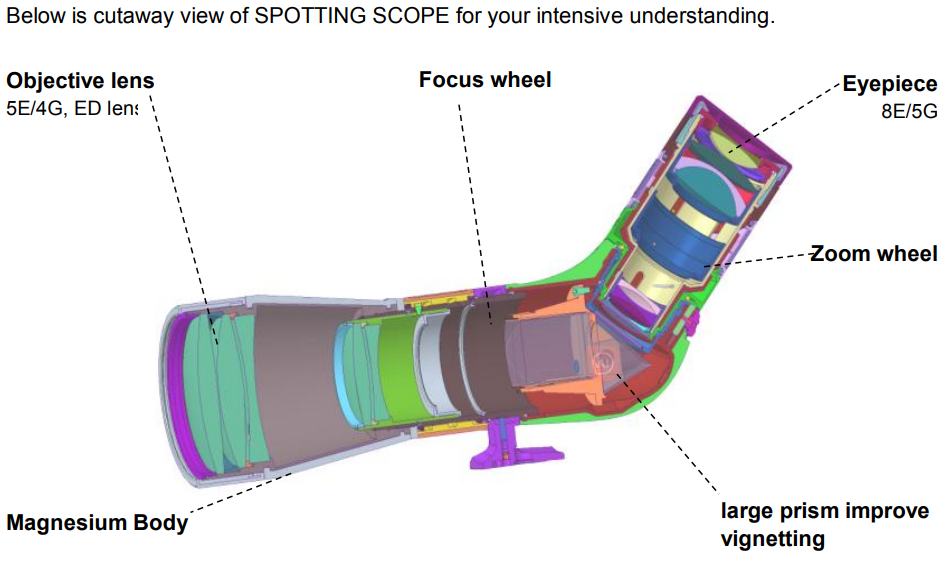
Spotting scopes give a sharp close-up view when binoculars are not enough. A procurement manager might source gear for a guiding company. A law enforcement trainer could set up equipment at a range. Or a retailer might stock up ahead of hunting season. These tools help turn far-off details into clear choices. The market for spotting scopes grows at a steady pace. Real demand drives this growth more than any hype.
Buyers now see more options than before. They look for optics that stay reliable in wet blinds. They want sharp images even at high power. And they need gear that fits bulk-order budgets. This article covers the main trends. It also looks at growth drivers and practical steps for buyers in the years ahead.
The spotting scope sector moves forward with steady strength. One report shows the overall market could grow by roughly $256.3 million from 2024 to 2029. The CAGR sits near 4.7 percent. Demand for waterproof models stands out clearly. Waterproof spotting scopes reached a value close to $631 million in 2025. They may hit about $1.125 billion by 2032. This segment shows a stronger CAGR of 8.61 percent. These figures show buyers now put more weight on gear that works well in tough weather.
Growth comes from different areas. More people spend time outdoors. Weekend birders scan shorelines. Hunters glass ridges early in the morning. Adventure travelers add wildlife viewing to their trips. E-commerce also helps. It makes it simpler to compare high-quality optics and buy in volume. This change supports B2B channels as well. Distributors and outfitters can order directly. They test products more quickly.
Key Market Drivers (2026-2032 Outlook)
These points together create steady demand. Procurement teams can plan around it with more confidence.
Business buyers look at spotting scopes in a different way than casual users. They focus on total ownership cost. They also want reliable performance across many units. After-sale support matters a great deal.
Customization and OEM/ODM Demand Many companies want scopes made to match their brand or exact needs. Suppliers with strong in-house R&D and manufacturing can change magnification ranges. They can adjust body styles, whether straight or angled. They can also add features such as integrated reticles. This flexibility lets distributors build private-label lines. It also helps outfitters match gear to client needs.
Sustainability and Durability Focus Buyers ask more about materials and repair options. They want gear that lasts for years. A solid scope that handles long field use beats one that needs early replacement. Nitrogen purging keeps the view fog-free. Strong rubber armoring also helps in daily specs.
Digital Integration Core optics stay analog for steady reliability. Some models now work with smartphone adapters. Others add basic rangefinding. B2B buyers in training or security fields value these hybrid tools. They help with documentation and data collection.
Supply Chain Considerations Recent years showed the value of spreading out sources. Procurement managers prefer suppliers with several production sites. They also want clear quality control steps. ISO-certified processes and in-house testing build trust in steady batches.
Looking ahead to 2032, moderate growth should continue. Stronger demand may appear in premium and specialized areas. Waterproof and ED-glass models will likely take a bigger share. Buyers no longer accept lower performance.
What Smart Buyers Are Doing Now
A typical hunting outfitter might equip guides with 20-60x models on tripods. These work well for client use. Birding tour companies often choose lighter and more portable options. They need gear that travels easily each day. Law enforcement or security teams may pick straight-body designs. These fit vehicle mounting needs. Matching the right tool to the workflow saves money over time.
Different jobs call for different designs.
Comparison Table: Common Specifications
Feature | Entry-Level | Mid-Range (Recommended for Most B2B) | Premium/Custom |
|---|---|---|---|
Magnification | 15-45x | 20-60x | 20-70x+ |
Objective Lens | 60-70mm | 80-100mm | 100mm+ |
Glass Type | Standard | ED Glass | ED + Advanced Coatings |
Waterproof/Fogproof | Basic | Nitrogen Purged, Fully Sealed | Enhanced Sealing |
Eye Relief | Standard | Long (for glasses wearers) | Extended |
Typical Use Cases | Casual | Guiding, Tours, Training | Professional/Heavy Duty |
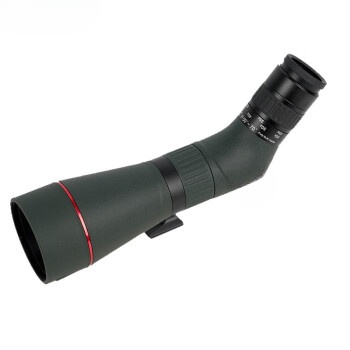
Hemusun Optical Instrument Co., Ltd. stands out as a strong supplier of high-quality optical products. The company brings deep experience in research, development, and manufacturing. It focuses on reliable and high-performing optronics. These tools suit demanding outdoor and professional work. The lineup includes spotting scopes with innovative optical designs. They also feature compact yet strong builds, long eye relief, and wide fields of view. All of this supports clear and comfortable viewing.
The company offers strong customization through OEM/ODM work. It maintains precise manufacturing and solid quality control. Hemusun serves businesses that need steady performance across many units. Its products include advanced elements such as ED glass. Thoughtful ergonomics also help. These features make the scopes practical choices for commercial buyers who need gear that holds up day after day in real conditions.
The spotting scope market brings clear chances for businesses. These companies understand the move toward durable and high-performing optics. Steady growth continues. It comes from outdoor interest and better distribution channels. This creates a good setting for informed buying. Buyers who focus on quality glass, real-world toughness, and supplier flexibility can secure useful tools. These tools improve experiences and support operations. They also deliver solid returns over time. The next few years will favor those who pick partners ready to meet both current needs and future demands.
More people enjoy outdoor activities such as birdwatching, hunting, and nature tourism. Easier access through e-commerce also keeps demand steady. Buyers want better waterproofing and clearer optics. This pushes the market toward higher-spec models.
Focus on consistent results across units. Check durability in wet or dusty conditions. Look for features like ED glass and comfortable eye relief. Test samples in actual use cases. Review the supplier’s customization options and support level.
Yes. OEM/ODM options let companies match optics to branding, workflows, or client needs. Quality stays high. This approach often improves margins and customer satisfaction.
The 20-60x range with an 80mm or larger objective gives a practical balance. It delivers detailed views without too much bulk or loss of brightness in changing light.
It is very important for B2B buyers. Reliable sealing and nitrogen purging protect against fog and water damage. This cuts replacement costs and keeps equipment ready when needed.