
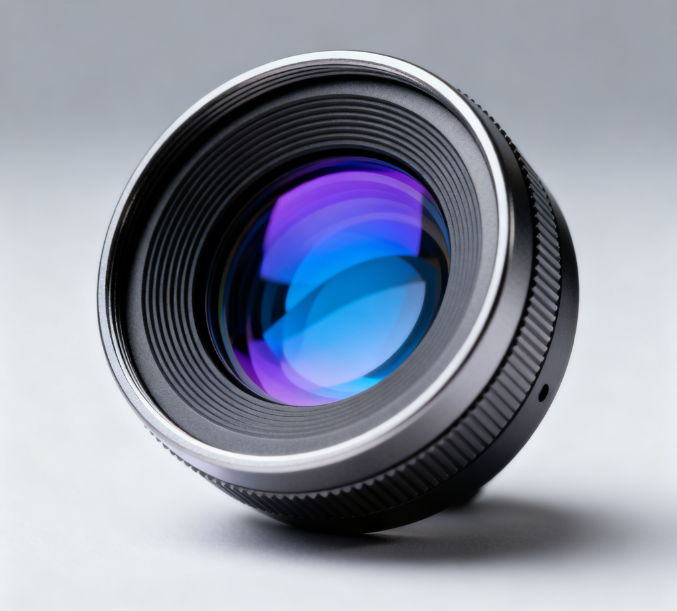
Have you ever stood there with your camera, thinking about why some pictures look amazing while others seem dull? It usually comes back to the lens. In the world of photography, picking between a prime lens and a zoom lens can change how you take photos. Primes stay at one focal length, but zooms allow quick changes. This piece looks at Prime vs Zoom Lenses to help you see which one is better for your photography style. If you shoot city streets or chase animals, the correct choice can make your pictures stand out.
Prime lenses use a set focal length. So, no zooming happens—you step closer or farther to get the frame right.
These lenses make things easy. They have less glass inside, so pictures often come out clearer. Light reaches the sensor in a straightforward way, which cuts back on fuzz or weird bends. Folks who take photos like them for dim spots. A big opening pulls in extra light, letting you snap at twilight without boosting ISO and getting grainy results.
For instance, think of face shots. A prime lens makes the back soft and blurry, so the person pops out. It's like pulling eyes right to the main part. Or consider walking around town for photos. The small size helps you stay hidden, catching real moments without notice.
Yet primes have flaws. You could lose a chance if tied to one length. Changing lenses during a shoot? That takes time and might let dust in.
If you like setups that you plan ahead, primes might work well for you. People who shoot weddings often choose them for close, personal views. The clear results help build your own look, showing others you pay attention to small things. For shops, sharp pics like these can make item shots better, pulling in more eyes on the web.
Zoom lenses give options. Turn the ring, and you go from wide views to close ones without new gear.
The main plus is how they adapt. Going on a walk in nature? One zoom handles big scenes to far-off birds. No need for a heavy bag of primes. This keeps your pack light and gets you set for surprises.
They do fine in quick situations too. At a game, pull in on the play without a pause. Or for trip pics, grab a busy spot wide, then focus on one face. The span lets you change fast, so your process flows better.
Drawbacks? Extra glass can mean edges that aren't as sharp, mainly at the ends. They may not open as much as primes, making dark areas harder. Plus, they tend to be bigger, which could wear you out on long days.
Zooms fit those who like sudden chances. Folks at parties count on them to shift views right away. If you build a name around trips or news, this quick shift shows off. Firms can use zooms for mixed stuff, like full room views or tight shows, keeping people interested.
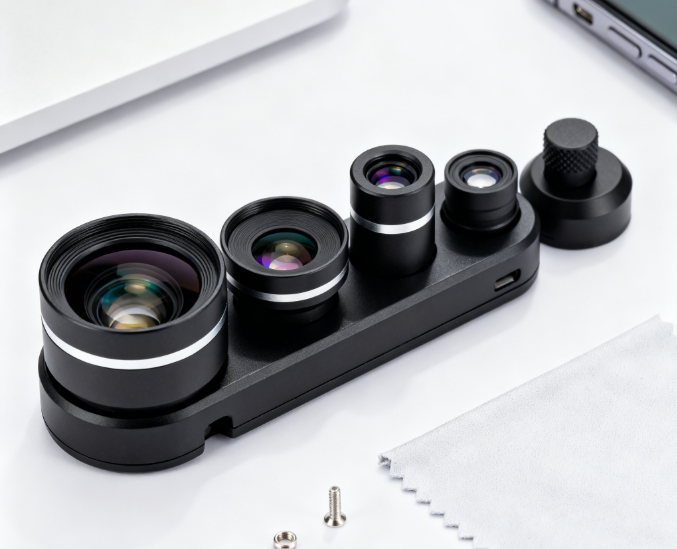
How do they compare? Let's look closer.
Primes do great with clearness and quickness. Their build reduces odd spots, giving clean outcomes. Zooms, with parts that move, might have some issues but win with ease.
Think about how heavy they are and their size. Primes feel light and easy to hide—good for daily use. Zooms bring more power but add weight.
Check this table for a fast look:
| Aspect | Prime Lenses | Zoom Lenses |
|---|---|---|
| Sharpness | Often better from a simple setup | Decent, but changes over the span |
| Aperture | Bigger choices for dim light | Smaller, may need more light |
| Flexibility | Stuck—need to walk around | Changes—frame without moving |
| Size/Weight | Small and easy to carry | Larger, tougher to haul |
| Cost | Cheap for basic ones | Cost more for good spans |
This helps you think about what counts most in your photography style.
Imagine a nature outing. A zoom lets you get big areas, then close on a hill top. But with a prime, you stick to one view and build around it. So, you try new ways.
In a room with lights? Primes work best under control. Out in open spots? Zooms keep you quick.
What you like guides the pick. Fond of face shots? Primes soften backs nicely, adding a skilled feel. It grows your name as one who catches feelings.
Here, steady results matter. A prime's fixed sight helps you get good at framing. Set lights, place the person, and shoot. What do you get? Clean pics that improve your collection.
Open scenes need zooms. Change to add front parts or pick out far things. Folks on the road like not switching in dirty places.
This keeps your work new, bringing in fans who see you as lively.
Staying low-key counts. Primes are tiny, so you slip by unseen. But if things change fast, a zoom's span helps without eyes on you.
Consider your speed. Slow and careful? Prime. Fast and ready? Zoom.
Groups and moves need options. Zooms let you switch from all-together pics to close bits in a flash. Fans of games pull in on key parts, grabbing the fun.
Making a job around gatherings? Solid tools like this tell clients you're ready. And that builds faith.
No matter the choice, some ways help more.
Wipe your glass often. Dirt ruins clearness.
Work with your gear. Try the same spot both ways to spot changes.
Blend them. Lots of skilled folks have both—prime for quality, zoom for speed.
Put money in good ones. Strong make lasts more and cuts problems.
These moves sharpen your skills. So, your photography style gets noticed. For names, steady good pics bring more views and buys.
As a solid lenses supplier, Hemusun Optical Instrument Co., Ltd. works on making top optical items. From China, they do design to making, with choices you can change for what you need. Their group has things like wide views, long reach, and close-up lenses, great for phone or camera adds. They stick to exact work and new ideas, helping those who shoot pics to improve tools. Get in touch by email at support@hemusun.com or call +8618224497485 for questions.
To sum up, the talk on Prime vs Zoom Lenses comes down to your photography style. Primes give top clearness and ease for thought-out shots. Zooms add options for quick times. Consider your topics, places, and aims. The top pick hones your sight and boosts your name, for you or work. Try things, and find what works.
Prime lenses stick to one focal length. They give sharp pics with big openings, good for low light. Zoom lenses change their span. This offers ease without new tools. So, zooms help in mixed spots, but primes often beat on clearness.
It ties to how you work. Like set, detailed stuff like faces? Pick prime. For lively ways like trips or parties, zoom changes better. You catch without skips.
Primes usually give cleaner outcomes from less parts. This cuts weird bends. Zooms may have soft spots at tips but shine in ease. They fit styles where quick beats perfect.
Yes. Many who shoot pics use both. Primes for control in ideas, zooms for fast shifts. This mix widens your photography style. It covers extra areas.
Seek firms like Hemusun that focus on optical lenses. They give choices you can tweak to fit needs. This ensures tools that match your style well.