

Optical measuring instruments need a named output before comparison. A distance task needs a point and unit. Inspection begins with the feature to be seen and the decision it informs. Put that in the first line sent to a supplier.
The description points to a product family. For distance, discuss a rangefinder. For a small object, examine microscope and magnifier formats. The table below is a filter; access, distance and viewing position decide which format is worth testing.
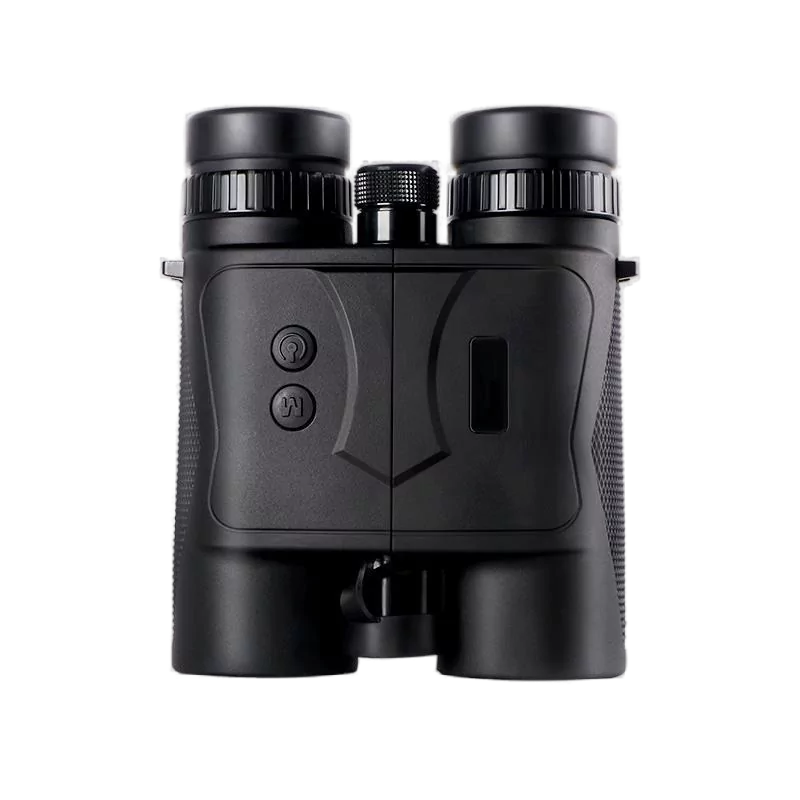
Mark the target before discussing the instrument. “Distance to a machine” could mean its front surface, its far edge, or a point inside it. Note the working distance, including the nearest and farthest cases. If the target moves, describe what changes while a reading is made.
Before passing a trial sheet to someone else, label each distance with its unit, target point and instrument position. For a visual check, record the feature and the decision it supported. Put the target and light beside the result. This is more useful than a page of bare values: the next operator can repeat the check, and a supplier can see which condition caused trouble.
An operator may read a distance to a marked point at the site, or inspect a shape that has no reported dimension. Both use optics, but the recorded result differs. If a reading will guide acceptance of a part, include the reference used for that specific decision. Seeing a feature clearly may still leave its actual dimensions unknown. State the required output: distance, magnified view, or a visual check by an operator.
| Task | Product family to discuss | First question |
| Estimate distance to a remote target | Rangefinder | What target and working distance must be covered? |
| Examine a feature | Microscope | What detail must the operator distinguish? |
| View a feature with added magnification | Magnifier | How will the user hold the tool and object? |
The table routes an inquiry. A sample request needs the working position and the operator’s reach at the site. A format suited to a remote target may be awkward for a close feature.
Before comparing specifications, sketch the target and working position. The drawing may show a blocked sightline, unreachable control or posture the operator cannot maintain on site. Check those constraints during a sample trial. The sketch may show where an instrument needs support or a different operator position in use at the site.
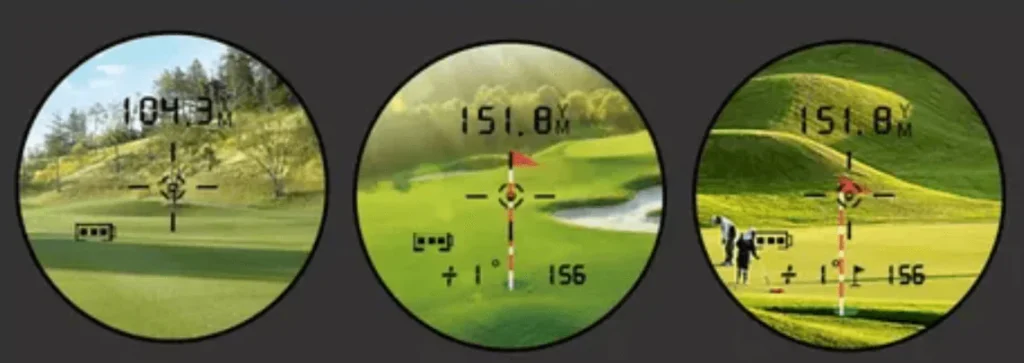
Access sets a boundary for any optical format. Draw a line from the instrument to the target; mark obstructions. Can the object be moved? Is there room for a support or light? A distant target may force the operator to change position instead. Those answers decide whether a sample trial at a convenient bench represents the work.
Then describe movement. Does the target remain in place long enough for the operator to settle focus and note a result? If it moves, what changes: its position, its orientation, or the operator’s position? A sample trial should reproduce the part of that movement that matters. A static bench demonstration cannot answer every question about a task performed on foot.
Have the operator handle the sample in workwear. Check whether gloves change control use or eyewear changes the viewing position. Where another person holds the object, include that step in the trial. Record who does each step and whether the instrument can be supported. These details belong beside the target description so the proposed format can be judged in the work routine.
A bench may offer fixed support and lighting. In the field, the operator may control neither. Write down which conditions can be held steady during a trial and which will vary in use. A sample that works in a convenient demonstration may leave the buyer’s question unanswered.
For a sample trial, pick a representative target and record the expected viewing position. Keep the target and lighting steady while each instrument is compared. Note whether the operator can find the target, focus, read the display or inspect the image, then repeat the task without an unexpected change in setup.
Write down observations during the trial. Keep them tied to the stated conditions. Repeat the task. Note trouble with focus, stability, controls or access. Describe any reference comparison. Record conditions before comparing each sample.
A short intake form can cover:
Draw the target from the operator’s normal position. Label the point whose distance matters, or circle the feature that must be seen. Include what can move and what remains fixed. The sketch gives a sample trial a relevant setting. Also note who holds the object and whether that person can stay in position throughout a trial.
Before asking for a quote, request a physical sample for the stated distance. Give the operator’s normal position, the unit needed for the reading, and support available on site. If a component needs alteration, specify the part that cannot change.
Send the application, target, distance, routine, output, quantity and integration limits together. Judge a proposal against those details. Without the working position, a proposed format cannot be assessed for access at the site.
| Brief field | Example of useful detail |
| Application | What the operator is trying to measure or inspect |
| Target | Surface, size class, contrast, and movement |
| Working conditions | Distance, light, mounting, access, and posture |
| Output | Unit, display or view, and how the result is recorded |
| Evaluation | Target sample, operator, sequence, and acceptance notes |
The brief benefits from one sentence describing what would make the trial useful. The optical measuring instrument lineup is broad so describe the job before naming a format. Record it first.
Hemusun Optical Instrument Co., Ltd. researches, develops, manufactures, and sells optical instruments. Its lineup includes rangefinders, microscopes, and magnifiers; OEM, ODM, wholesale, and retail services are also available. A buyer comparing optical product families can send the target, typical working distance, and required result to Hemusun. That gives the company a defined task against which to discuss an available product format or physical sample.
Shortlist optical measuring instruments by required output. A distance reading needs a named point and unit; visual inspection needs a feature the operator can identify. Distance and access limit placement. Carry those details into a trial so its result answers the question.
A consistent sample trial makes comparisons clearer while a specific brief gives each proposal the conditions to answer. For a measuring instrument the useful next question is whether its format and available evidence match the work rather than which specification has the largest number.
The distinction between a reading and a view shapes the questions below.
The term covers distance readings and close inspection. For purchasing, name the result, target and position before discussing an instrument category with a supplier.
Name the target and say whether the operator needs a distance reading or a visible feature. Note working distance and the operator’s viewing position. Compare samples there.
Send a marked sketch of target and instrument positions. Add the unit or feature, site lighting limits, and recording method. State what a relevant sample should show in use.