
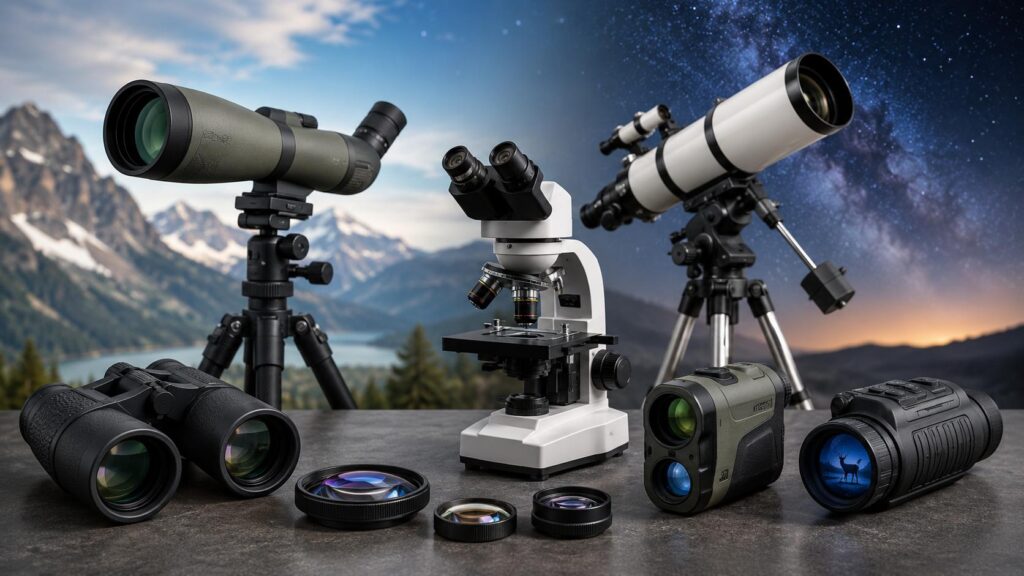
Optical tools make people see further away. They are used to examine minute detail. They help in the measurement of distances. Their use is done in areas where bare eye fails. They include basic binoculars to sophisticated tools. People use them in laboratory settings, industrial, astronomical work and in outdoor observations.
Greater power does not imply superior tooling. Brightness matters a lot. Clarity of detail is also crucial. This will be determined by the angle of view, the lens treatment, quality of camera, stability of the tool and the place of use.
Optical instruments gather light. They guide it, make it bigger, record it, or study it. Some create a larger picture for the eye. Others turn light into an electronic signal. Some use a laser to measure how far something sits.
Most optical systems mix these main parts:
A simple magnifier may use just one lens. Binoculars, microscopes, and telescopes use groups of lenses or mirrors. Digital products add sensors, light sources, processors, and software.
The appropriate instrument is dependent upon the distance of the object and also the light that is available and the detail needed. The following categories will address the most common applications.
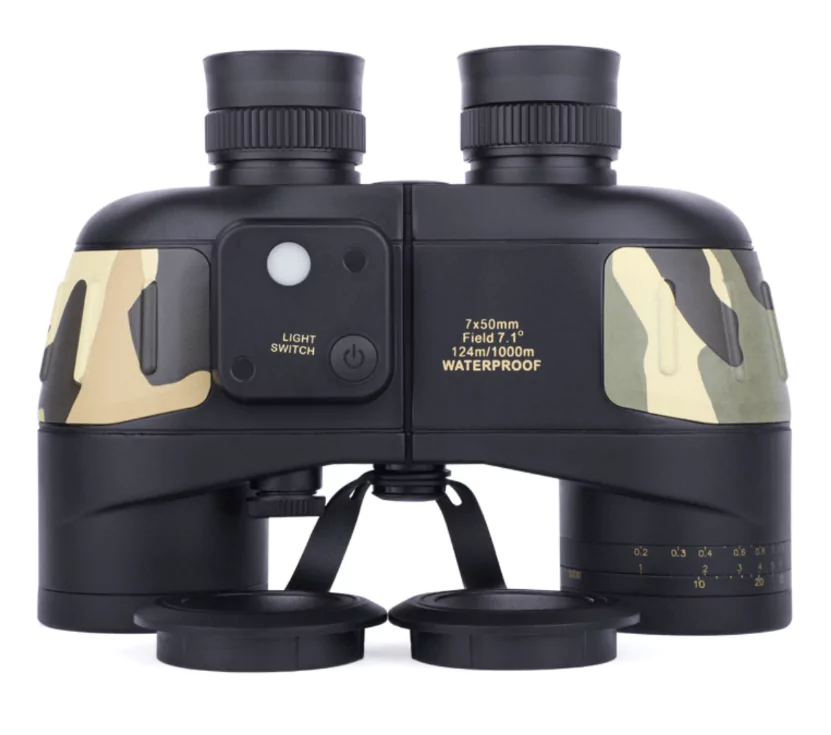
Binoculars put two small telescopes side by side. Both eyes look at the same distant subject. This gives a natural sense of depth. Long watching feels more comfortable than using one eyepiece.
The numbers on binoculars show power and lens size. An 8×42 pair makes the subject look eight times closer. It has 42 mm front lenses. Divide 42 by 8 and you get a 5.25 mm exit pupil. That number helps judge brightness in dim light.
Professional binoculars serve birdwatching, hiking, marine observation, sports, and wildlife surveys. Bird watching binoculars often favor a wide field of view and fast focus. Outdoor binoculars benefit from waterproof construction, fog resistance, and a secure grip.
A monocular allows a magnified view via a single optical system. It is also used sometimes as a phone telephoto or macro lens.
Spotting scopes allow more power of usually 15 to 45x and 20 to 60x. They perform well on a tripod. It helps people in observing birds, research or inspecting distant objects.
| Instrument | Best suited to | Key buying factor |
| Binoculars | Moving subjects and handheld viewing | Field of view and comfort |
| Monoculars | Lightweight, quick observation | Portability and close focus |
| Spotting scopes | Fine detail at long range | Magnification and stability |
| Telescopes | Night-sky observation | Aperture and mount quality |
A laser rangefinder mixes viewing optics with a distance tool. It sends a short laser pulse toward a target. It catches the reflected signal. Then it works out the distance from the return time.
Golfers employ the rangefinder to measure distances from their position to the pin or any obstacles. These tools are also employed by construction workers, foresters, and other inspection groups when measuring distances on-site. Good aspects are angle measurement and continuous scan capabilities.
Maximum range tells only part of the story. How well the target reflects light, rain, repeat accuracy, and how easy the display is to read all affect results. OEM optical products may also need modules with USB, TTL, RS232, RS485, or Bluetooth links.
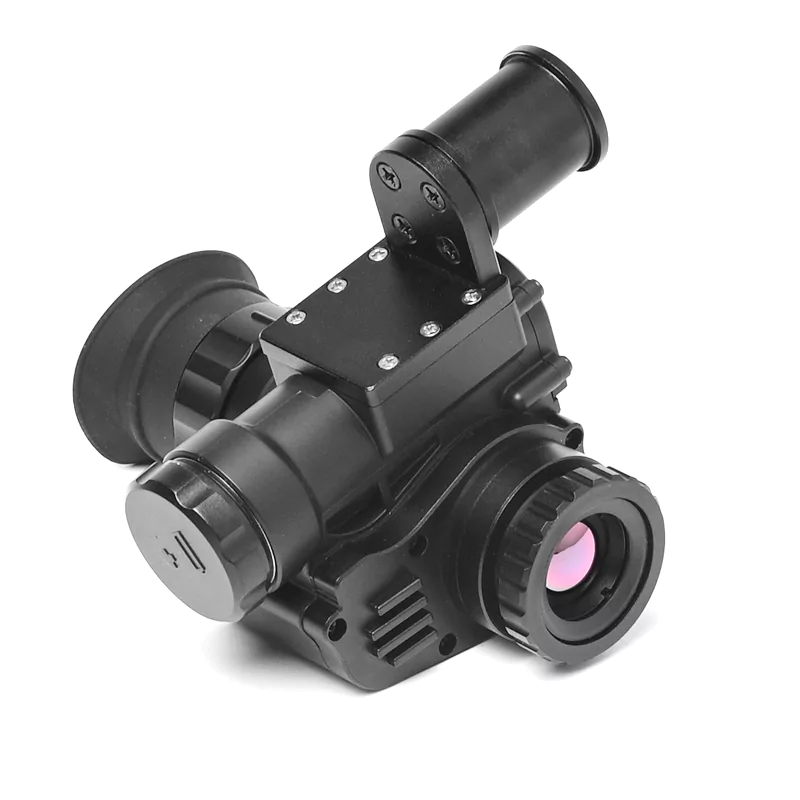
A digital night vision device uses a front lens, a sensitive image sensor, electronic processing, and a screen. An infrared light source can add light that the sensor picks up when the scene looks dark.
Infrared night vision gear supports wildlife watching, night travel, search work, and security rounds. Thermal devices sense temperature differences instead of reflected light. They help warm subjects stand out in the dark.
Check sensor detail, infrared reach, battery life, weather protection, and how the device mounts. Digital zoom cannot bring back detail the sensor never caught.
Microscopes make subjects larger when they are too small for direct view. A laboratory microscope may serve biological samples. An inspection microscope can show solder joints, scratches, fibers, coatings, and small mechanical faults.
Power alone does not set microscope quality. Clear detail, working space, lighting, depth of focus, and lens quality often matter more. Electronics checks need room to move tools under the lens. Digital microscopes can also take pictures, video, and measures.
An astronomical telescope collects light from distant objects. It forms a picture at the eyepiece or sensor. Aperture—the size of the main lens or mirror—usually counts more than very high claimed power. A larger aperture gathers more light and can show fainter objects.
Refracting telescopes use lenses. Reflecting telescopes use mirrors. Beginners also need a steady mount. For moon watching, school demos, and casual star gazing, easy setup often matters more than top power.
The same optical technology can solve very different problems. It can improve binocular contrast. It can also protect an industrial imaging system.
Common applications include:
For a business buyer, batch consistency may count as much as peak performance. Drawings, tolerances, coatings, assembly controls, and inspection records should be agreed before production starts.
Start with the task rather than the product name. What must you see or measure? At what distance? Will the device work in daylight, dusk, darkness, dust, rain, or a controlled indoor space?
A practical selection process covers five points:
This avoids too much power, weak support, and digital devices that list many features but deliver poor sensor performance.
Hemusun Optical Instrument Co., Ltd. is an optical instrument maker and high-quality optical products supplier. It serves outdoor watching, measurement, imaging, and industrial uses. Its range includes binoculars, monoculars, spotting scopes, telescopes, rangefinders, night vision devices, microscopes, magnifiers, mobile lenses, filters, optical components, and laser measurement modules.
The company provides OEM, ODM, wholesale, retail, and custom optical products. Optical processing includes grinding, polishing, centering, coating, cementing, blacking, cleaning, and assembly. Production control uses interferometric and spectrophotometric checks. Custom work can run from a single part to a full lens assembly.
This supports both standard buying and application-specific development through one optical products supplier.
Optical instruments are built for distinct jobs. Binoculars favor comfortable mobile viewing. Spotting scopes show distant detail. Rangefinders measure. Night vision devices extend visibility. Microscopes inspect small structures. Telescopes gather light from the night sky.
The right choice matches optical performance to real working conditions. Clear detail, brightness, field of view, mechanical design, weather protection, and supplier ability matter beyond the specification sheet.
There are many types of optical instruments that include binoculars, monoculars, spotting scope, telescope, microscope, magnifying glass, range finder, night vision goggles, camera, and optical analyzer.
Night vision forms a picture from available or infrared light. Thermal imaging detects heat differences. Night vision usually shows more visible scene detail. Thermal equipment can reveal warm subjects in darkness.
It is important that the company considers the design capabilities, manufacturing process, quality assurance, coating options, environmental tests, customization, consistency in batches, lead time, and after-sales services.
Yes. Optical equipment can be designed customizing it according to the industry need which might include specialized lenses, windows, filters, coating, housing, laser measurement systems or entire optical assemblies based on the machine.