
Request
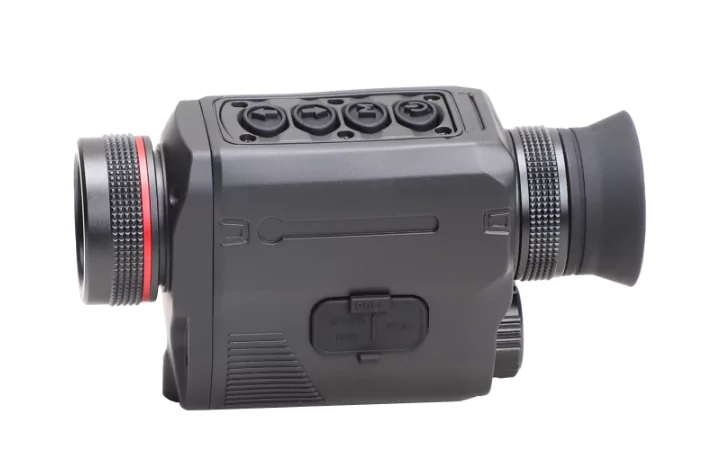
Buying night vision devices for a business market comes with three questions that decide the deal before the price is even discussed: what is legal in the target market, which technology fits the use case, and can the supplier deliver at volume. This guide covers all three from the buyer's side: compliance basics for night vision devices, a plain-English split between digital and thermal, the specifications that separate a demo unit from a production unit, and how to structure an OEM or ODM program with a dedicated optics manufacturer.
The first check is legal status in the destination market. In most markets, night vision devices are civilian equipment used for hunting, security, outdoor recreation, and search and rescue. But the rules are not uniform: they vary by country, by region, by season, and by the species involved. Rules around the use of IR illumination in hunting, the transport of night vision across state or regional borders, and the categories of game covered by hunting regulations all differ from one market to another.
The practical habit for a distributor: build a per-market checklist. Confirm which game, which seasons, and which IR illuminator settings are permitted in each destination market. Then ask the supplier for documentation that supports the claim: CE certificate and product documentation for the EU market, plus any market-specific test reports you need for customs. Finally, educate the end customer, because responsibility for compliant use sits with the user, not the manufacturer. Selling into a regulated market without this step is the most common way a night vision program goes wrong.
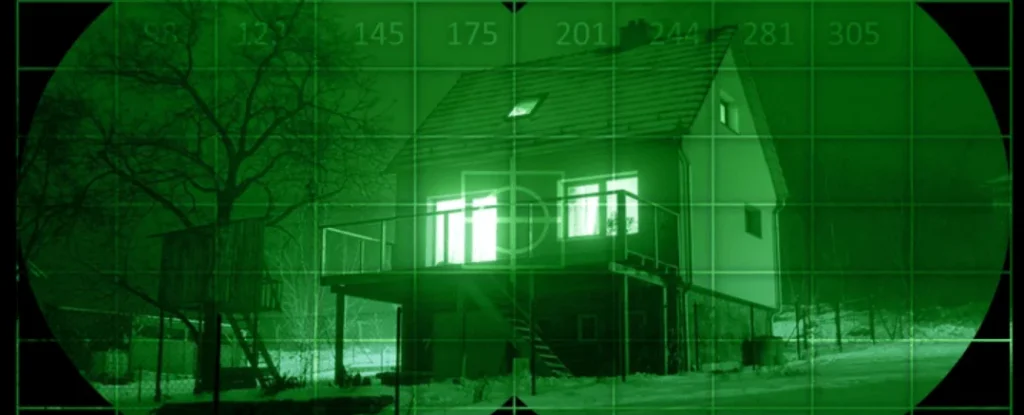
Digital night vision is an electronic system: a sensor captures light, a processor amplifies it, and a display renders the image. In darkness it relies on IR illumination, usually a built-in illuminator. Digital units are lower in price, and they perform well in low light that still carries some ambient signal: dusk, moonlight, or a lit perimeter.
The head-mounted NVG50 from Hemusun is a concrete example of the digital class, with day and night operation, 1x optical plus 4x digital magnification, and a wide 40 degree field of view; the full spec sheet is on the NVG50 product page.
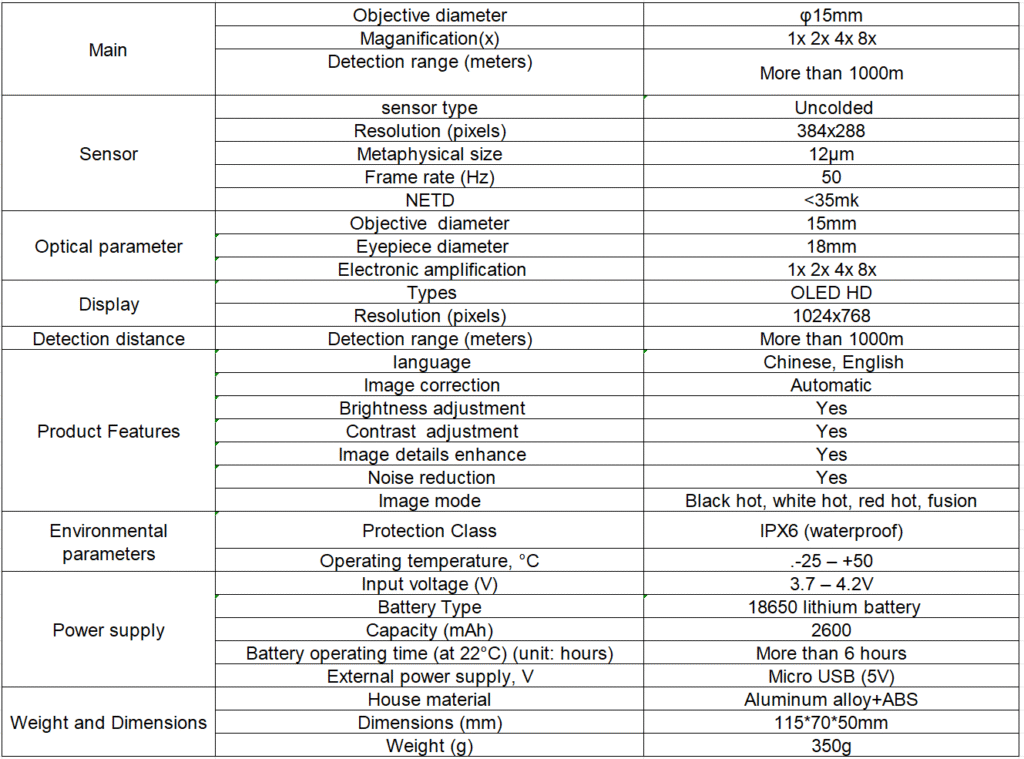
Thermal imaging reads the heat that objects emit, so it works in total darkness, in rain and fog, and without any illumination. Its limits are different: resolution and fine detail are lower than optical digital at close range, and the price point is higher. Hemusun's BTI-10 is a head-mounted thermal monocular in the budget class, with a lithium battery that runs more than four hours on a single charge. The full range, from digital goggle systems to thermal monoculars, is listed on the official site: see the night vision devices category page.
Browse the night vision devices category on the official site, which covers both the digital goggle line and the thermal monocular line for side-by-side comparison.
Once the technology route is chosen, four specification groups decide whether a unit holds up in real use:
Field of view and display: a wider field of view means a shorter search time. On the NVG50, the 40 degree figure is the anchor number to verify against the data sheet. Magnification: optical versus digital. The NVG50 pairs 1x optical with 4x digital, which keeps the image clean at the base magnification and extends reach without a second unit. Battery: the BTI-10 is rated for more than four hours on a full charge; for any program, verify the figure against the actual duty cycle, not the lab test. Mounting: helmet, handheld, or fixed. Helmet mounting changes the weight budget and the battery placement, which is why the same sensor platform can ship in two or more form factors.
For each of these, the data sheet is the contract. Before a volume order, request the full specification sheet for the exact unit and revision you are buying, and match the figures line by line.
One practical note on field of view: a wider view is not just comfort, it is search efficiency. A unit with a broader view covers more ground per sweep, which shortens the time an operator spends scanning a perimeter or a hunting field at dusk. When comparing two otherwise similar thermal monoculars, the one with the wider verified field of view usually delivers more usable minutes per battery, because the operator is finding and tracking targets faster rather than hunting for them. Treat the field of view figure as a verified spec, not a marketing round number, and ask for the data sheet that backs it.
Hemusun is a dedicated optical instruments manufacturer covering research, development, manufacturing and sales, with OEM, ODM and custom design services. The company holds ISO and CE certificates together with a software copyright patent, an independent appearance patent, and a utility model patent. Production runs through optical processing and coating, with inspection and testing at each stage, backed by warranty, repair and technical support after delivery. See the company profile on the official site:
about Hemusun Optronics, for the R&D, manufacturing and after-sales setup in detail.
Payment terms include T/T, L/C, D/P, D/A, credit card, PayPal and Western Union. MOQ varies by product; please contact us for details for your specific configuration. For a night vision program, the typical sequence works well: define the target market and use case, run the compliance checklist, agree the exact specification from the data sheet, order a sample run, verify it against the data sheet line by line, and then move to volume.
A night vision devices program for business is a compliance, specification, and supply chain problem before it is a product problem. Run the per-market compliance checklist first, pin the technology route to the use case, verify the data sheet line by line, and start with a sample run before volume. Handled that way, night vision is a stable civilian product line with clear after-sales support and realistic margins for the distributor.
For compliance documentation, data sheets, and OEM quotes on night vision devices, contact the Hemusun team at support@hemusun.com, or by WeChat and WhatsApp.
Legality varies by market, season, and the species involved, including the rules around IR illumination. Check the hunting regulations of the specific region before any purchase, and treat the per-market checklist as a standard part of the sourcing process.
Digital for low-light work with ambient signal and a lower budget; thermal for total darkness and all-weather operation. In many distributor lines the two are complementary, and the same OEM program can cover both form factors.
Against the actual duty cycle, not the lab test. The BTI-10 is rated for more than four hours on a full charge; confirm the test conditions in the data sheet and match them to the real operating profile before you commit to volume.
OEM and ODM programs on both the digital goggle line and the thermal monocular line: configuration, enclosure, and documentation adapted to the buyer's market, with the CE certificate and product documentation to support customs. MOQ varies by product; contact us for details.