
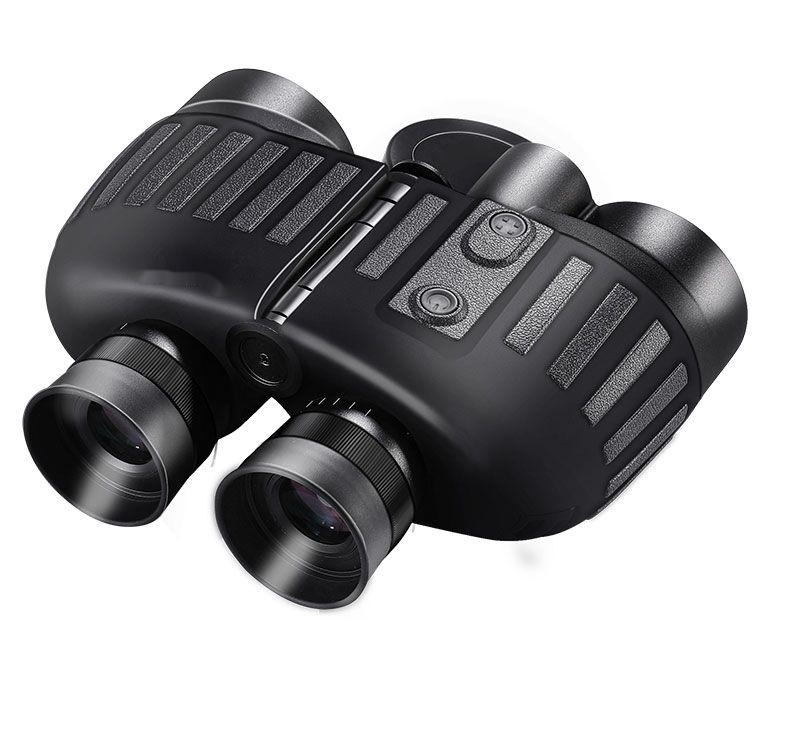
Picture the actual stop: a trail junction, the back row of a stadium, a windy pier, or the far end of a loading yard. The useful optic comes to the eye quickly, stays pleasant during the watch, and does not become dead weight halfway through the day. Browse optical product options and prepare a clear brief for a supplier.
The right choice becomes clearer when the next decision is tied to a real viewing condition rather than a single headline specification.

Set the two formats beside the job before comparing their labels. A single tube leaves one hand free and the uncovered eye still sees what is happening nearby. Two barrels occupy both eyes. For many viewers, that feels settled during a patient watch. Neither format wins every situation.
A moving subject changes the decision. A bird leaving a branch is often easier to catch with binoculars, especially against broken foliage. For a platform sign or a ridge across the valley, a monocular can come out, answer the question, and disappear into a small pocket.
The right choice becomes clearer when the next decision is tied to a real viewing condition rather than a single headline specification.
Field width is shaped by power, the eyepiece, and where the eye sits behind it. On a slow sweep, binoculars spare the brain from balancing one magnified image against an uncovered eye. The useful test is the time needed to find and follow the subject.
Balance first. Then check the hinge, focus wheel, eyecups, and any pressure on the brow or nose. A pocket monocular barely loads the strap. The tradeoff is that a long one-eye session can become tiring.
| Buying factor | What to check | Why it matters |
| Field of view | Target acquisition and edge visibility | A wider usable view helps scanning and movement |
| Stability | Handheld shake and recovery after focus | Detail is useful only when the image stays calm |
| Handling | Grip, controls, carrying method | A practical tool is more likely to be used |
The right choice becomes clearer when the next decision is tied to a real viewing condition rather than a single headline specification.
When to use a monocular is often answered by carrying conditions. A small instrument suits a walk, event, or route check where the optic is used for short intervals. It also works when one hand must remain free for a map, rail, or camera.
When to choose binoculars becomes clearer when several people share the view. Adjustable spacing, a central focus wheel, and a stable two-eye image can make handoff easier. A supplier brief should describe users, viewing distance, light, and holding time.
A useful short list for a buyer:
The right choice becomes clearer when the next decision is tied to a real viewing condition rather than a single headline specification.
A short test reveals more than a specification list. Find a fixed target, follow a moving target, refocus from near to far, and repeat the process after lowering the instrument. Note acquisition speed, edge clarity, shake, and hand fatigue.
For portable observation equipment, ask about optical format, magnification, field of view, focus control, eye relief, grip, carrying method, and available samples. The request should describe the job rather than ask for a vague promise of distance.
A specification sheet is useful once the viewing job is clear. Magnification tells how large the subject appears, but it does not describe how easily the subject enters the view. Objective size affects light gathering and physical bulk at the same time. Field of view deserves attention whenever the subject moves or the observer must scan a broad area. Close focus matters for insects, labels, exhibits, and nearby architectural details. Glasses wearers should check whether the full edge remains visible without pushing the frames inward.
Place both instruments on the same table and use the same targets. Begin with a sign or fixed object, then follow a person walking across the scene. Repeat the route near dusk; the result may change. Cold fingers, a moving target, and a sudden focus change expose differences that a catalog cannot show. Repeat the check after carrying each optic for twenty minutes. Weight distribution often matters more than the number printed in a catalog.
One user reaches for pocket speed. Another gladly carries more for an easier two-eye watch. Hinge range, eyecup position, hand size, and focus direction can change that judgment. If several people will share the instrument, ask each person to find the target and adjust focus without coaching. Note where the process slows down. That short exercise gives a supplier a clearer requirement than a request for the strongest or smallest option.
A concise purchase brief prevents specification shopping from drifting away from the actual job. State the typical target, nearest and farthest viewing distance, available light, length of each session, and whether the user will stand still or move. Add the preferred carrying method and any limit on packed size. For team use, include interpupillary range and the need for fast adjustment between observers. For one-handed work, describe what the other hand must do.
Ask for field of view at a stated distance, close-focus distance, eye-relief information, focus arrangement, and the weight of the complete carried setup. Request clear information about included caps, straps, cases, and tripod support when relevant.

Before approving a sample, close the case and carry it as it would be carried outside. Open it, find the target, adjust focus, and put it away again. That full sequence catches awkward caps, straps, hinges, and controls. Repeat it with gloves if cold weather is part of the job. A small
Hemusun Optical Instrument Co., Ltd. develops, manufactures, and supplies optical instruments for commercial buyers and practical viewing applications. The available range covers binocular and monocular formats, supported by OEM, ODM, wholesale, and retail services. A clear application brief helps connect the viewing task with a suitable optical configuration and sample discussion. Contact the optical team when a project needs a tailored specification.
Choose after naming the subject, distance, light, carry method, and minutes spent at the eyepiece. Use one subject for both. Note how fast it appears, what detail survives, how steady the view feels, and which optic is still comfortable later.
A few practical questions often remain after the selection criteria are clear.
Start with the target, distance, light, movement, and carrying conditions. Those details determine which optical tradeoffs deserve the most attention.
No. More apparent scale can narrow the field, reduce brightness, and make hand movement more visible. Useful detail and stable handling matter more than the largest label.
Describe the target, viewing distance, light, support, operating time, user controls, and carrying limit. A specific brief makes sample evaluation clearer.
Find a fixed target, follow a moving target, refocus from near to far, and repeat after lowering the instrument. Record acquisition, detail, steadiness, and comfort.