
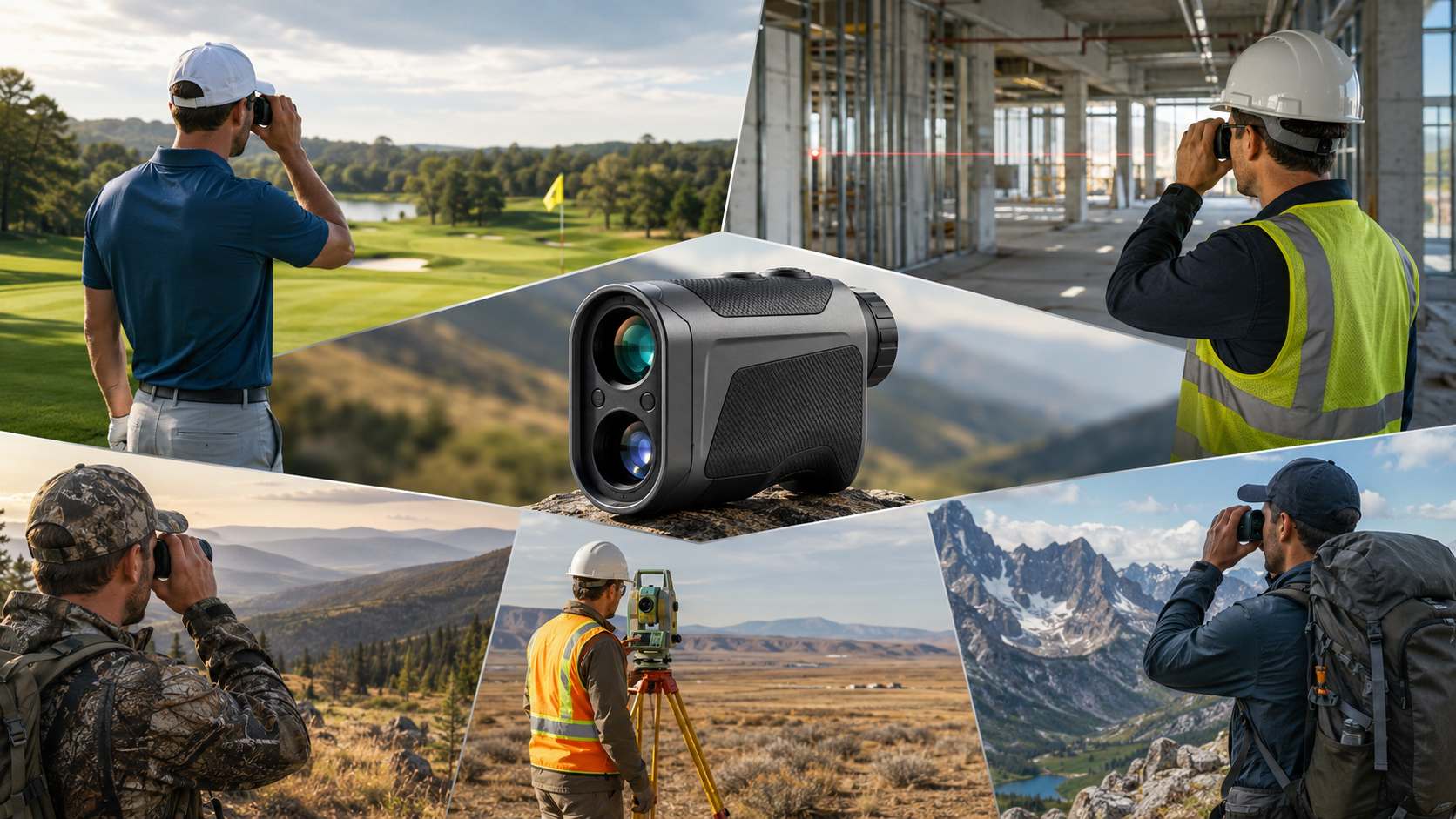
A laser rangefinder has turned into a key tool for measuring distance in many work and outdoor settings. It uses careful laser technology to figure out how far something is from the device. The reading comes fast and stays very close to the true distance. Golfers use it to check how far the flag sits. Engineers rely on it to size up building sites. Outdoor fans carry it when they explore rough ground. In each case the device offers a clear and handy way to measure distance today.
Older ways of measuring often take more time and leave room for mistakes. Modern laser rangefinders work quicker. They give better accuracy and fit easily in a bag or pocket. Their use keeps growing in sports, building work, land checks, hunting, and outdoor trips.
A laser rangefinder is a tool that sends out a laser beam to find the distance to a target. It fires a short laser pulse toward an object. Then it times how long the light takes to bounce back. From that time the device works out the exact distance and shows the number on its screen.
Today’s laser distance tools mix lenses, sensors, and smart circuits. A solid laser rangefinder usually holds these parts:
These pieces work as a team. They deliver quick and steady results. Manual tools can fail when the ground is uneven, the span is long, or the view is blocked. A laser rangefinder cuts those errors. That makes it useful for both skilled workers and everyday outdoor users.
People in many fields like laser rangefinder tools for the same basic reasons. They need accurate numbers, simple controls, and gear that keeps working. A good professional laser rangefinder brings these gains:
| Advantage | Application Value |
| High measurement accuracy | Gives users solid distance numbers they can trust |
| Fast operation | Cuts the time spent measuring in the field |
| Portable design | Fits outdoor and on-the-move jobs |
| Digital measurement display | Lowers the chance of reading mistakes |
| Multi-function capability | Handles different work settings |
These strong points help golf players, building crews, surveyors, hunters, and outdoor explorers alike.
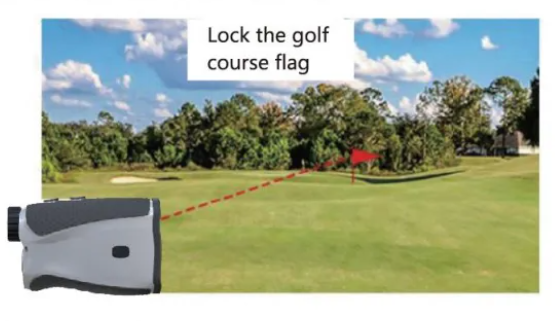
Img.Laser Rangefinder Applications in Golf.webp
Golf is one of the top places where laser rangefinders show up. Knowing the exact distance shapes club choice, shot plans, and the whole game plan.
A laser rangefinder for golf lets players check the span to key spots such as:
Guessing by eye leaves room for error. With clear numbers in hand, golfers pick better shots. Many golf models also add slope reading and angle math. Those extras show how the land rises or drops. Players then judge distance more wisely on hilly courses.
Both top players and new ones gain from a golf distance measuring device. Pros get tight data that sharpens their practice and play. Beginners feel less unsure and learn to control distance faster. A small laser rangefinder slips into a pocket or bag. It adds almost no weight yet stays ready whenever needed.
Building jobs call for exact numbers from the first plan through the final check. Old tape measures struggle with big rooms, tall walls, or twisted layouts.
A laser rangefinder for construction handles tasks like:
Builders and engineers finish many of these jobs alone and in far less time. The tool speeds the whole process.
Crews want gear that is light and tough. A digital laser distance meter shows the answer at once. It cuts the need for extra helpers or long tapes. In remodel work, architecture, and factory installs, clean distance numbers keep the flow smooth. Wrong measures no longer force costly rework.
Wild places bring long spans, rough ground, and shifting weather. A laser rangefinder for hunting shows the true distance to a target area.
Hunters check:
A long range laser rangefinder with angle help works well on slopes and hills. It gives the real horizontal distance so the shot plan stays solid.
A good hunting rangefinder needs:
The same traits help with wildlife watching, nature walks, and outdoor photos. Users stay light on their feet yet still get reliable numbers.
Survey work demands numbers that stay the same each time. A surveying laser rangefinder gathers those numbers fast across many sites.
Surveyors turn to laser distance tools for:
Hard-to-reach spots become easier to measure. The gear saves steps and time compared with older methods.
Clear lenses matter a lot. They help the user lock onto the right target even when light is low or the span is long. Top optical gear pairs careful build quality with smart lens design. That mix keeps both the view and the reading steady.
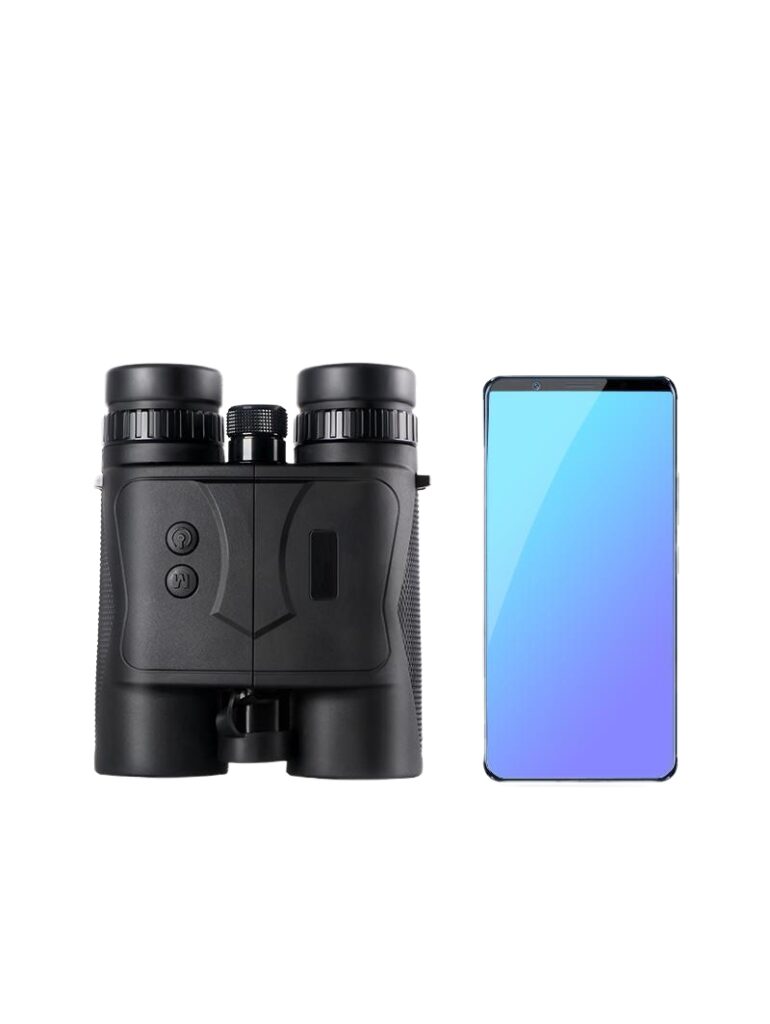
Img.905nm laser rangefinder.webp
Explorers need tools that are light, tough, and simple. An outdoor laser rangefinder helps hikers, adventurers, and photographers judge distances in the wild.
Outdoor users measure for:
Small optical devices fit these needs well. They stay compact yet still give a sharp view. Some models add phone photo links and steady viewing. Anti-shake designs cut the blur from hand shake. That helps with bird watching, event viewing, and search work.
The best distance tool matches the job. Users should weigh range, lens quality, size, and extra features.
| Application | Important Features |
| Golf | Slope measurement, fast target recognition |
| Construction | Accurate distance calculation, simple operation |
| Hunting | Long-range measurement, angle compensation |
| Surveying | Precision measurement, reliable optical performance |
| Outdoor exploration | Lightweight design, durability |
Before buying, think about:
Pick the model that fits the real work, not just the biggest numbers on the box.
Hemusun Optical Instrument Co., Ltd. focuses on research, design, making, and selling of optical tools. The company aims to give high-quality optical products that perform well for users in many fields.
With strong research teams, Hemusun keeps testing new optical ideas, materials, and build methods. The goal is better product strength and steady results. Advanced plants and careful steps guide every stage of production. Strict checks run from start to finish so each unit meets the same high mark. Products serve science labs, factories, nature watches, optical parts, and other skilled areas.
Hemusun also cares about clear views, fresh designs, solid build quality, and help for customers. The firm offers custom solutions, technical tips, and after-sale support to match what each buyer needs.
Laser Rangefinders are now advanced beyond basic distance instruments to become versatile optical instruments that have widespread applications in different industries. In cases such as playing golf, building homes, hunting animals, surveying land, or embarking on outdoor expeditions, the device makes individuals efficient and confident with their decisions. With continuous improvement in lens design and manufacturing techniques, laser rangefinders are bound to remain relevant.
The rangefinder measures the distance between the rangefinder and its target. It is used for golf distance, construction, surveys, hunting, and outdoor activities.
Precision depends on the lens quality, sensor class, range, and weather or light conditions. The professional rangefinder model is designed to produce stable and reliable distance measurements.
Yes. The construction laser rangefinder is helpful for measuring rooms, buildings, and construction zones. It allows for much quicker and more accurate measurements compared to traditional tapes.
Optics, accuracy of distance measurement, extended range, and angular compensation for the slope are required for hunting rangefinders.
Yes. The outdoor laser rangefinder helps to estimate the distances and plan routes, and also makes a landscape overview during outdoor activities.