
How laser rangefinders are made goes far beyond simple assembly. The full process mixes careful optical work, laser tech, electronics, software, and tight checks. Every step shapes how accurate the device is, how long it lasts, and how easy it is to use.
Today’s laser rangefinders show up in outdoor sports, hunting, surveying, factory work, and general viewing. A solid unit needs to measure distance fast and stay steady in bright sun, dim light, or rough outdoor ground.
Building a professional laser rangefinder usually covers optical design, laser module work, electronic setup, mechanical building, calibration, and final checks. Knowing these steps helps buyers pick the right maker and weigh OEM or ODM options.
The process starts with optical design. This system decides how clearly people see targets and how well the device sends and receives laser signals.
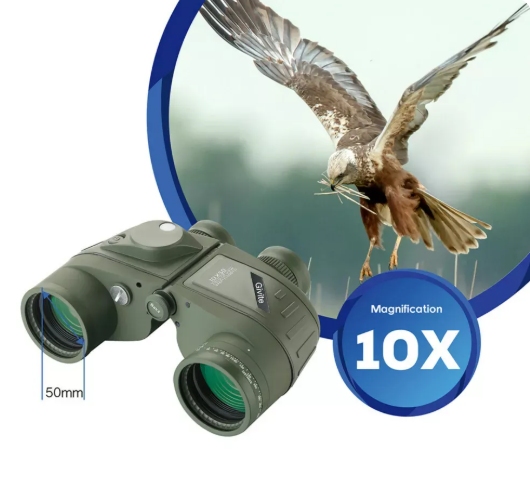
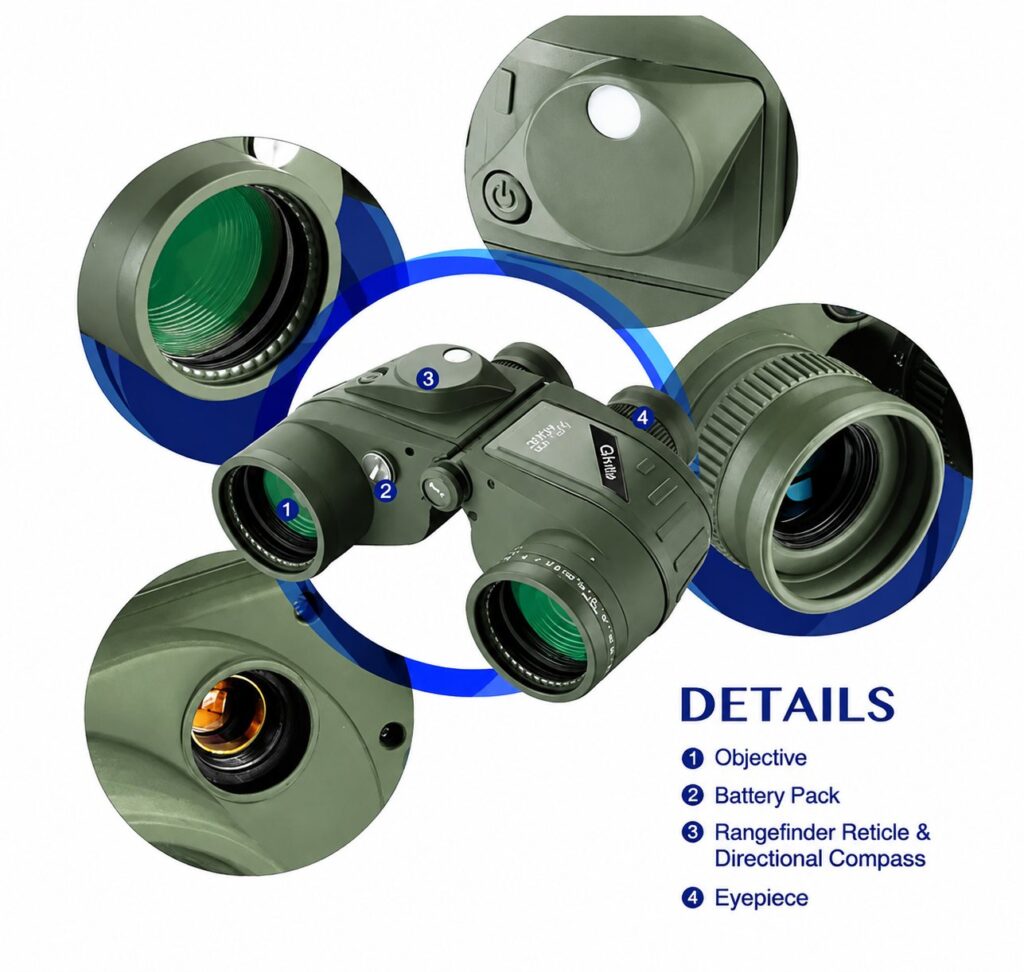
A strong laser rangefinder needs well-planned optical parts. These include objective lenses that gather target images, optical coatings that boost light flow, internal structures that keep everything lined up, and viewing systems that make targets easy to spot.
Engineers weigh several points during design. Light transmission efficiency raises image brightness and measurement trust. Optical alignment keeps laser and viewing paths true. Lens quality gives clear target views. A compact structure keeps the unit light and easy to carry.
For outdoor uses like golf, hunting, and field watching, optical strength builds user trust. A skilled laser rangefinder maker needs solid optical engineering skills. Even small alignment mistakes can change measurement results.
Once the optical layout is set, the next job is building the laser measurement system.
Most laser rangefinders use the time-of-flight (TOF) idea. The unit shoots a laser pulse at a target and works out distance by timing how long the bounced signal takes to come back.
Key parts are the laser transmitter, the receiver sensor, the signal processing circuit, and the measurement algorithm.
The transmitter makes short pulses. The receiver picks up the return signals. The electronic system then handles the data and figures the distance.
How well laser distance measurement works depends on laser stability, receiver sensitivity, resistance to weather, and signal processing accuracy.
For long-range jobs, the optical parts and electronic systems must work together smoothly.
A laser rangefinder is more than an optical tool. It is also a smart electronic device.
The inside electronic system often holds a main control unit, sensor modules, a display system, a power management circuit, and data processing software.
The built-in software algorithm helps raise measurement accuracy. It sorts the received signals, cuts out noise, and works out solid distance numbers.
Advanced algorithms let the device handle tough situations. These include weak returns from far targets, uneven outdoor backgrounds, and shifting light levels.
Hardware and software together give modern laser rangefinders quicker responses and steadier readings.
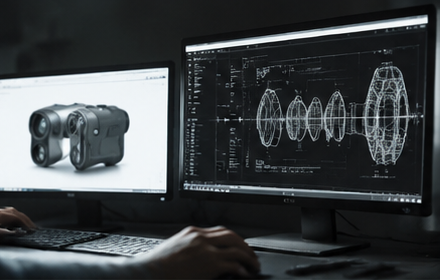
After optical and electronic systems are ready, engineers shape the mechanical body.
The housing must protect the insides, feel good in the hand, and suit factory production.
Key points include an ergonomic grip, waterproof design, shock resistance, light weight, and lasting strength.
Prototype work usually follows these steps. First comes 3D design and engineering review. Next is prototype building. Then structural tests follow. After that comes mold development. Finally the team prepares for full production.
A solid enclosure keeps optical and electronic parts safe from dust, water, and bumps.
For firms that want a custom laser rangefinder, mechanical changes often form a big part of OEM and ODM projects.
Assembly brings every part together into a finished product.
A professional laser rangefinder factory follows a controlled path.
Optical component assembly comes first. Technicians fit lenses, laser modules, and alignment parts. Exact placement matters because any optical shift can hurt accuracy.
Electronic assembly follows. Workers install circuit boards, sensors, displays, and battery systems. Each electronic part must pass a function check before final joining.
Final mechanical assembly wraps it up. This covers housing fit, button checks, seal inspection, and look-over.
A full assembly process makes sure every unit works the same before it ships.
Calibration ranks among the most important steps in laser rangefinder production.
Even top-grade parts need careful tuning to deliver true measurement performance.
A laser rangefinder maker runs several kinds of tests.
| Testing process | Purpose |
| Distance accuracy testing | Verify measurement precision |
| Optical inspection | Check image clarity and alignment |
| Environmental testing | Evaluate durability |
| Function testing | Confirm electronic performance |
Quality control can include checks at different distances, temperatures, and light levels.
Outdoor units, for example, need steady results in open fields, woods, mountains, or building sites.
Strict calibration and testing produce high-precision laser measurement devices that suit professional work.
Many firms want tailored optical goods instead of off-the-shelf ones. This is where OEM laser rangefinder and ODM laser rangefinder services prove useful.
An OEM deal usually means making products to the buyer’s needs. This can cover brand marking, packaging design, product specs, and order size.
ODM work goes deeper. It can include optical design help, product engineering, prototype building, and full manufacturing plans.
Picking an experienced laser rangefinder supplier can cut development time and raise product reliability.
A capable ODM laser rangefinder factory can guide customers from first idea to finished goods.
Laser rangefinders serve many fields because they deliver quick and true distance readings.
Common uses include outdoor sports. Golf laser rangefinders help players judge target distances fast.
Hunting and field work also rely on them. Hunting laser rangefinders give distance data in forests, mountains, and open land.
Professional observation benefits too. Telescope laser rangefinders join optical viewing with distance measurement for outdoor watching.
Industrial measurement is another area. Laser measurement devices appear in construction, engineering, and inspection jobs.
Different uses call for different mixes of optical strength, measurement range, toughness, and product shape.
Picking the right manufacturing partner matters for companies entering the optical equipment market.
A dependable maker should offer professional optical research skills, steady production methods, strict quality checks, OEM and ODM support, and custom product development experience.
A complete manufacturing system lets businesses build products that meet market needs while keeping quality steady.
Hemusun Optical Instrument Co., Ltd. focuses on research, development, manufacturing, and sales of optical instruments. The company aims to supply high-quality optical products for many industries and settings.
With solid optical research skills, precise manufacturing steps, and experience in optical product work, Hemusun offers solutions that cover rangefinders, binoculars, monoculars, spotting scopes, night vision devices, telescopes, optical components, and other optical gear.
The company supports custom product development and OEM/ODM cooperation. It helps customers build optical products that match their exact needs. Its approach joins optical engineering, product design, assembly control, and quality inspection to deliver reliable solutions for global markets.
Laser range finder production is about much more than assembling electronic components. The design of optics, laser distance measurement technology, software development, manufacturing processes, and testing procedures impact the end result.
Companies looking for a reliable laser range finder manufacturer should consider a company with good optical expertise as well as OEM and ODM capabilities to produce high-quality competitive products.
Laser rangefinder manufacturing process involves optical design, laser module, electronics integration, mechanical assembly, calibration and quality inspection.
Laser rangefinder uses laser pulses sent to a target and the time required for reflection back through TOF technology to measure distance.
Businesses need to look at optical engineering expertise, manufacturing experience, quality control system, customization options and OEM/ODM service.
Yes. OEM laser rangefinder solutions consist of custom designed, branded, packed and manufactured products per customer requirements.
OEM service is manufacturing as per customer requirement, whereas ODM service includes product development in addition to manufacturing.