
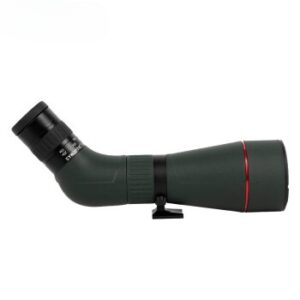
Whether you're scanning distant galaxies or spotting wildlife up close, a well-maintained telescope delivers sharp views every time. At Hemusun, we know quality optics make all the difference. Check out our range of product designed for reliable performance. This guide dives into essential cleaning and care tips to boost your telescope's longevity, drawing from proven practices that keep equipment functioning for years.
Telescope owners often face faded images from dust buildup or scratches from hasty wipes. Regular care prevents these problems, ensuring crisp observations session after session. Studies show that telescopes stored in controlled environments last up to twice as long as those exposed to humidity swings. Think of backyard astronomers who log hundreds of hours yearly—their scopes stay reliable because they follow simple routines. Neglect leads to costly repairs, but steady attention builds trust in your gear.
Maintaining your telescope isn't just about fixing issues; it's about preventing them. This approach saves time and money while enhancing your stargazing experiences.
Dust and smudges scatter light, turning bright stars into hazy blobs. Telescope cleaning tips stress doing this task sparingly to avoid wear on delicate coatings. Clean only when views dim noticeably, like after a dusty field trip.
Optics demand gentle handling. A quick brush-off might seem fine, but wrong methods etch fine lines that blur details forever.
Spot cleaning needs by checking for visible grime under good light. If fingerprints or pollen layers appear, act. Outdoor sessions in windy areas often leave residues that cut contrast by 20-30%. Indoor storage reduces this, but monthly inspections catch early buildup.
Gather these basics for safe work:
Avoid household wipes—they leave streaks and residues.
Start with the blower. Hold the telescope steady and direct short bursts at the lens or mirror. This removes most dust without contact.
Next, dampen a cloth corner with solution. Wipe in circles from center out, using light pressure. Dry immediately with a dry section to prevent spots.
For mirrors in reflectors, tilt the tube to avoid drips inside. Repeat if needed, but stop if streaks form—let it air out.
This method keeps surfaces pristine, much like pros handle museum pieces.
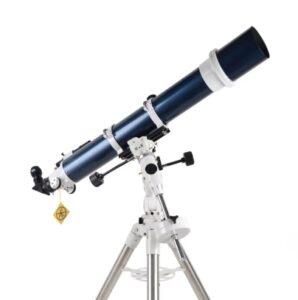
Reflectors shift alignment from bumps or temperature changes, leading to fuzzy images. Collimating reflector telescope restores sharp focus by adjusting mirrors. Do this every few months or after travel.
Misalignment shows as doubled stars in the eyepiece. Fixing it takes minutes and sharpens views dramatically.
Use a collimation cap or laser tool. These fit into the focuser and guide adjustments.
Center the telescope on a bright star. Insert the tool and tweak screws until reflections align perfectly. Test with an eyepiece—planets should snap into clarity.
Amateurs report 50% better detail after this step. It's a key part of telescope maintenance for beginners.
Rough handling cracks mounts or shifts parts. Treat your telescope like fragile glass during setup and transport.
Daily use builds habits that extend life. Simple steps during sessions pay off in durability.
Carry by the base, not the tube. Set up on stable ground to avoid tips. In groups, like astronomy clubs, this prevents accidents that dent frames.
Cover optics right after use. A quick cap blocks dust settling in.
Store in a cool, dry spot away from windows. Telescope storage tips include using cases that block light and moisture. Humidity above 60% fosters mold, ruining coatings in weeks.
Hang tubes vertically if space allows—this drains any condensation. Add silica packs inside cases for extra protection.
| Storage Factor | Ideal Condition | Common Mistake |
| Temperature | 50-70°F | Garage extremes |
| Humidity | Below 50% | Damp basements |
| Dust | Sealed case | Open shelves |
| Light | Dark area | Sunny rooms |
This table highlights quick checks for better storage.
Moisture and dirt sneak in during outings, cutting longevity. Address them head-on for worry-free use.
Problems like fogging disrupt nights under the stars. Proactive steps keep things clear.
Dew forms fast on cool nights, blurring lenses. Preventing dew on telescope uses heaters or shields that extend warm air over optics.
Wipe gently if it happens, but prevention beats cure. Field tests show shields add hours to clear viewing.
Blow off particles before they stick. In dusty regions, like deserts, cover during breaks.
Regular checks spot issues early. This keeps performance steady, session after session.
Hemusun Optical Instrument Co., Ltd. stands out as a trusted telescope supplier in the optical field. Dedicated to high-quality products, the company focuses on research, development, and manufacturing for applications in scientific research, industrial monitoring, and more. With advanced facilities and strict quality controls, Hemusun delivers reliable optics that meet global standards. Their commitment to innovation and customer needs ensures solutions that perform in demanding settings.
Sticking to these essential cleaning and care tips transforms how your telescope serves you. Clear views come from consistent effort, not chance. Over time, this builds a stronger bond with the night sky or distant landscapes. Proper care not only extends longevity but elevates every observation.
Clean when grime affects views, typically every 3-6 months for active users. Frequent handling in outdoor spots might call for more checks, but overdoing it risks scratches.
Use sealed cases with desiccants. Keep in air-conditioned rooms to hold humidity low. This stops mold, preserving optics for years.
Yes, shields or low-heat wraps keep lenses clear longer. Users in damp climates see sessions double in length without interruptions.
It sharpens images by aligning mirrors. Skipping this dulls details, like missing faint galaxies. Quick tweaks every few uses keep performance peak.