
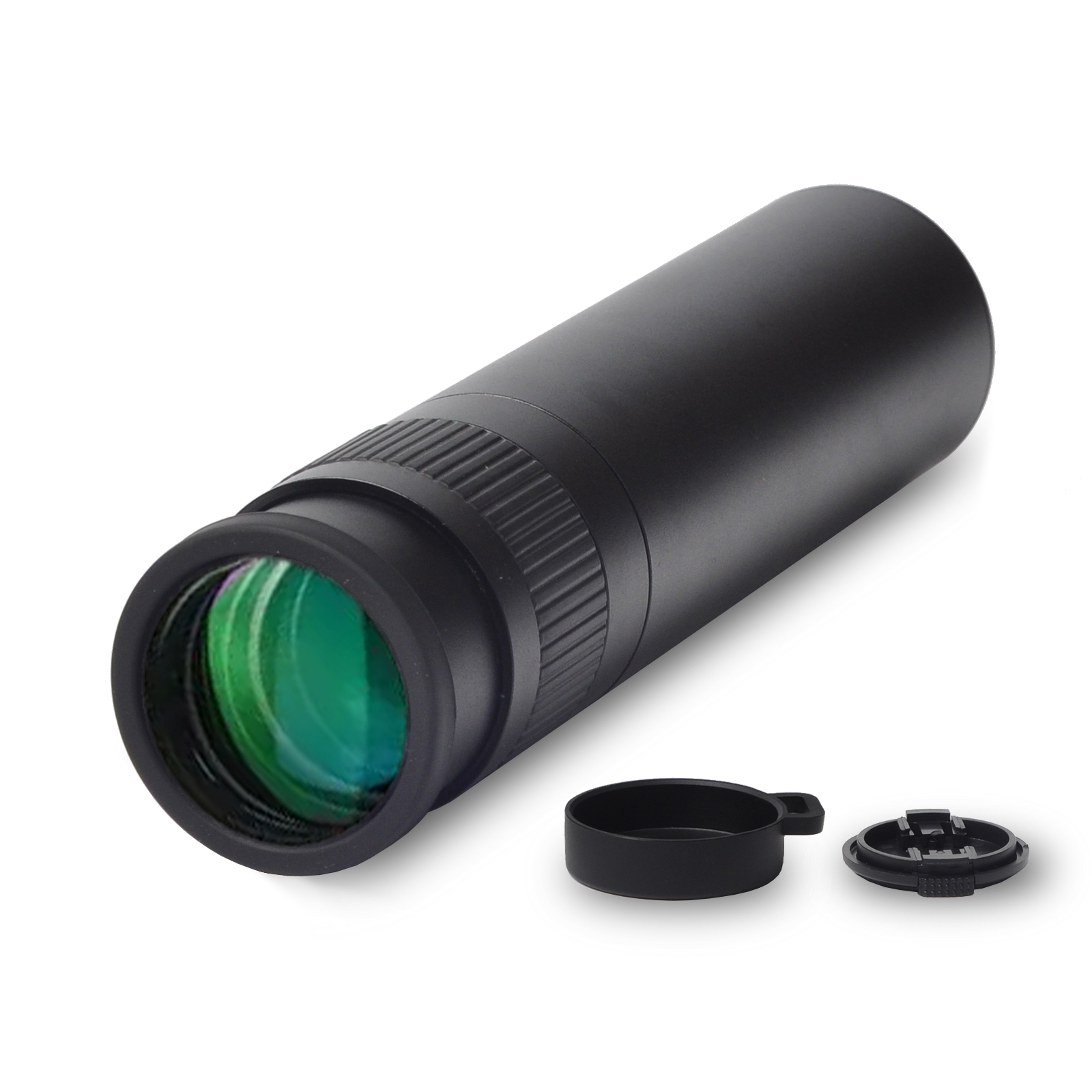
Monoculars, for the procurement manager or distributor adding to their product line, China is the perfect destination point for high quality optical products. China’s established optical manufacturing base boasts expertise, advanced manufacturing processes, and the efficient supply chains that distributors require. But finding the right supplier to partner with is hard, especially if buyers are to avoid purchasing low quality goods, waiting for long time for delivery, and having hidden quality issues that negatively affect their profit margins.
Learn the practical process of purchasing monoculars from Chinese manufacturers. This guide to purchasing monoculars goes over common problems and details the process of checking suppliers in order to build a efficient distribution chain.
China produces the largest part of the world’s optical instruments. In the provinces of Guangdong and Zhejiang there are big production clusters of optical instruments. These clusters consist of lens grinders, prism makers, coating companies and optical production companies. Because they are clustered together close to each other, production costs are kept at a minimum. The production can also be adjusted quickly to meet customer needs.
As we noted earlier, competitive pricing, scalable production and the ability to purchase a 7x model all the way up to the most advanced stabilized version can be a major draw for B2B buyers. But first, it’s essential to dig beyond the lowest quoted price to ensure that the manufacturer can consistently deliver results. Sadly, many first-time importers learn the hard way that not all manufacturers are created equal.
Procurement teams often face these challenges:
Being aware of these issues in advance allows you to incorporate them into your supplier’s questionnaire during the vetting process.
Smart buyers pay attention to 5 key issues and with the following tips and observations you will become one too.
A monocular is basically a piece of glass with some coatings on it. Look for suppliers who explain their lens technology.
One trick we use when evaluating suppliers is to specifically ask for test reports or MTF charts rather than for the supplier to tell you how great they are. In one case a buyer set up a number of samples from two competing suppliers to test side by side at a trade show. The supplier whose samples had FMC coating and BAK7 prisms performed far better in the field for which the supplier was bidding, even though their price was slightly greater on a per unit basis. The buyer got a great deal.
Top manufacturers now consider customization as standard rather than a favor.
Expect strong support for:
Take a factory visit or ask for a detailed video factory tour to see your design team and sample workshop. A reliable partner will go from your concept sketches within weeks to a working prototype.
Don't skip this step. Solid suppliers hold:
Request recent audit reports and show examples of past export shipments. Factories with transparent quality control processes have low defect rates post final inspection, typically below 1-2%.
Matching a supplier's production capacity with your own purchase volume, i.e. questioning the supplier about his/her factory's capacity to produce in the volumes you require.
A good sign? The Suppliers that post their photos or videos of their on going production runs AND can provide proof of similar quantities of production in the past.
Never skip samples for any reason. Send multiple units from different production batches and test them thoroughly.
Many experienced buyers check goods before they arrive at port by having a third party such as a Building Inspector undertake pre-shipment inspections on their behalf. They develop trust with their manufacturer over time.
Here is a quick comparison table for the evaluation of suppliers:
Evaluation Area | What to Check | Red Flags | Green Flags |
|---|---|---|---|
Optical Quality | FMC coating, BAK7 prism, test reports | Vague specs, no data | Detailed parameters + sample results |
Customization | Logo, packaging, accessories | Long delays on samples | Fast prototype turnaround |
Certifications | ISO, CE, export records | Missing or expired docs | Up-to-date + multiple market approvals |
Capacity & Reliability | MOQ, lead time, past orders | Overpromising timelines | Transparent production updates |
Testing Process | Sample policy, inspection routines | Resistance to third-party checks | Proactive quality reporting |
Start small. Place an initial order for a few hundred units to test communication, product consistency, and after-sales support. Clear contracts covering payment terms, quality standards, and dispute resolution make a big difference.
Regular factory visits or video audits help maintain standards as your business grows. Many successful importers develop 2-3 backup suppliers while keeping one primary partner for the bulk of their volume.
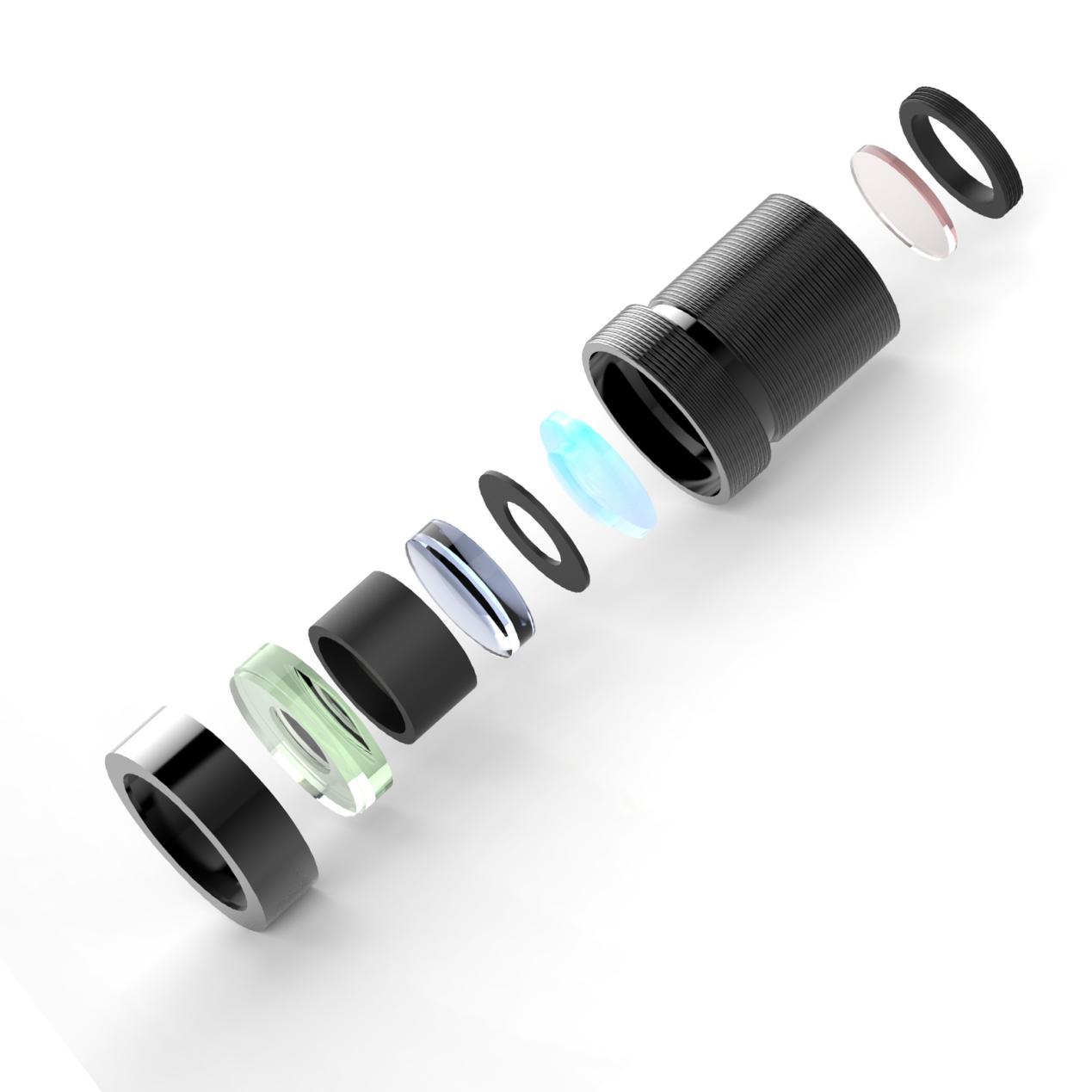
Hemusun Optical Instrument Co., Ltd. is one of the leading suppliers of high-quality optical products, specialized in research, development, production and marketing. Hemusun Optical has the advanced production lines and precise production processes, including lens coating, to guarantee high quality products from scratch to finish. Hemusun Optical holds ISO and CE certificates, owns numerous patents and is able to provide full OEM/ODM services for monoculars and other optical products. The company offers a range of high quality monoculars designed for outdoor, travel and other applications, delivering crisp images and high performance.
Sourcing a reliable Chinese monocular manufacturer does not have to be a gamble. By looking at the optical specifications of a monocular, the degree to which a manufacturer can customize a monocular to suit your needs, the relevant certifications that the manufacturer holds, the manufacturer’s production capacity, the testing procedures that the manufacturer uses, you can sift through the numerous Chinese manufacturers and find a supplier that will grow with your business. Take your time, test the samples that the supplier sends you to ensure that they can hold up in the conditions in which you intend to use the monocular, and make sure that you build a good relationship with the supplier based on a mutual transparency. The right supplier can become your partner in business and give you a competitive edge in the optics market.
First and foremost, the supplier’s optical specifications and the quality of the sample he sends you. Specifically, does the supplier in question use FMC multi-layer coating and quality prisms? And is the supplier able to customize the monoculars to your branding and packaging requirements?
For the import of monoculars, certifications play a major role in order to access the market. ISO9001 for example proves the control of processes, whereas CE markings and other certifications are needed for the approval for release on the market in Europe and other countries. The current status of the certifications should always be requested and presented.
Chinese manufacturers that specialize in exporting of optical products like monoculars usually are able to accept small OEM orders. Be sure to bring up your target MOQ early on in your discussions with them and ask for examples of previous projects that were similar in nature to your proposed production run in order to get a sense of their flexibility.
Order samples from the production lines where the monoculars are being made, clearly list the acceptance criteria for the goods in the contract and consider third-party pre-shipment inspection in order to uncover any potential problems before the goods are shipped.
A prototype can be ready in 2-4 weeks. For full production runs the time depends on the quantity and complexity of the order. The supplier will keep you posted on the progress at each stage.