
Do you buy telescopes in large amounts? Or do you want a custom line of astronomical telescopes for your business? China shines as the best place for making these items. Still, not all factories offer the same quality. Choosing the right OEM partner can affect your products, profits, and how happy your customers are.
This guide walks you through the points that matter most when you check suppliers. It covers warning signs, key skills, and the differences between steady partners and others. Along the way, you will see why many buyers pick experienced makers who handle basic models and high-end custom astronomical telescopes with equal care.
Walk into any large optics trade show. You will notice one clear fact. Most astronomical telescopes come from Chinese plants. The country has built strong supply chains for glass, coatings, exact machining, and final assembly. Skilled workers have deep knowledge, especially in areas with long optics history.
The market splits into two groups. Some factories make simple refractors for new stargazers. Others produce steady mid-range to high-end reflectors or catadioptric systems. A good OEM does more than make products. They help you adjust specs for your market, whether that means new backyard users or serious clubs that want bigger apertures and better tracking.
Many importers learn this the hard way. A low unit price often hides higher return rates, warranty claims, and harm to your name. The real key is to find a partner whose process fits your brand standards.
When choosing a telescope OEM manufacturer in China, it’s important to look beyond surface-level promises and focus on the factors that directly impact product quality, consistency, and long-term reliability. Experienced buyers know that the right partner makes the difference between a product line that sells well and one plagued by returns and complaints. Below are the key areas worth careful attention.
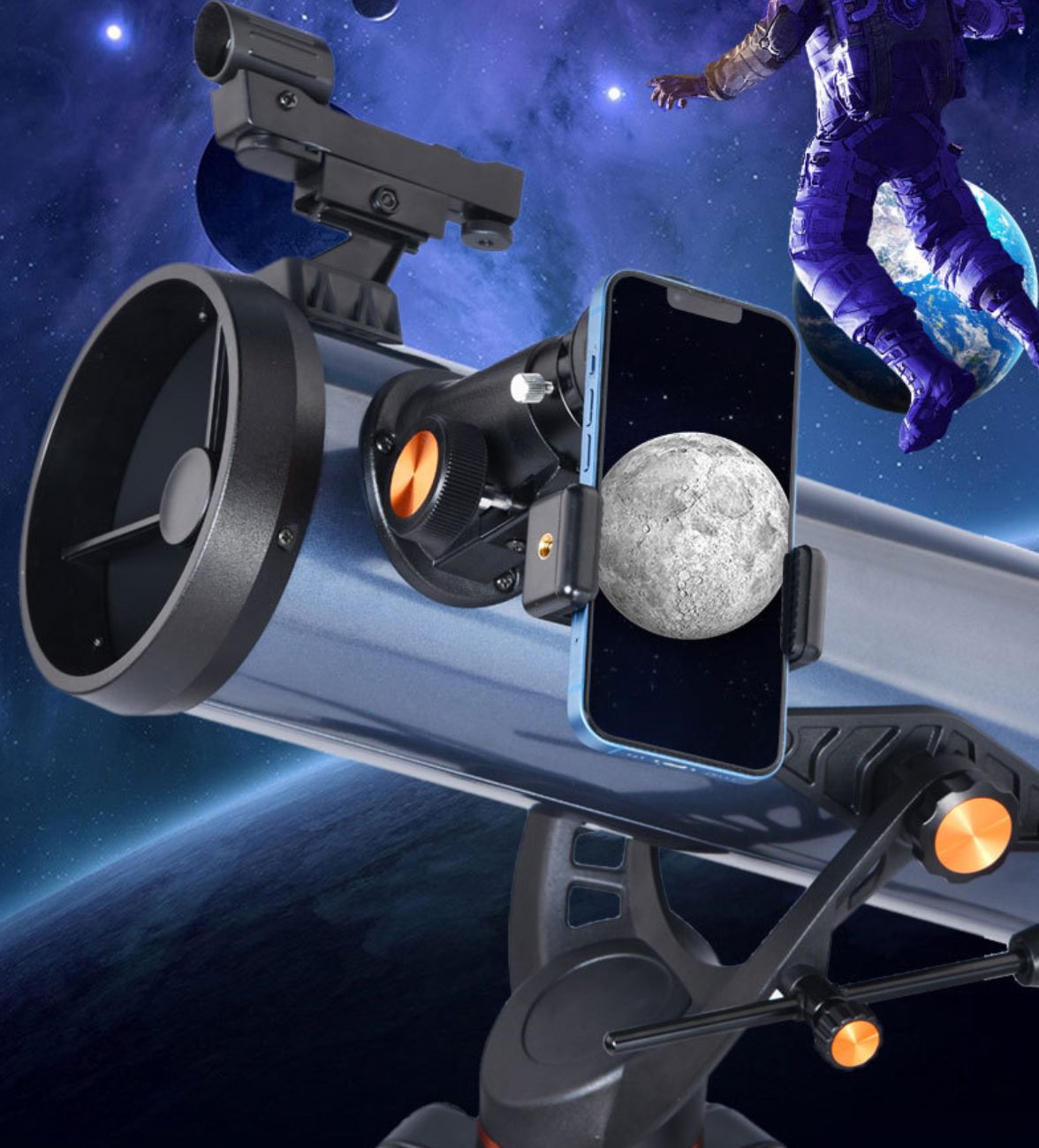
Look past basic magnification numbers. A solid maker offers astronomical telescopes with clear details on objective lens size, focal ratio, resolution, and real usable power. Models with 114mm objectives and multi-coated optics stand out. They give sharp views of lunar craters and planet details.
Check if they make different types. Refractors work well for crisp planet views. Reflectors suit deep-sky objects. Hybrids come with sturdy mounts. Experienced teams also handle custom work. They can change eyepiece sets, improve tripod stability, or add accessories such as finderscopes and cases.
This step matters in daily work. Top suppliers follow clear steps. They inspect raw materials first. Then they grind and polish lenses. Next comes multi-layer coating. Assembly happens in clean rooms. Final optical tests close the process.
Ask about their tools. Plants that use interferometers for surface checks and spectrophotometers for coating results tend to give more even output. Real factories check every batch for collimation, light transmission, and mechanical strength.
One importer shared a clear story. They switched to a supplier with tighter checks. Their defect rate dropped from 8 percent to under 2 percent. Fewer returns and better customer feedback paid for the change fast.
Off-the-shelf items work at the start. Growth often needs private labels, new color choices, or performance changes. Reliable partners give full ODM help. They guide design or updates from idea to finished goods.
This covers custom optical setups, branded packaging, accessory bundles made for your market, and different aperture or mount choices.
ISO and CE marks give a basic check. Look closer at output volume, lead times, and sample quality. Strong suppliers share factory photos or virtual tours. These show dedicated optics lines, not just general assembly areas.
Payment terms, flexible MOQ, and fast replies matter too. A partner that answers quickly and understands your language saves time and stress.
Experienced buyers always ask for samples. They test them under real night skies. These sessions show a lot about true performance.
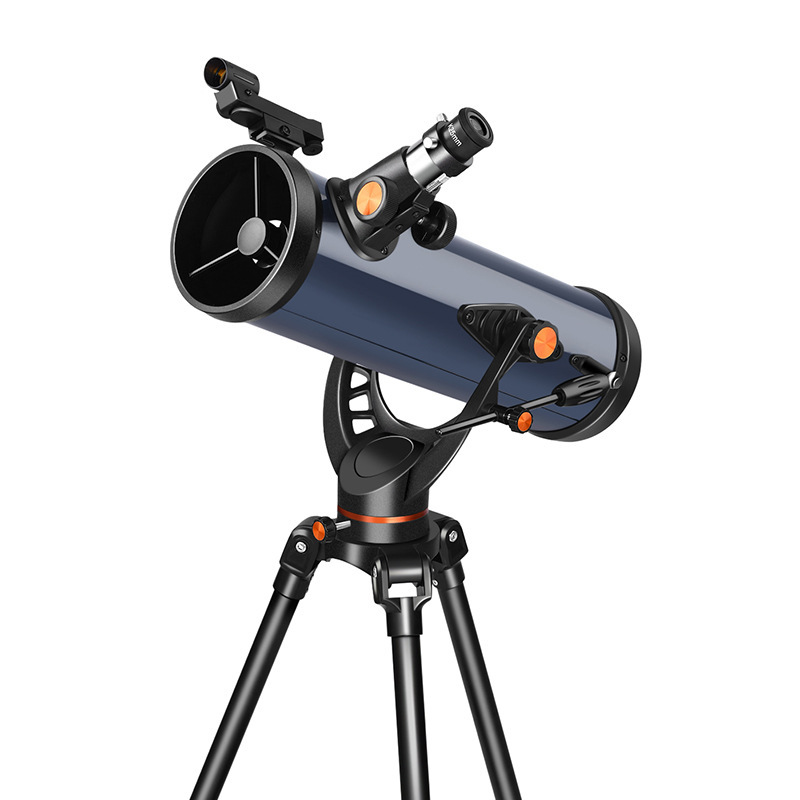
Hemusun Optical Instrument Co., Ltd. works as a focused high-quality optical products supplier. It has strong roots in R&D, manufacturing, and global sales. Its lineup covers astronomical telescopes plus binoculars, rangefinders, night vision devices, and custom optical parts.
The team stresses precision at each stage. This runs from lens work and coating to full assembly. Skilled technicians and testing tools help keep tight control over factors that shape image clarity and long life. Many clients value their skill in delivering both standard and fully custom astronomical telescopes. These perform well for beginners and enthusiasts.
Their method stresses stable mounts, solid eyepieces, and useful accessories. End users can enjoy the night sky without shaky views or hard setups.
Picking the right telescope OEM manufacturer in China comes down to three things. You need matching skills, strong quality systems, and a good fit as partners. Spend time to review their process, test samples, and ask direct questions about long-term support. Extra effort at the start leads to better goods, smoother runs, and stronger margins.
You may build a new private-label line of astronomical telescopes. Or you may expand an existing catalog. Either way, a capable supplier makes the difference.
Focus on optical quality, mount stability, and customization choices. A good maker gives clear details on aperture, coatings, resolution, and real-world results. They avoid inflated magnification claims. Test samples yourself under the stars.
It is very important. Steady lens work, proper collimation, and durable mechanics set apart products that please customers from those that bring returns. Reputable suppliers test at many stages and can share the data.
Yes. Many established makers offer ODM services. You can set optics, colors, packaging, and accessories to match your brand. They use their production know-how to deliver.
It varies by supplier and model complexity. Flexible partners often work with reasonable starting numbers, especially for proven designs. Talk about your volume goals early.
Request detailed specs, recent test reports, and sample units. Ask for a factory visit or video tour too. Check certifications and request references from other international clients.