
Buying optical products from China can lower sourcing costs, but price alone is a poor way to choose a supplier. A binocular, spotting scope, rangefinder, night vision device, telescope, or precision lens may look good in one sample while still fail in mass production. Small differences in coating, alignment, sealing, electronics, or final inspection become expensive at scale.
For buyers searching for a reliable optical instrument manufacturer in China, the key question is not “Who offers the lowest quote?” It is “Which supplier can repeatedly build the agreed product?”
OEM and ODM are often treated as the same service, but the sourcing process differs. Buyers should decide how much development work they expect the factory to handle before comparing quotations.
An OEM optical manufacturer normally produces to an existing specification or adapts a proven platform. This suits distributors and brands that need private label optical products without developing a completely new optical system.
Typical OEM work includes branding, packaging, accessories, color changes, and selected optical or mechanical changes.
An ODM optical supplier takes a larger role in product development. The work may involve optical design, housing changes, component selection, prototypes, tooling, testing, and preparation for volume production.
ODM makes more sense when a buyer needs a differentiated product. It also calls for tighter control of drawings, samples, tolerances, and acceptance criteria.
A broad catalogue is useful, but relevant manufacturing experience matters more. Skill in simple optics does not automatically translate to thermal devices or tightly specified assemblies.
| Product category | What buyers should check |
| Binoculars and monoculars | collimation, coatings, waterproofing, focusing feel |
| Spotting scopes | resolution, edge sharpness, high-magnification stability |
| Rangefinders | ranging repeatability, display visibility, sensor integration |
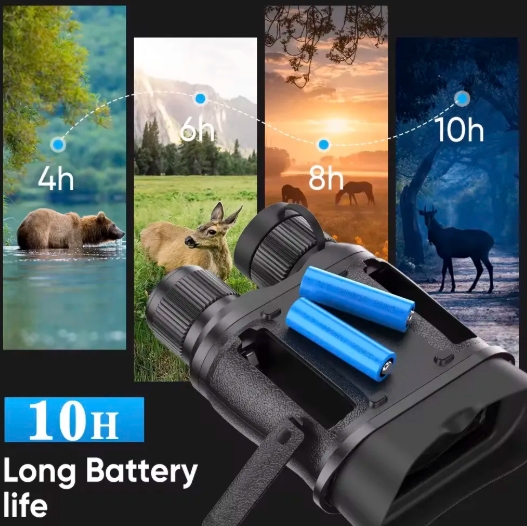
| Night vision and thermal devices | sensor quality, image processing, power management |
| Telescopes | optical alignment, focusing accuracy, accessory fit |
| Lenses and filters | material, surface quality, coating, tolerance |
A buyer looking for a binoculars manufacturer in China should ask how collimation is checked after assembly and whether the same standard applies to the approved sample and production lot. Similar questions apply to a spotting scope manufacturer, rangefinder manufacturer in China, night vision manufacturer, telescope manufacturer in China, or optical lens manufacturer.
One good sample proves that one good sample can be made. It does not prove that a China optical manufacturer can control a production run.
A capable optical factory should have a traceable process covering design, material selection, fabrication, assembly, calibration, inspection, and packing. Precision optical manufacturing may include cutting, grinding, polishing, centering, coating, bonding, cleaning, and final assembly.
For optical components, buyers may need data on surface accuracy, coating performance, transmission, or wavefront error. Finished instruments may require checks for resolution, alignment, waterproofing, electronics, and cosmetic defects.
Useful questions include:
For custom optical lenses, interferometers, spectrophotometers, and other precision metrology are more meaningful than a general claim of “strict quality control.”
A reliable OEM optical supplier should turn a buyer’s requirement into a controlled production specification. Before a large order, send a requirement sheet covering target market, application, quantity, optical parameters, mechanical constraints, packaging, compliance needs, and target cost.
Do not judge samples only by appearance. Test them in conditions customers will face. A spotting scope should be assessed at higher magnification. A rangefinder should be checked on different target surfaces and lighting. Night vision equipment should be tested for image usability, controls, battery behavior, and heat management.
For custom optical products, record every approved change. A “golden sample” helps only when its critical specifications are written down and carried into production.
The cheapest unit price can become expensive if MOQ creates slow inventory, shipping is delayed, or defect handling is unclear.
Buyers comparing optical instruments wholesale in China should request the same commercial information from each supplier:
| Commercial item | What to confirm |
| MOQ | standard product vs. customized order |
| Sample | price, build time, customization included |
| Tooling | ownership and future modification cost |
| Lead time | sample approval to finished production |
| QC | inspection method and pre-shipment report |
| After-sales | defect procedure and technical support |
A low MOQ optical manufacturer can help with market testing, while a higher-volume factory may offer better economics after demand is proven. The right choice depends on expected sales, not simply the smallest minimum order.
Several optical categories suit private-label and wholesale programs because specifications can be adjusted for different price bands and end users.
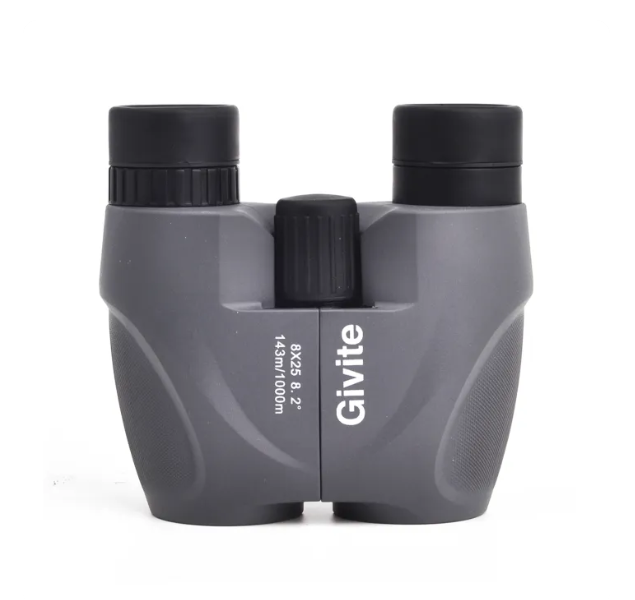
These products serve birdwatching, travel, wildlife observation, and long-distance viewing. Buyers can differentiate them through coatings, glass selection, focusing systems, waterproof construction, ergonomics, accessories, and packaging.
For a custom binocular manufacturer in China or OEM spotting scope supplier, optical performance should be considered together with handling. A sharp image is important, but so are smooth focusing, comfortable eye relief, stable mechanics, and repeatable assembly.
Rangefinders combine optics with laser measurement and electronics, so integration quality is critical. Digital night vision and thermal products add sensors, displays, image processing, and power systems.
A rangefinder supplier should therefore be judged on measurement consistency as well as optical clarity. The same principle applies when selecting a thermal imaging supplier or night vision manufacturer: electronic performance and optical performance need to work as one system.
Astronomy products serve education, hobby, and specialist retail markets. Custom lenses, prisms, windows, beamsplitters, filters, and substrates support industrial, medical, laser, environmental monitoring, and imaging systems.
A precision optical components supplier or custom optical lens supplier can also support projects that do not require a complete instrument. For an ODM telescope manufacturer, buyers should also review alignment, focusing mechanics, structural stability, packaging protection, and accessory compatibility.
Supplier qualification should combine technical, commercial, and operational checks. Documents should match the actual product and destination market.
Before approval, confirm:
For regulated markets, verify which certifications or test reports apply to the specific product rather than assuming one document covers an entire catalogue. A professional optical instruments supplier should be able to discuss these requirements before production starts.
Hemusun Optical Instrument Co., Ltd. operates as a high-quality optical products supplier serving OEM, ODM, wholesale, and customized projects. Its product range covers binoculars, monoculars, spotting scopes, rangefinders, night vision devices, astronomy products, lenses, filters, microscopes, magnifiers, and related optical components.
For buyers requiring component-level customization, Hemusun supports processes from grinding and polishing through coating, cleaning, and assembly. Its optical machining operation has handled more than 5,000 lens types, and its inspection resources include interferometric and spectrophotometric equipment. The company also states that its optical component operation follows an ISO 9001 quality system.
This combination allows buyers to discuss finished outdoor optical equipment and precision optical components within the same sourcing relationship. It can be particularly relevant when a project moves beyond simple private labeling into custom lenses, optical assemblies, or broader OEM/ODM development.
Choosing a reliable optical instrument manufacturer in China requires more than comparing catalogues and quotations. Product experience, measurable quality control, OEM/ODM engineering support, sample discipline, production consistency, and practical after-sales service all affect landed cost and brand risk.
A good RFQ should state the application, specifications, quantity, testing expectations, customization scope, and target market. Precise technical questions and realistic production feedback are stronger signals than broad sales claims.
Consider product competence, manufacturing expertise, test capability, OEM/ODM experience, sample quality, minimum order quantity, delivery time and post sales management. Compare your suppliers based on the same written specifications to ensure true competition in quotations.
OEM usually starts from an existing design or buyer-provided specification. ODM includes more design and development work and is better suited to buyers seeking greater product differentiation.
Yes. Many factories support logos, packaging, manuals, accessories, colors, and selected specification changes. More advanced projects may include new housings, optical changes, component development, or complete ODM work.
Consideration must be given to the material, surface quality, tolerance, centering, coating, transmission specifications, measuring instruments, inspection certificates, and capability of the supplier to meet those specifications consistently through repeat orders.
Examples of such products include binoculars, monoculars, spotting scopes, rangefinders, night vision equipment, thermal imaging equipment, telescopes, optical lenses, filters, prisms, windows, and other optical components.