
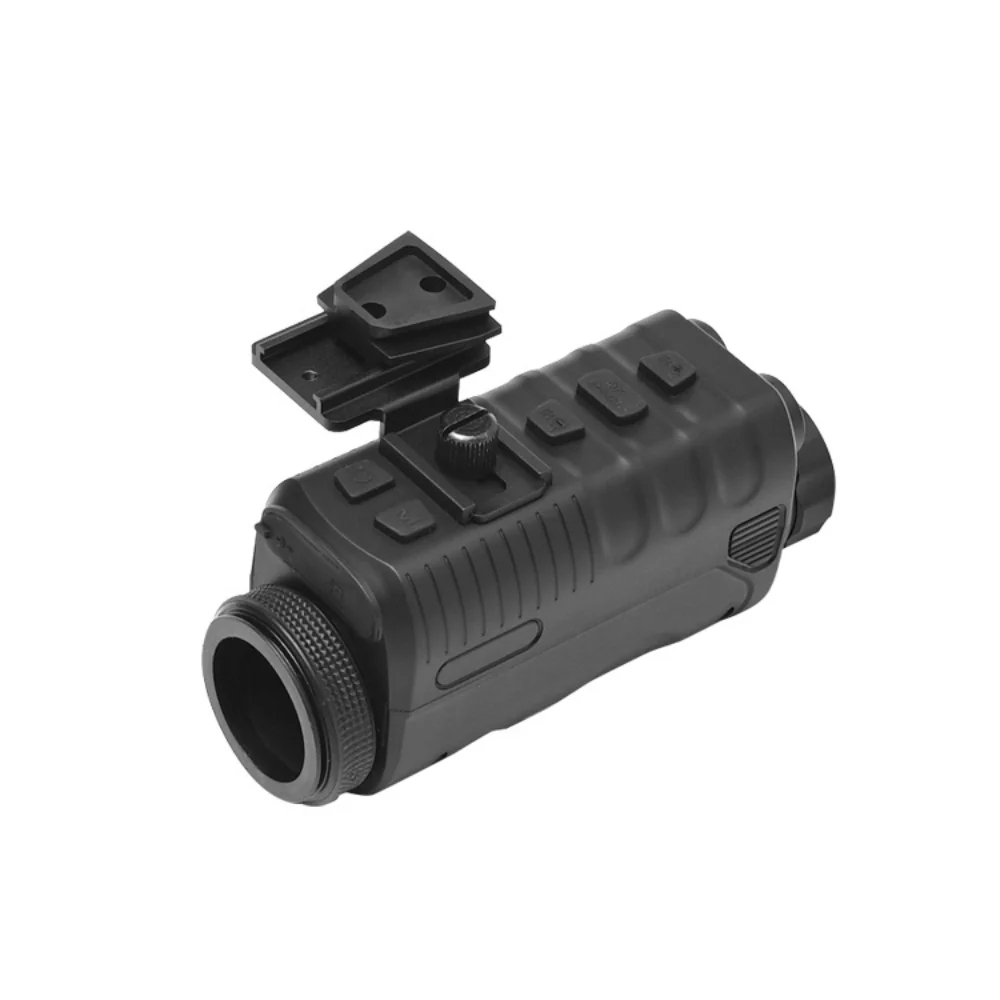
Night falls, and the world slips into shadows. But what if you could pierce that veil? Imagine spotting a deer grazing at dusk or navigating a trail under starlight without a stumble. Night vision technology makes this possible. It's not just gadgets for spies in movies—it's tools that let everyday folks, hunters, hikers, and pros alike see clearly when light fades. In this post, we'll walk through the evolution of night vision technology. From clunky wartime experiments to sleek devices in your backpack, we'll uncover how it's grown. You'll see why it's a game-changer for outdoor adventures and beyond. Let's dive in.
Think back to the smoky battlefields of World War II. Soldiers needed an edge in the dark. That's where night vision first flickered to life. It started simple. Engineers tinkered with infrared light—stuff invisible to our eyes but perfect for spotting shapes.
One early win came from Germany. They built a system called Vampir. It shot out an infrared beam, like a secret flashlight. Then, a tube caught the bounce-back glow. Picture lugging a backpack rig just to peek around a corner. Bulky? Sure. But it let troops sneak up on foes under cover of night. Range was short, maybe 100 meters on a good night. Still, it proved the idea worked.
Across the ocean, the U.S. jumped in with the Snooperscope. Same trick: active infrared plus a viewer tube. Troops in the Pacific theater used it for patrols. These weren't pretty. Heavy gear, fuzzy images. Yet they shifted fights. No more blind groping in blackness.
What drove this rush? Survival. Wars don't pause at sunset. These tools hinted at bigger things. They amplified faint light or used beams to reveal hidden spots. Short sentences like this: It changed tactics. Lives hung on that glow.
By war's end, the basics stuck. Labs buzzed with ideas. The stage was set for real leaps.
Peace? Hardly. The Cold War turned rivalry into rocket fuel for tech. Nations poured cash into staying unseen. Night vision hit its stride here. Gone were the beam-dependent clunkers. Enter passive systems that sipped ambient light—moonbeams, stars, even city haze.
The 1950s birthed Gen 1 devices. These used image intensifiers. Basically, they grabbed weak light photons and multiplied them thousands of times. No emitting beams meant stealth. You stayed hidden while seeing clear.
Vietnam tested them hard. The AN/PVS-1 Starlight Scope became a hero. Soldiers strapped it to rifles. Green-tinted views popped out details at 200 yards. Not perfect—grainy in deep dark. But it turned night ambushes into fair fights. Hikers today owe these roots. Early scopes inspired handheld spotters for trails.
Challenges? Tubes fizzled in bright spots. Blooming, they called it. Still, sales boomed. Civilians grabbed knockoffs for hunting. The evolution picked up speed.
By the 1970s, Gen 2 arrived. Microchannel plates were the star. Thousands of tiny tubes inside boosted gain. Images sharpened. Low light? No sweat. You got usable views down to quarter-moon levels.
Take the AN/PVS-4. Military fave. It clipped on helmets or guns. Clearer edges meant better calls—friend or foe? Range stretched to 300 meters. Factories churned them out. Costs dropped. Soon, law enforcement eyed them for stakeouts.
This era blended war needs with civilian wants. Outdoorsy types wanted portable versions. Binocular styles emerged. Lighter. Tougher. The tech spread. From forests to farms, night opened up.
Bullets on wins:
Short take: Gen 2 made darkness a playground, not a prison.
Tech didn't stop. The '80s and '90s cranked sensitivity. Materials like gallium arsenide lit the way—literally. Photocathodes grabbed more light. Resolution soared.
Gen 3 ruled. These bad boys worked in starless skies. Amplification hit 50,000 times. Edges crisp. Colors? Mostly green, but that's brain-friendly—eases eye strain.
Monoculars like the AN/PVS-14 fit one eye. Goggles for both. Military ops in deserts or cities leaned on them. Spot a wire at 50 meters? Easy. Civilians? Aviators scanned runways. Search teams found lost hikers.
Thermal imaging joined the party. Not light-based. Heat-based. Sensors caught body warmth through fog or leaves. Uncooled versions shrunk size. Firefighters pierced smoke. Rescuers tracked survivors by signature.
A quick table on Gen 3 vs. thermal:
| Aspect | Image Intensification (Gen 3) | Thermal Imaging |
|---|---|---|
| Light Needed | Ambient (stars, IR) | None—detects heat |
| View Style | Green-tinted monochrome | Heat maps (hot/cold) |
| Best For | Clear nights, detail work | Total dark, bad weather |
| Range Typical | 300–500m | Up to 1km+ |
| Drawback | Fails in zero light | Misses cold objects |
This duo? Power couple. Fusion units mixed both. Hunters loved it—see the buck's outline and its warm body.
Evolution tip: Miniaturization ruled. Batteries lasted hours. Weights dropped under a pound. Your grandma could pack one for stargazing.
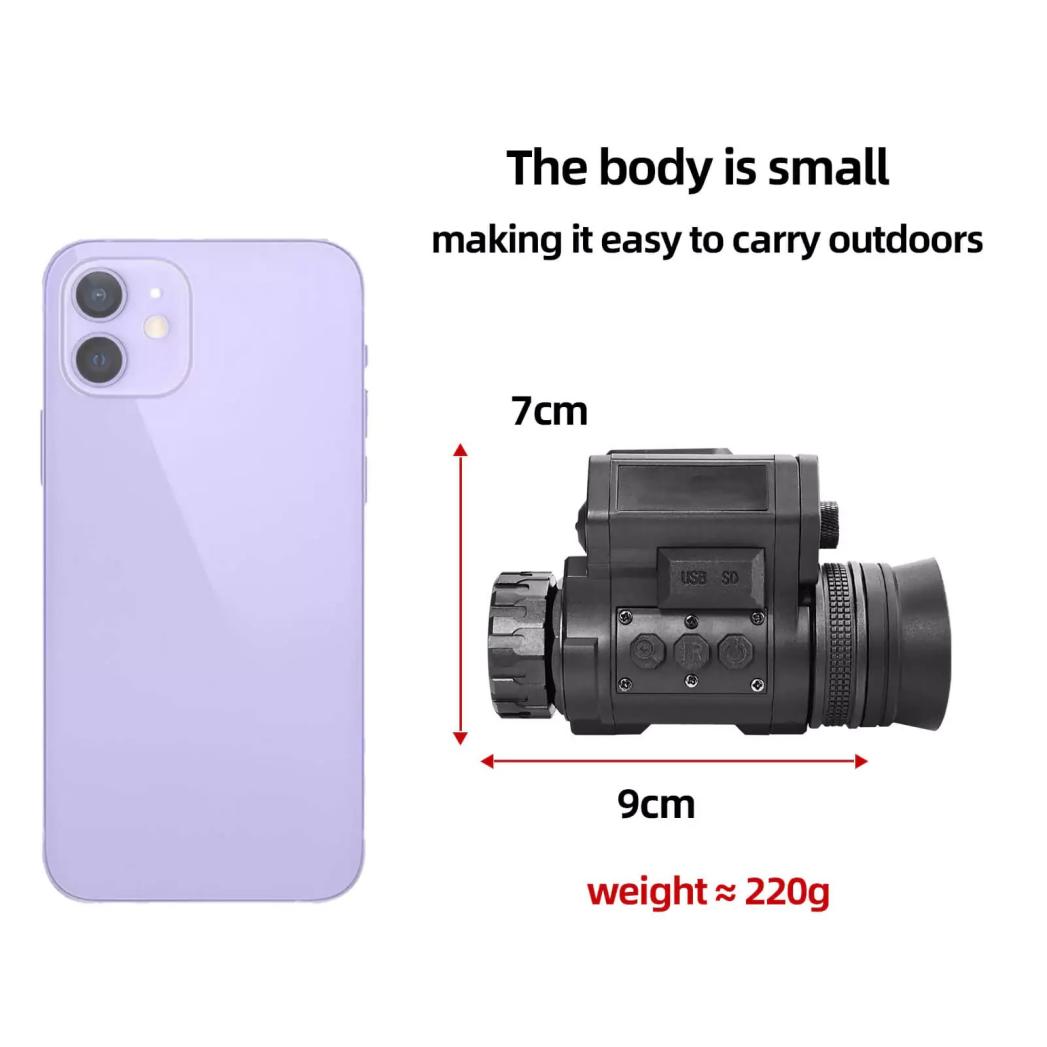
Fast-forward. Gen 4 gates power smartly. Handles flares without washout. Images stay steady in chaos—think urban raids or stormy hunts.
Digital night vision steals the show. CMOS sensors, like in phones, grab frames. Software sharpens on the fly. Record video? Check. Wire to apps? Yep. Cheaper too. Entry-level units under $500.
Today's stars fuse it all. Visible light. IR. Thermal. One device, all views. AI chips spot movement. Alerts ping your watch. Drones carry them for wide sweeps.
Outdoor fans rave. A trail cam with night mode catches foxes mid-prowl. Security pros sleep better—cameras watch 24/7.
Bullets on modern perks:
The evolution? It's user-first. Not just see—understand. A rustle becomes a rabbit, not a ghost.
Tomorrow beckons. Sensors from quantum dots promise no-light wonders. AR overlays? Maps on your view. AI predicts paths—avoids that root.
Sustainability matters. Solar-charged batteries. Recycled housings. Makers chase green while keeping sharp.
For you? Cheaper access. Kids' explorer kits. Pro-grade for vets. The arc bends toward everyone seeing equal.
This journey—from Vampir's beam to AI eyes—shows grit. Tech adapts. Needs push it. Night's no barrier anymore.
Before we field some questions, a quick nod to a key player in this space. Hemusun Optical Instrument Co., Ltd. stands as a trusted supplier of night vision devices. Based in China with roots in Beijing and Sichuan, they blend R&D smarts with hands-on manufacturing. Their team digs into new materials and processes to craft reliable optics. Factories hum with precise coatings and tests—every piece checked for toughness. It's all about fitting real needs, from trail treks to pro watches. Global reach means quick support, plus that personal touch in tweaks. Folks pick them for the steady glow in dark times.
We've traced night vision from wartime whispers to daily tools. Each step built trust. Reliability grew. Now, it empowers. Whether chasing sunsets or safety, it's your ally. Dive deeper? The tech waits. Your next night out just got brighter.
It kicked off in the 1930s with war needs. Early rigs used infrared beams to light up nights. By the '50s, passive amplifiers grabbed starlight. Each war or hunt pushed sharper, stealthier steps. Today? Digital fusion rules.
Big time. Old gear was heavy, pricey. Now? Lightweight monoculars fit your pocket. Batteries last shifts. Apps share views. Hunters spot game clean; hikers dodge roots. It's simpler, tougher—built for real life, not just labs.
Yep, with thermal twists. Image types need some glow. Thermal? It reads heat, no light required. Fog or pitch? Still sees. Pick your match—many units blend both for all-conditions wins.
Exciting stuff. AI will flag threats auto. AR adds maps to sights. Smaller, greener builds. Expect quantum boosts for insane detail. Your phone might pack it soon—nights wide open.
Solid ones deliver on promises. Think durable builds that shrug rain. Sharp images that last. Plus, tweaks for your setup. It builds confidence—gear that grows with you, not quits mid-hunt.