
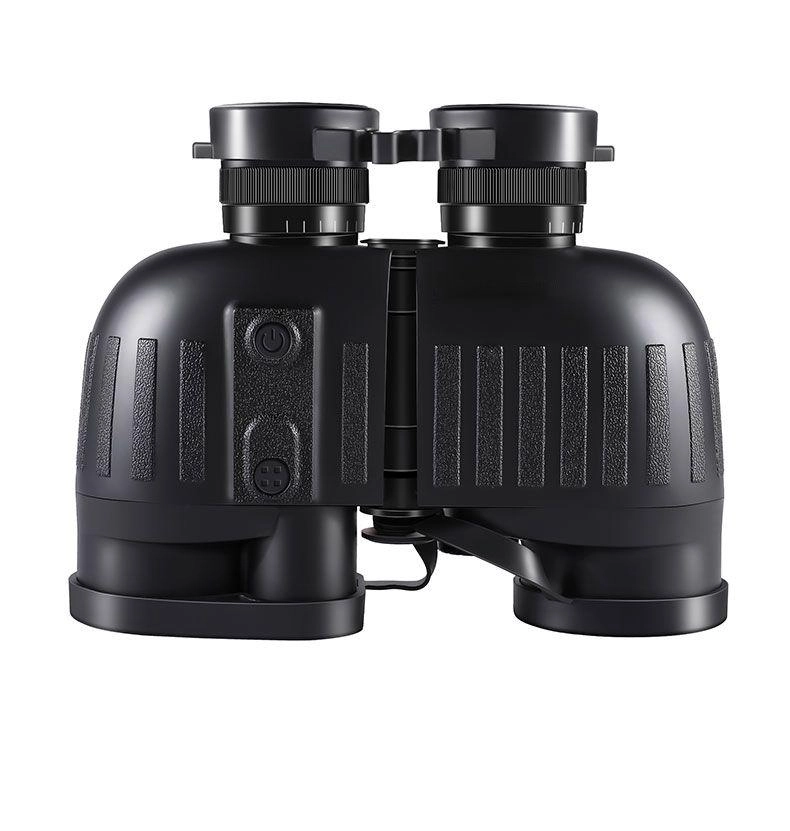
Laser rangefinders are now key tools in many fields. They help in sports and science work. You might use them to find out how far away something is in the wild or to check big areas. Knowing how they run can make you better at using them. In this post, we look at the three big ideas that make laser rangefinders work: time-of-flight, phase shift, and triangulation. Each idea has its own uses and good points. They give exact and steady results for people who use them.
This overview sets the stage for a deeper look into what these devices are and how they function.
Laser rangefinders are light-based gadgets. They use beams to figure out the space between the gadget and a spot. These gadgets send out beams and check how the beam bounces back or acts with the spot to work out the space. They rely on rules from physics and light studies. So, they offer sharp readings for lots of jobs.
Laser rangefinders turn out to be handy devices. People use them in games like golf, in hunts, army tasks, ground checks, and even in building and tree work. But to really get how these tools run, we need to jump into the main ideas that drive them.
Understanding the basics helps in appreciating their wide use.
The time-of-flight way is one of the first and easiest ideas for laser rangefinders. It works by timing how long a beam burst takes to go from the rangefinder to the spot and back. This idea often shows up in basic types. It works well for middle to far spaces.
How It Works
Advantages
Limitations
This principle lays a solid foundation for many common uses.
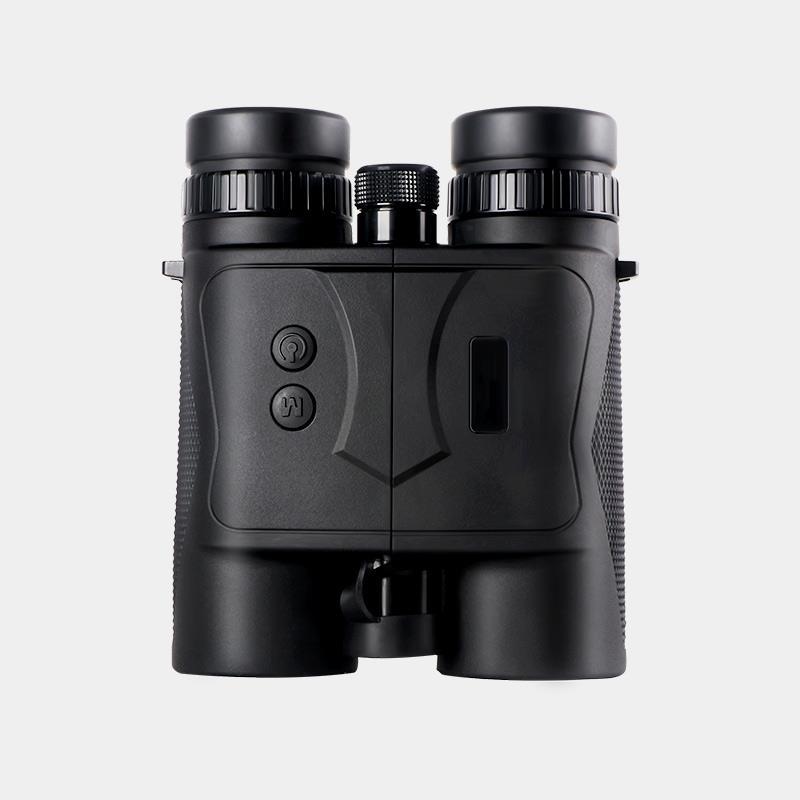
The phase shift idea checks the change in stage between the sent beam wave and the one that comes back. This way often fits jobs that need sharp exactness over close spaces. For example, in tree work or checking small things.
How It Works
Advantages
Limitations
This method shines in tasks where speed and detail matter most.
Triangulation is another usual idea for laser rangefinders. It fits well when a straight view is hard or not useful. This way uses shapes to find the space. It checks corners and uses math for shapes.
How It Works
Advantages
Limitations
Triangulation adds flexibility to tricky setups.
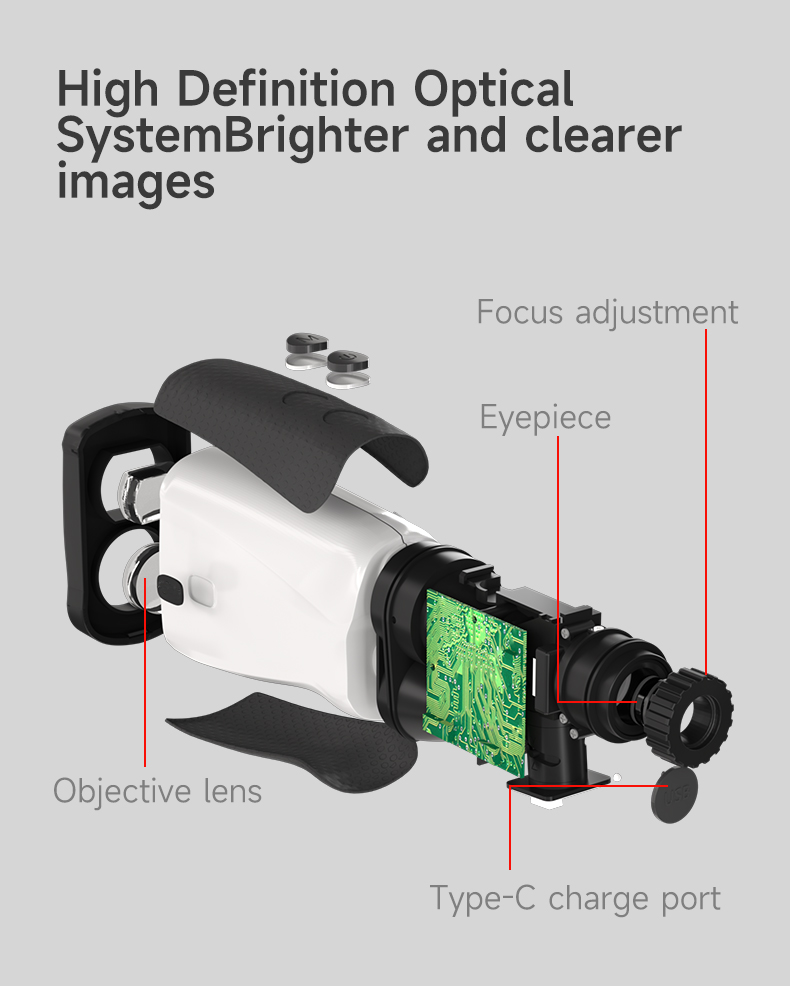
Various jobs call for different kinds of laser rangefinders. For far spaces, a time-of-flight type is best. If you want sharper reads over close areas, phase shift could fit well. For tough checks in hard spots, triangulation types might work best.
When picking a laser rangefinder, think about these things:
These tips guide you to the right choice based on what you do.
Hemusun Optical Instrument Co., Ltd. has earned a good name as a top giver of fine light products. This includes laser rangefinders. With a push on new ideas and sharp work, Hemusun makes sure its items hit high marks in the field. The firm aims to give steady and exact answers for workers in many areas. These cover ground checks, building, and outside games.
Hemusun's role highlights reliable options in the market.
Getting the various ideas behind laser rangefinders helps you pick smarter. These ideas are time-of-flight, phase shift, and triangulation. They aid in choices for the right gadget for your jobs. You might measure far for army work, do exact checks for build plans, or play games like golf or hunts. A laser rangefinder boosts your speed and exactness.
By stressing how these techs apply, Hemusun keeps leading in light new ideas. It offers items that stand out in run and steadiness. If you are a worker needing exactness or a fan seeking fresh light tech, Hemusun has fitting answers for you.
This wrap-up ties back to the key points discussed.
Laser rangefinders with time-of-flight give strong exactness. They often read within tiny bits. But exactness can shift with outside things like heat and wet air. These might change the beam's trip time.
Yes, lots of new laser rangefinders work in dim spots. They fit many light states, even low ones. Yet, they might not do as well in full dark. Unless they have special add-ons like red light tech.
Triangulation types work great for close reads and 3D maps. People use them in work spots like building and space checks. There, view to the spot might get blocked.
To keep it running long, clean the glass often. Shield it from bad outside states. Put your laser rangefinder in a safe box when not using it. And tweak it now and then for best exactness.
Yes, laser rangefinders fit inside and outside jobs. For outside, pick one that stands up to weather. For inside, exactness gets better in bright and steady spots.