
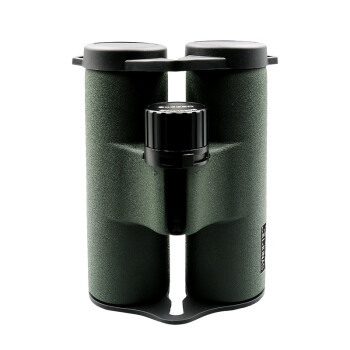
Colored edges draw attention to ED glass binoculars. The acronym identifies a glass choice; it does not describe the whole view. See binocular product options for the product family. A buyer needs three answers: where the colored edge comes from, what the glass contributes, and which parts of the view deserve a close look. Keeping those questions together prevents a material label from standing in for the complete instrument.
Daylight is a mixture of wavelengths. Glass bends those wavelengths by different amounts, so they may not meet at exactly the same image point. Against a bright sky, a roofline or bare branch can then show a thin colored edge. The same fringe can disappear against a low-contrast landscape. Its visibility depends on the boundary being viewed.
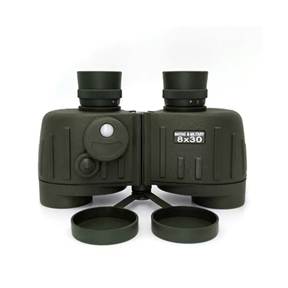
The edge can be viewed near the center of the field and closer to its boundary. Note its position before deciding whether a tint has changed. An ED label says nothing about the finished view at either position.
Focus and handling affect what an observer notices. Record whether a colored border remains after the target is focused as well as possible, then note any difficulty holding the binoculars steady. Keep observations qualitative. They do not reveal a glass grade or lens recipe, but they help a buyer ask for evidence about the image under the intended viewing conditions.
ED is short for extra-low dispersion. A lens material with lower dispersion changes its refraction less from one wavelength to another. ED glass can help control color fringing. It does not specify which element uses the glass, its pairing, or residual color. Those are questions about the binocular.
Lower-dispersion glass is one part of a lens arrangement. The table separates a design principle from a claim about a particular finished binocular in use. It also shows which questions need a sample or technical detail.
| Detail | What it means | Buyer question |
| ED material | Extra-low dispersion glass is named | Which element uses it? |
| Two-color correction | A strong positive lower-dispersion element can pair with a weaker higher-dispersion element, bringing two selected colors together | Does the binocular use this arrangement? |
| Other wavelengths | They may still come to different image points | Is a fringe visible on the intended target? |
| Complete objective | Curvature, spacing, and element placement can affect the image | What layout or sample information is available? |
| Observed result | A sample can show color under stated conditions | Were the target, light, focus, and field position recorded? |
| Brightness and contrast | An ED label provides no measurement of either | How do samples compare on the same viewing task? |
One useful supplier question is which color error the objective is intended to reduce. Another is whether technical information or a sample can show what happens across the field. Compare those answers with the same target and light. A material name does not guarantee a brighter image, better contrast, or sharper detail; these properties depend on more than dispersion.
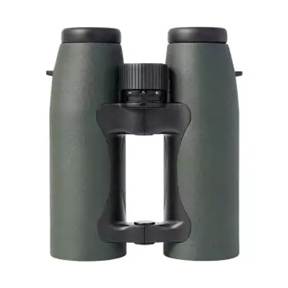
An edge that looks neutral against trees may show color against bright sky. Choose a target that exposes the problem before judging an ED glass sample. A bare branch or roofline works because its stable dark outline is easy to locate again later. A clean result on one target cannot stand for every scene.
Use a dark line against a light background. Set focus while the line is central, then move it toward the field edge without changing target or light. Note any color on the line and whether changing focus alters it. Keep field-position and focus changes distinct.
When two samples are available, keep the target and viewing position fixed. One view in shade and another in glare would make the comparison difficult to interpret. If the light changes, record it. For each sample, note the background, target position within the field, focus setting, and any tint beside the edge. Those notes give a supplier something to address without pretending that the ED label measured a performance difference.
An unstable hold can make a fine border difficult to judge. First find a comfortable eye position and set focus without rushing. Then check the optical edge. If one binocular is awkward to hold or the focus control is hard to settle, record that as a handling issue. Do not attribute the difficulty to dispersion. A buyer who expects long periods of handheld use should include comfort and control in the same sample review, while keeping those observations separate from color correction.
The phrase “ED glass” belongs in an inquiry, but it should not be the whole inquiry. Start with the viewing task. If distant branches against a bright sky are common, say so. Ask what can be checked on that sort of edge at the center of the view and nearer its boundary. Keep the sample conditions close to the buyer’s viewing conditions.
Request details about the objective rather than a promise based on its material. Which element uses ED glass? What information is available about the assembled design? If a sample is offered, pick a target that resembles the intended use. Record the target, light, focus, and any colored edge. Without a measured result, those notes cannot become a numerical chromatic aberration specification.
A short sample request can include:
The same notes help when a second sample is considered. A faint tint on an uncommon target may carry little weight; a color border on a scene viewed every day deserves closer attention.
Hemusun Optical Instrument Co., Ltd. researches, develops, manufactures, and sells optical instruments. OEM, ODM, wholesale, and retail services are available. For an ED glass binocular inquiry, send the viewing conditions and the edge that matters to Hemusun’s inquiry team. Ask which design details are available and whether a sample can be checked on that target. A scene is a better starting point than an ED material label alone.
An inquiry is easier to answer when it carries an observation: target, light, field position and focus. ED glass binoculars still need that check because a material name cannot report the view through an assembled objective. Compare samples on a repeatable edge. If a border would distract during regular use, describe exactly when it appears. The supplier can respond to a specific image question.
These answers cover common questions about ED glass binoculars after a sample check.
It means extra-low dispersion glass is used in the optical design. The material can aid color correction; the label does not show the lens arrangement or the finished result. Ask which element uses it if that detail matters to the current purchase decision.
No. Two selected colors may share a focus while others remain apart. Check a high-contrast edge at the relevant field positions, and ask which conditions any supplier measurement describes.
No. A shaky hold and difficult focus control can affect the viewing experience. Record those issues separately from any color beside an edge; they call for different questions. Comfort matters during long handheld sessions, especially if keeping a fine target in view becomes difficult.