
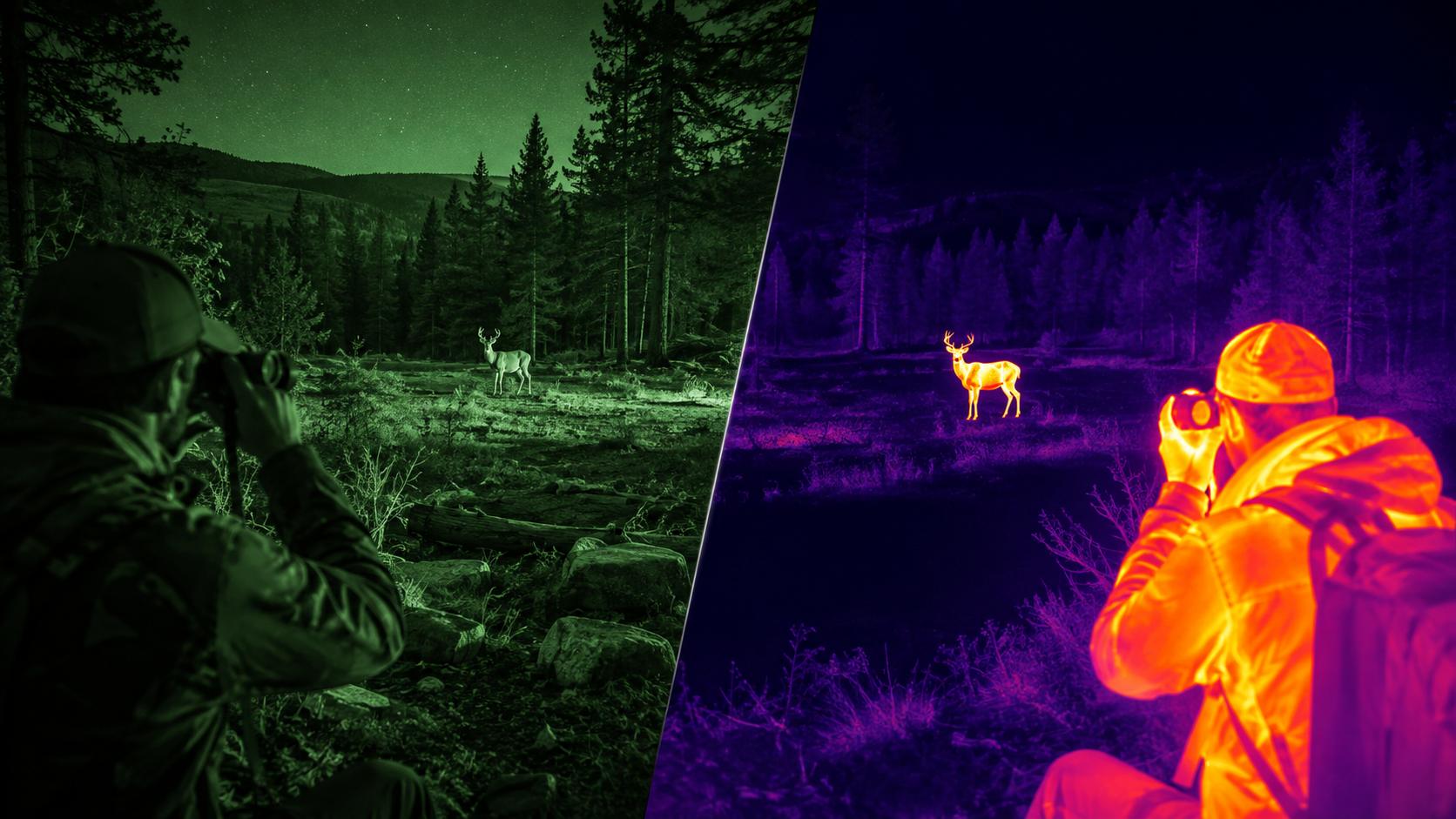
Outdoor activities after sunset need good vision gear. Picking between digital night vision devices and thermal imaging is not always easy. Both help you see better in the dark. Yet they work in very different ways.
It becomes imperative for such individuals to choose between the two options. The correct choice will depend on the intended use. Digital night vision equipment enhances the existing ambient light. The images obtained have a lot of clarity and detail. Thermal imaging relies on heat differences from the individual, animals, and objects in the environment.
It is therefore vital for one to understand the difference between digital night vision vs thermal imaging in order to make the correct selection. One could be interested in identification of the target, tracking or just observation of the environment in difficult conditions. The better match makes night work safer and more useful.
Digital night vision devices use special image sensors. These sensors gather tiny amounts of light that still exist. Then they turn that light into pictures you can see. When natural light is very low, infrared light can help. It makes the view clearer in dark places.
These devices are not like old optical tools. Modern digital night vision mixes image sensors, infrared night vision technology, digital screens, and small body designs. The result is gear that works well outdoors.
The biggest plus of digital night vision is the level of detail in the picture. You can often tell shapes, colors, and parts of the scene more clearly than with thermal imaging.
Key benefits include:
For camping, hiking, watching wildlife, or finding your way at night, digital night vision gives a more natural look. It shows the real scene around you instead of only heat patterns.
A digital night vision monocular is popular with outdoor users. It is easy to carry and still gives solid viewing power. You can walk freely while keeping a clear view in places with little light.
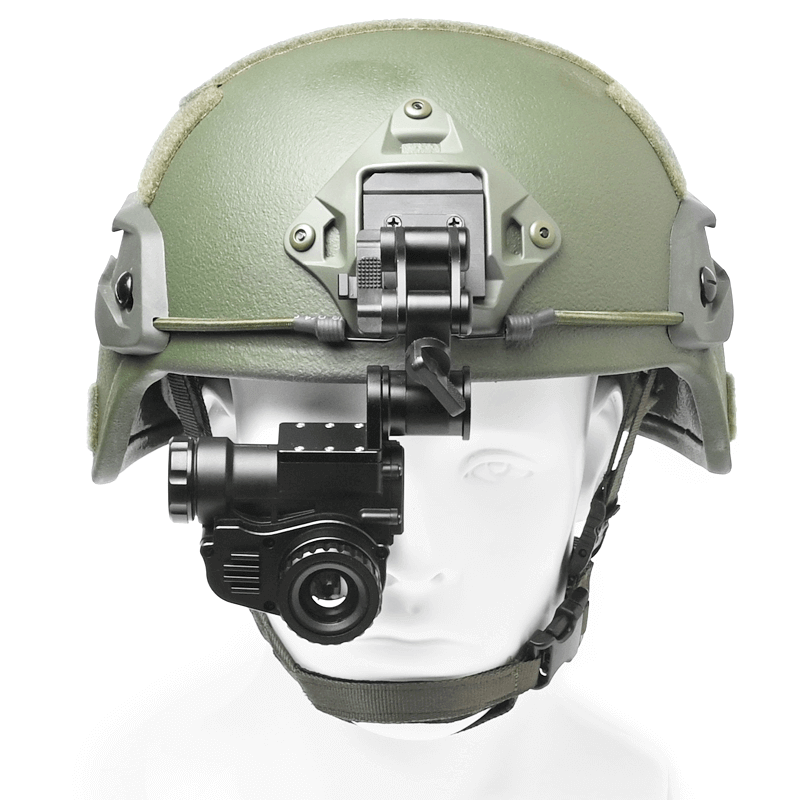
Thermal imaging uses infrared sensors. These sensors pick up heat energy that objects give off. They do not need visible light. Instead, they build pictures from temperature differences between things and their background.
This makes thermal imaging very helpful in total darkness. Regular optical tools often fail there.
The main strength of thermal imaging is how well it finds targets. A warm object, animal, or person stands out from a cooler background even when the view is bad.
Important advantages include:
A thermal monocular for outdoor use is often chosen by hunters, rescue teams, and security staff. It helps spot targets fast before you need to look closer for details.
Digital night vision devices and thermal imaging both help with night viewing. Still, their methods serve different goals.
| Feature | Digital Night Vision Devices | Thermal Imaging |
| Working principle | Enhances available light | Detects heat radiation |
| Image appearance | More similar to normal vision | Heat-based image display |
| Darkness performance | Requires some light or infrared support | Works in complete darkness |
| Target identification | Excellent for recognizing details | Better for locating targets |
| Weather resistance | Limited in fog or smoke | Stronger in challenging conditions |
| Typical users | Outdoor enthusiasts, hikers, wildlife observers | Hunters, security users, rescue teams |
This decision depends primarily on one thing only. Would you like to spot objects or identify them?
While in case you have to identify the situation, it is better to go with digital night vision. If heat source detection is your priority, then thermal imaging is the way to go.
Different outdoor settings create different needs. No single device works best in every case. The right pick depends on the job at hand.
For hunting and tracking wildlife, both tools can help.
Thermal imaging for hunting works well because animals give off heat. You can spot them even when they hide in the dark or behind plants. It lets you find movement before you get closer.
Digital night vision devices give better visual information. You can watch how animals act, see the area around them, and notice natural details more clearly.
A practical approach is:
This mix covers both finding and studying the target.
Outdoor explorers usually want light gear. It should raise safety without adding much weight.
Outdoor night vision devices fit hiking and camping well. They offer:
For casual outdoor trips, digital night vision is often the cheaper and more practical choice.
Security work often needs fast detection and clear watching.
Thermal imaging can quickly show unusual heat sources over large areas. Night vision gear can then give sharper pictures for checking details.
Using both together builds a stronger night observation system. One finds the problem. The other helps confirm what it is.
Picking the right gear means thinking about the place, the distance, and the goal.
Before you buy, ask yourself:
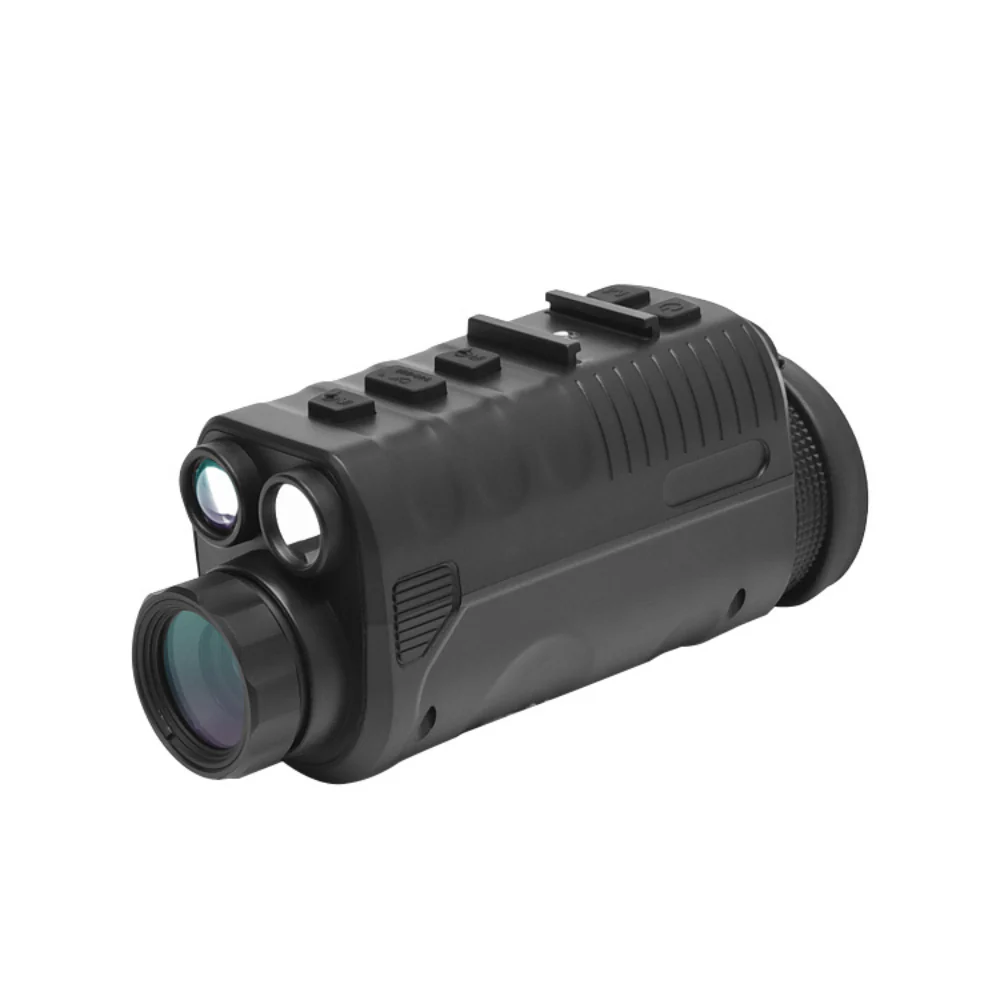
A digital night vision monocular suits users who want low-cost night viewing with good detail. A thermal monocular is better for users who need heat detection, tracking power, and solid results in hard conditions.
The best night vision device for outdoor use is the one that fits the real job. Highest specs alone do not always win.
Many professional users pair both tools. Each solves a different problem.
Thermal imaging acts as a detection tool. It quickly shows if something is there. Digital night vision acts as an identification tool. It gives clearer visual facts about what has been found.
For example, during wildlife watching, thermal imaging may help locate an animal in a forest. Then digital night vision lets the observer study its shape and movement.
This combination raises efficiency. It also gives a fuller night observation experience.
Hemusun Optical Instrument Co., Ltd. is a supplier that focuses on high-quality optical products. Its work covers optical research and development, manufacturing, and custom solutions. The company aims to supply reliable optoelectronic gear for different settings. These include outdoor viewing, professional use, and special optical needs.
With experience in optical design, precise manufacturing, and quality control, Hemusun builds a range of products. These include night vision devices, thermal imaging equipment, monoculars, and other optical tools. Its production includes OEM and ODM services. Customers can create custom optical solutions based on their own needs.
The company’s night vision product range is made for wildlife watching, outdoor trips, hunting, and professional night work. The solutions stress practical performance, easy carrying, and steady operation in low light.
Digital night vision devices and thermal imaging both bring useful strengths for outdoor work. Yet they fix different problems.
For individuals who seek images that are sharp, clear vision, and affordable night observation, digital night vision is suitable. However, thermal imaging is more appropriate for identifying hot spots, target tracking, and total darkness operations.
Getting to know the difference between digital night vision vs thermal imaging helps one to be able to make an informed choice. This depends on the location and objectives. Regardless of whether one wants to engage in hunting, wildlife viewing, camping, or any other task, choosing the correct optical technology can improve one’s night vision significantly.
Digital night vision devices improve visibility by boosting available light. Thermal imaging detects heat signatures from objects. Night vision shows more visual details. Thermal imaging focuses on heat detection.
Digital night vision devices usually need some available light. Infrared illumination can improve visibility and allow use in very dark settings.
Thermal imaging for hunting is often better for finding animals because it detects heat. Digital night vision may be better when detailed identification and natural viewing matter more.
The best night vision device for outdoor use depends on the activity. Digital night vision suits hiking, camping, and observation. Thermal devices are ideal for detection and tracking.
Yes. A thermal monocular is useful for hunting, wildlife observation, security, and search work. It can detect heat sources in darkness and difficult conditions.