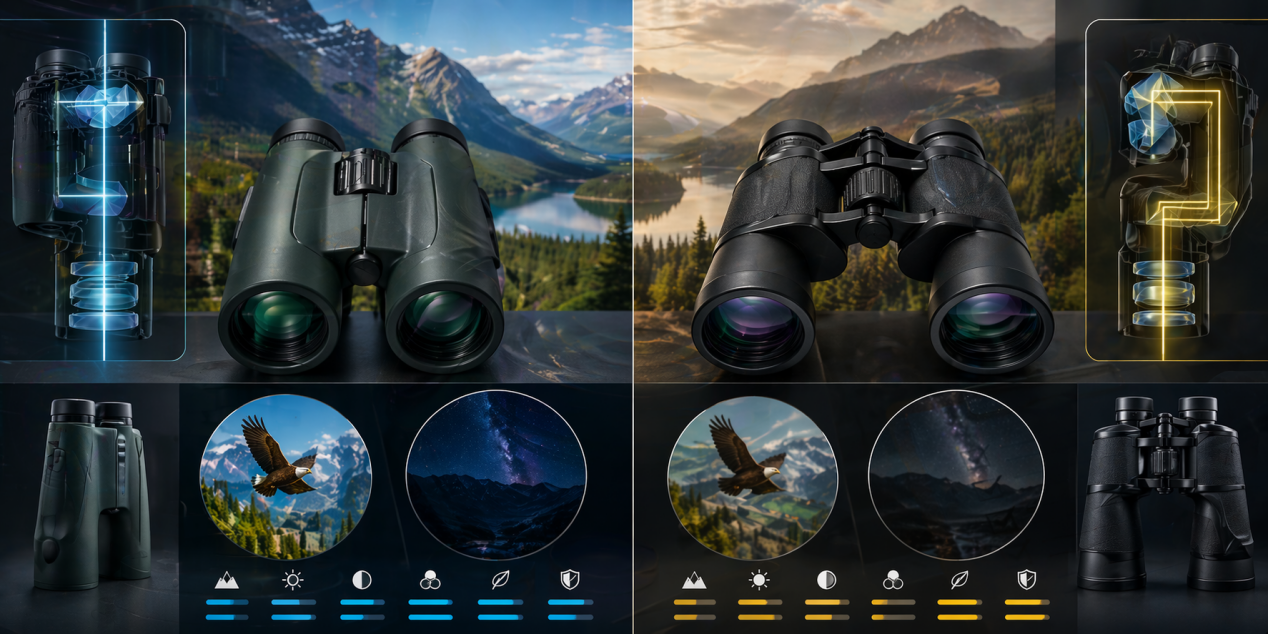
Binocular prisms play a key part in optical engineering. They fix the upside-down image from the objective lenses. Without this fix, the view would look reversed and flipped. That would make the binoculars useless in real life. Prisms also affect the binocular's size, weight, and how well it works. Two main prism types lead in today's binocular designs. These are Porro and Roof prisms. Each type has its own light path from the objective lens to the eyepiece. This path shapes the image's brightness, sharpness, and the overall build.
The story of binocular prism systems started in the 1800s. That's when Porro prisms first appeared. Their special light path gave wide 3D views. It also boosted the sense of depth. This was a big step toward more real-looking sights. Later, Roof prism designs came along. They focused on being small and easy to carry. At the same time, they kept sharp optics. Over the years, better coatings and materials have helped both types. They now let more light through. They also give better contrast and last longer. These changes still guide how experts compare binoculars in different areas.
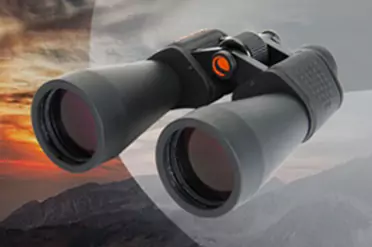
However, to fully understand their performance in real-world use, it is important to also look at their key advantages and how they compare in practical viewing situations.
People can spot Porro prism binoculars by their bent light path. It makes a clear zigzag shape. This setup puts the objective lenses farther apart than the eyepieces. As a result, it improves depth sense and tells near objects from far ones better. The bigger body gives it a unique look. Plus, it helps light pass through more easily. That's because it uses fewer spots where light bounces compared to Roof types.
Porro prism binoculars have clear benefits. They suit people who want deep viewing experiences. The wider space between objectives creates a strong 3D image. This gives a real feel of depth. Making them is straightforward. So, they don't need exact alignment. That keeps costs down while holding good optical standards. Also, Porro types shine in bright images. They lose less light inside. This helps in dim settings, like watching stars or animals at twilight.
Porro models have strong optics, but they have downsides in handling and toughness. Their larger size makes them harder to carry on trips or in the field than Roof types. Bumps can knock parts out of line. That's due to several moving pieces in the prism setup. On top of that, making them fully waterproof is tougher. The bent design needs a tricky outer shell.
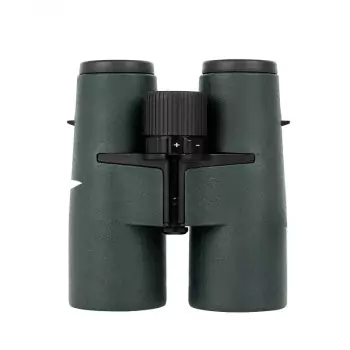
Shifting from Porro systems shows how Roof prisms changed binocular builds. They did this with smart, space-saving ways.
Roof prism binoculars have a direct light path. Light goes straight through the lined-up lenses and prisms. This leads to a thin shape that's great for carrying around. But it calls for careful making to keep the image clear. Light can shift phases from bounces inside. To fix this, special coatings go on the prism faces. They make sure the view stays sharp and colors true across what you see.
A main plus is their light weight. This makes them easy to take on outdoor fun, like walks or games. Closed shells keep out dirt and water well. So, they work fine in tough spots. The smooth shape feels good in the hand for long looks. Experts who move a lot like this. They get good views without giving up ease.
These perks have a price. Making them is more involved. That raises the cost over Porro types. If coatings miss phase fixes, light can fade from clashing waves at the roof joins. Also, the closer objectives narrow the view area. This can limit how well you sense space in wide or moving scenes.
Looking straight at Porro and Roof setups shows key differences. These affect how users feel about the view.
Porro prisms often make brighter pictures. Their basic paths cut down on light loss from bounces. Roof types need special layers, like dielectric ones, to match that brightness. The view area is usually wider in Porro models too. This helps you stay aware in big scenes, vital for watching or wide scans.
Porro stands out for real depth. The bigger gap between lenses boosts the 3D effect. Roof prisms give a more even image plane. This fits close looks at far spots where extra depth isn't needed.
Picking one design over the other ties to what you'll use them for and the surroundings.
Porro types do well in set spots or dim light. Think stargazing or birdwatching from one place. Here, steady hold matters more than easy carry. Roof kinds rule in on-the-go spots. Like paths, sports fields, or trip photos. Their small size and tight seals handle changing weather reliably.
On money matters, beginners often pick Porro. They give solid work for less cash without big drops in sharpness or light. Roof types cost more upfront. But they last through sealed builds that fight water or fog inside. This makes them key for pro gear that needs to endure.
Comfort goes past just weight. How weight spreads affects steady holds in long sessions. Grip shapes cut down tiredness too. Porro and Roof handle this in their own ways. Porros put weight up front. Roof models keep it near your hands for better balance when holding by hand.
New ideas keep improving both optical styles. This happens through better coatings and material finds.
Phase fix coatings are vital for Roof types. They cut down twists from light bounces inside. Many-layer coatings that block reflections help light pass better at all glass-air spots. This works for any prism kind. The result is brighter views with true colors, even in hard light.
Things like magnesium alloy frames cut weight but keep strength against bumps in the field. Rubber covers add a sure grip. They also soak up shocks. This is key for rough lands or sea spots where drops happen often.
To wrap up our look, it's helpful to see how each type works in real watching situations.
Roof prism binoculars are popular with explorers. They like the light weight on long walks or safaris. It helps keep energy up. Porro units shine for still animals in dim woods. Their strong light hold works well in low glow.
Astronomy fans want max light in dark skies. Porros give top brightness for clear star details. Sealed Roof types do great on boats or shores with salt air. Their tight insides stop water from getting in.
Hemusun Optical Instrument Co., Ltd. is known worldwide as a solid binocular maker. They focus on exact optics. This includes both Porro prism binoculars and Roof prism binoculars. These fit pro uses like defense tools and outdoor gear. Their push for new coating tech keeps optical quality steady in all items. They also hold fair prices for different buyers needing reliable sight aids.
Porro prism binoculars and Roof prism binoculars each have special strong points. These come from past changes and tech upgrades. Porros give great 3D realness for still watches that need bright images. Roof types offer top small size for moving field work. They stand up to tough surroundings. In the end, good binocular comparison matches light needs against carry ease with your main tasks. This brings the best fit for areas from stars to scout work.
Porro prisms naturally provide stronger depth cues. This comes from wider objective spacing. It boosts stereoscopic separation between viewed objects.
Yes. Despite higher making costs from tricky alignments, they give better toughness. Sealed waterproof builds suit hard outdoor tasks.
Clean often with safe lens tools. Store in dry places to keep coatings good. Check alignments now and then. This stops line shifts and keeps optics true for years of use.