
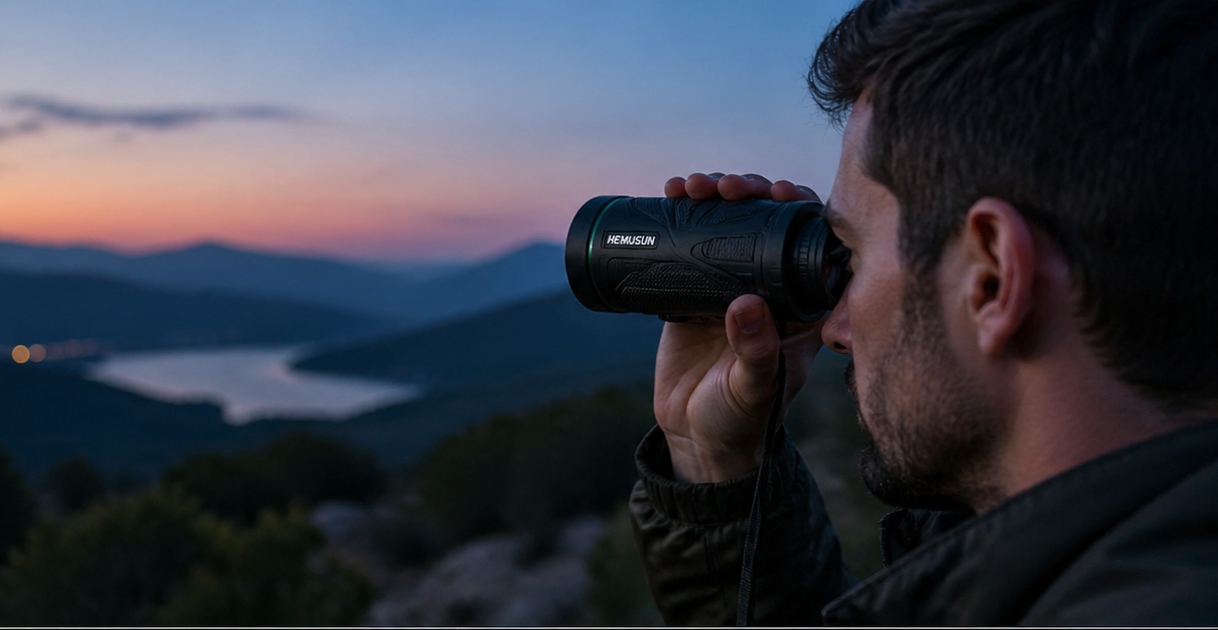
Watching far objects in dim settings brings real hurdles. Low light cuts sight. It softens details. And it boosts hand shake effects. The aim might be animal watching, night walks, star viewing, or simple outside trips. To get sharp and clear pictures, you need good gear. You also need exact methods fit for dim spots. One-lens monoculars offer a solid fix. They mix easy carry, handiness, and strong sight work. Knowing what they can do and how to use them right is vital. This helps boost watching quality in dim cases.
Dim spots, like early dawn, evening, wooded zones, and cloudy nights, bring several watching issues:
Seeing these issues aids users in picking aimed plans. It also helps choose gear tuned for dim work.
Picking the right monocular matters a lot. Main parts to check include sight work, steadiness, and fit for the planned spot.
Feature | Recommended Range for Low-Light Use |
|---|---|
Lens Diameter | 42–50 mm |
Magnification | 6x–10x |
Exit Pupil | 5 mm or greater |
A monocular that fits these parts makes sure dim pictures stay bright and full.
Hand shake stands as a usual block in dim watching. Optical image stabilization tech cuts this. It makes up for tiny moves. Users can keep clear pictures without full trust in stands. Steadying works well for long animal or sky body watches. It lessens eye tiredness. And it raises detail finding.
Outside tasks need tools that carry easy and hold up. Light monoculars aid long walks or long field work. Tough, weather-proof build guards the item from wet, dirt, and chance falls. Small shapes store simple in packs or clip to belts. This makes them useful for both easy and work use.
Feature | Benefit | Practical Tip |
|---|---|---|
Large Objective Lens | Brighter images in low light | Choose 42–50mm for night observation |
Optical Image Stabilization | Reduces hand shake | Combine with tripod for best clarity |
Moderate Magnification | Balances size and stability | 6x–10x is ideal |
Portable Design | Easy to carry during hikes or camping | Lightweight and weather-resistant models preferred |
Wide Exit Pupil | Maximizes light reaching the eye | Look for 5mm or larger |
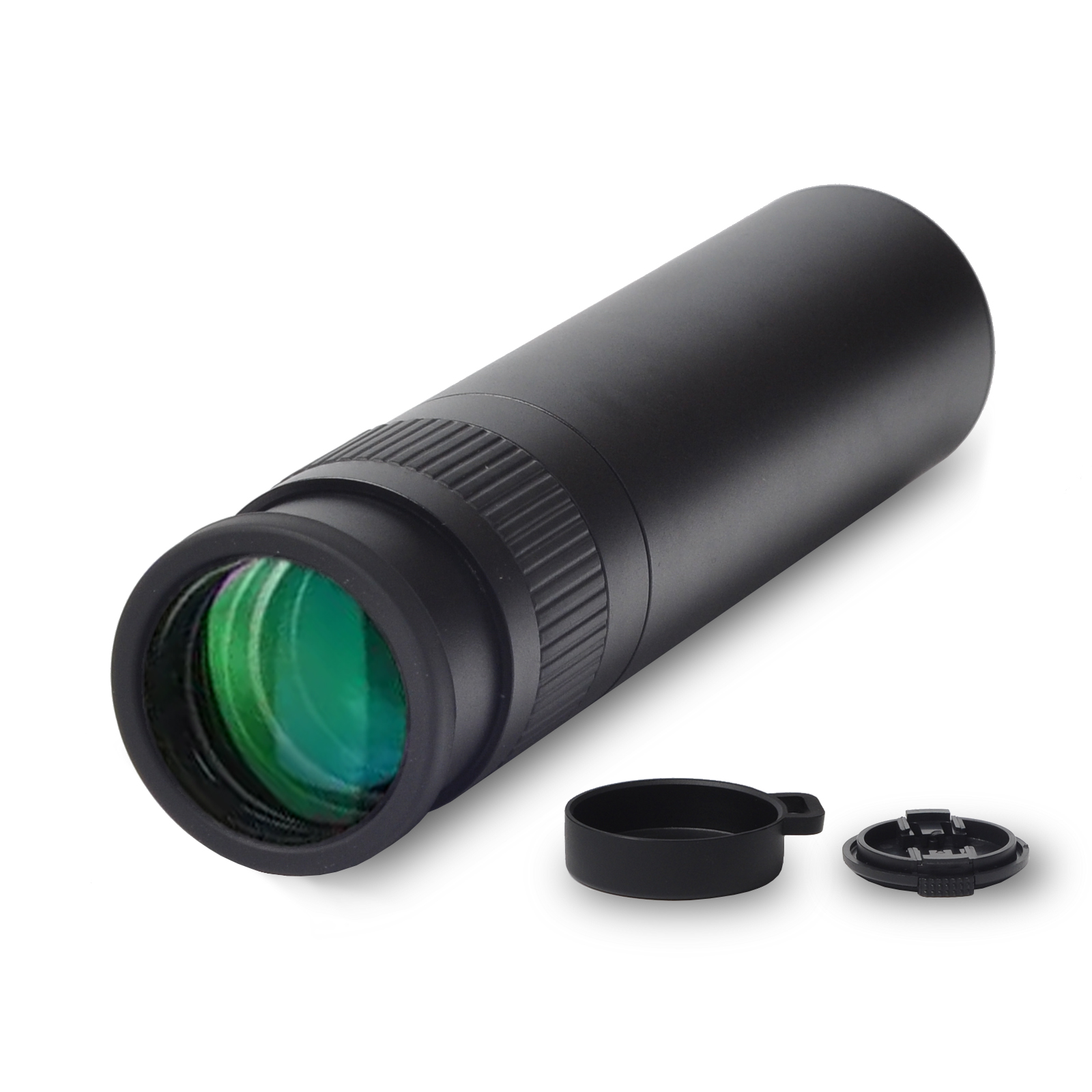
Good gear alone does not fix everything. Right method shapes watching results a lot.
Varied dim spots need custom plans.
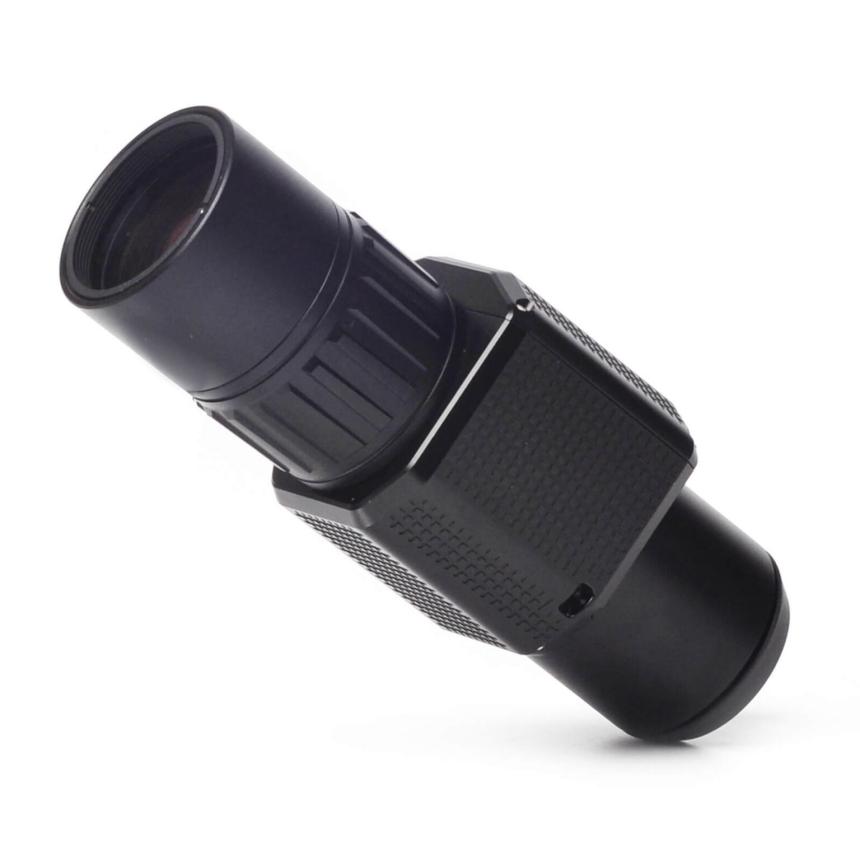
Hemusun Optical Instrument Co., Ltd. gives a set of strong sight tools made for work and fun. The firm stresses study, fresh ideas, and exactness in its lines. Parts like optical image stabilization, top lens covers, and solid build make Hemusun monoculars fit for dim animal watching, star gazing, outside trips, and field work. Their fixes serve single fans and business buyers who want reliable, custom sight tools. With strict quality checks and care for real use, Hemusun makes sure even work in many tasks.
Handling dim watching with a monocular takes more than picking the right item. It means grasping spot issues, choosing sight tools with enough brightness and steadying, and using strong watching methods. This applies to animals, stars, walks, or study. Mixing right gear with aimed plans lets clear and full views in faint lit spots. Hemusun monoculars give needed parts for even, top watching. They stay easy to carry and tough, which fits work and fun use.
Regular low-light monoculars raise sight under low around light. But they do not replace night vision tools in full dark.
It cuts visual hand shake effects. This makes a firmer, clearer picture even with long zoom.
Fair zoom, often 6x–10x, matches steadiness and sight. Stronger zooms might grow shake and cut sharpness.
Regular wipes, lens guards, and storage in clean, dry cases help keep sight work.
Yes, mainly those with big objective lenses and fine covers. Pairing with a stand boosts steadiness. It allows full sky object watches.