
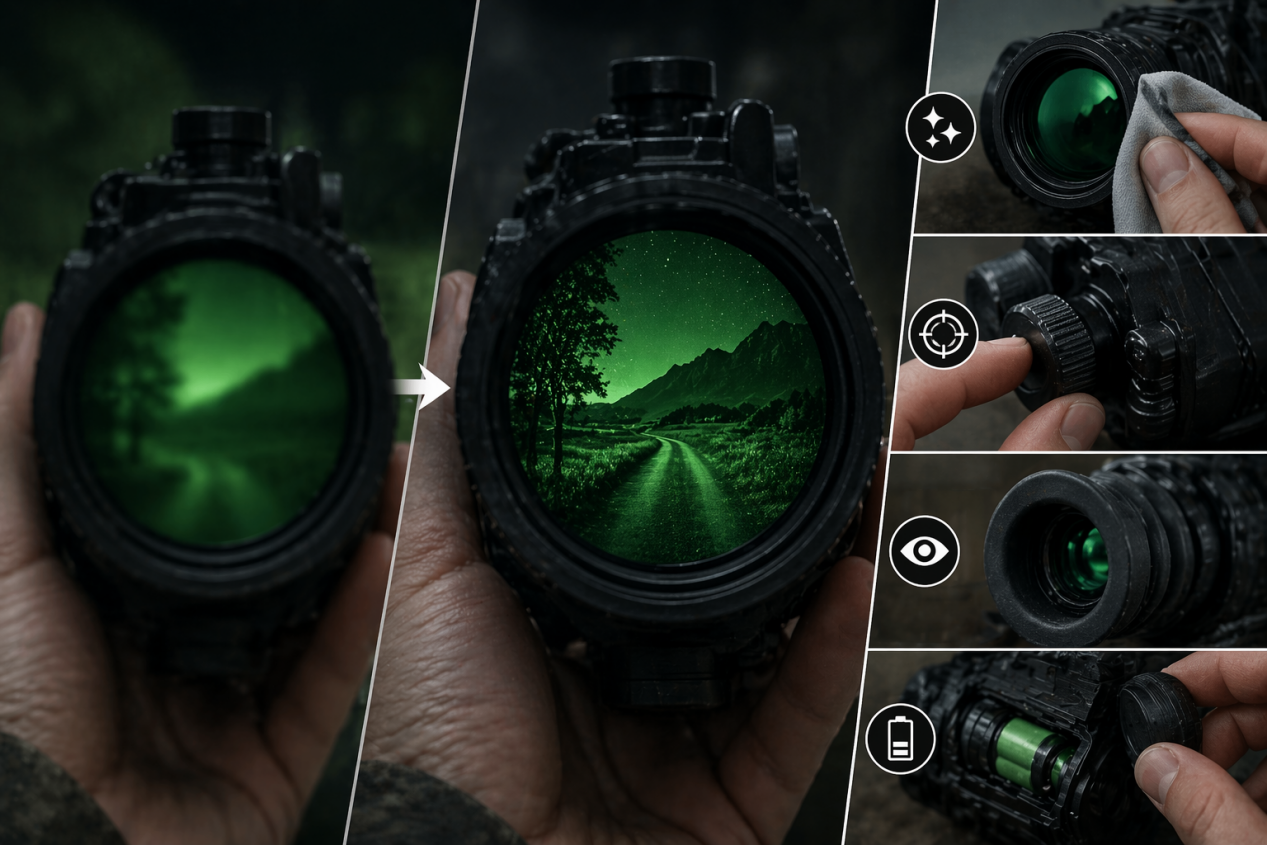
When experts run into a night vision device that shows a fuzzy or unclear picture, their work can suffer a lot. A blurry night vision image lowers the ability to spot targets right. It also harms how well they judge distances and understand the situation in key tasks. Clear images matter a lot. They help people make sense of things in dim light. This piece looks at the key reasons for night vision not clear. It covers simple ways to fix sharpness fast. Plus, it shares basic care tips to keep top optical work going strong.
While external conditions can blur the image, internal system stability is just as critical for maintaining consistent clarity.
The top reason for blurry night vision is often lens setup problems. If the front or eye lenses are not set right, people see twisted or out-of-focus views. Small changes in the inner parts can lead to double sights or spotty fuzz in the view area. These troubles usually come from bumps or bad handling while moving the gear. Checking and setting it often keeps all lens parts in line. That way, focus and detail stay even across the whole field.
Weather and surroundings have a big hand in making pictures less sharp. Lots of moisture, quick weather shifts, or mist can make water drops on lenses. This spreads light and cuts down on contrast. Dirt bits and junk piling up on outer lenses block light flow. That leads to foggy sights. Also, bright outside lights like car beams or road lamps can add shine or rings. These hurt the overall detail. Lens covers that fight fog and shields help cut these outside effects.
To connect these ideas, let's move to power and tube issues next. They can play a key role too.
The sharpness of a night vision device relies a lot on steady power and tube condition. Low or shaky batteries mess up the power control in the light booster tube. This causes flickers or weak output. As tubes get old, they show more static, uneven light spread, or less boost power. All that adds to fuzzy images. Power ups and downs make it worse by messing with signal boost steadiness. So, regular checks on the electric parts are a must for solid work.
Once you spot the likely reasons, a few fixes can bring back top sharpness in no time.
First, turn the front and eye focus knobs until mid-distance items look clear. This pair of tweaks keeps close and far things sharp together. Do the reset after big weather changes or hits. Such things can nudge the lens setup a bit. For best results, rest the gear on a steady spot while tweaking. That stops shakes from causing mistakes.
Before you clean, make sure no power runs to it. This avoids harm by mistake.
Pick soft cloths made for lenses. Pair them with safe cleaning liquids okayed for optics. Wipe off marks without harming the special layers. Do not touch inside parts with hands. Use gentle brushes or air puffs to clear dust instead. After cleaning, put your tools in dry spots free of dirt. Add moisture absorbers to cut down on future dirt problems.
If focus tweaks do not help, look at the power setup next.
Check battery power before each use. Low charge hurts light evenness right away. Look at links for rust. Make sure wires stay tight with no worn spots. If the drop in work keeps going even with good power, think about swapping old booster tubes. Use parts from the maker to keep it safe and matching.
Even gear in good shape can lose sharpness from bad habits. So, check how you handle it before blaming machine faults.
Common rough treatment, like drops or too-tight fits, can slowly knock lens parts out of place. Long time near bright lights, such as flashlights or car lights, can wreck sensitive parts made for dim boost. To guard inside bits from overload shocks, always turn off the unit before going from dark to bright spots.
Steady care habits are vital to keep sight sharpness over time.
Do checks often for water leaks near seals and joins. Stuck dampness speeds up rust in the cases. Update software on tech-boosted types if possible. Better code often helps picture handling. Stick to the maker's storage rules on heat and wet levels. This stops early damage to electric lines and lens layers.
Building on these habits, pros take it further with set plans and add-ons.
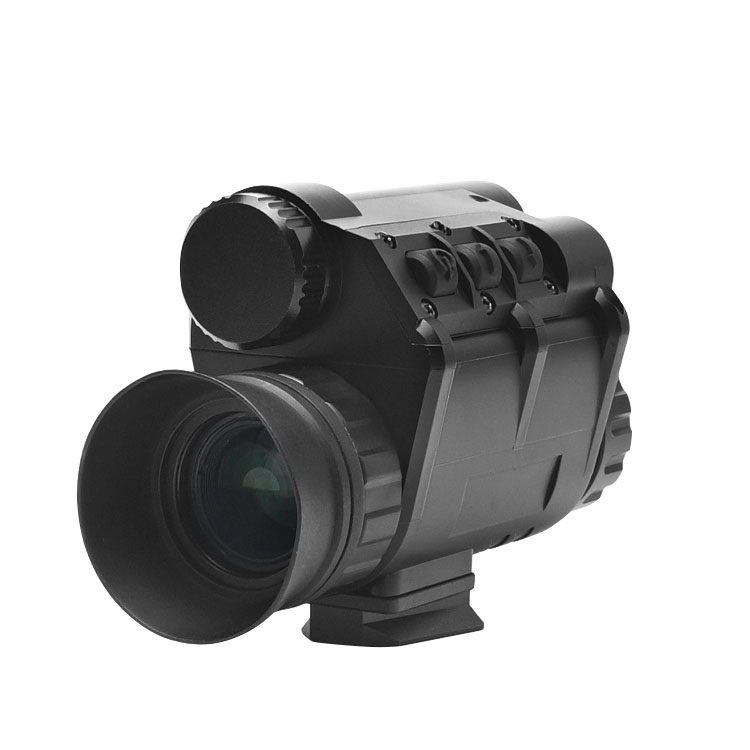
Pro workers count on planned care times and smart extras to keep sharp views in tough spots.
Top users do setup checks before each job. They test for truth in different weather. Regular resets also keep things even when teams use many units at once. This matters for matching sights in group work.
To shift into this part smoothly, note that even well-set systems gain from special add-ons. These boost sight more.
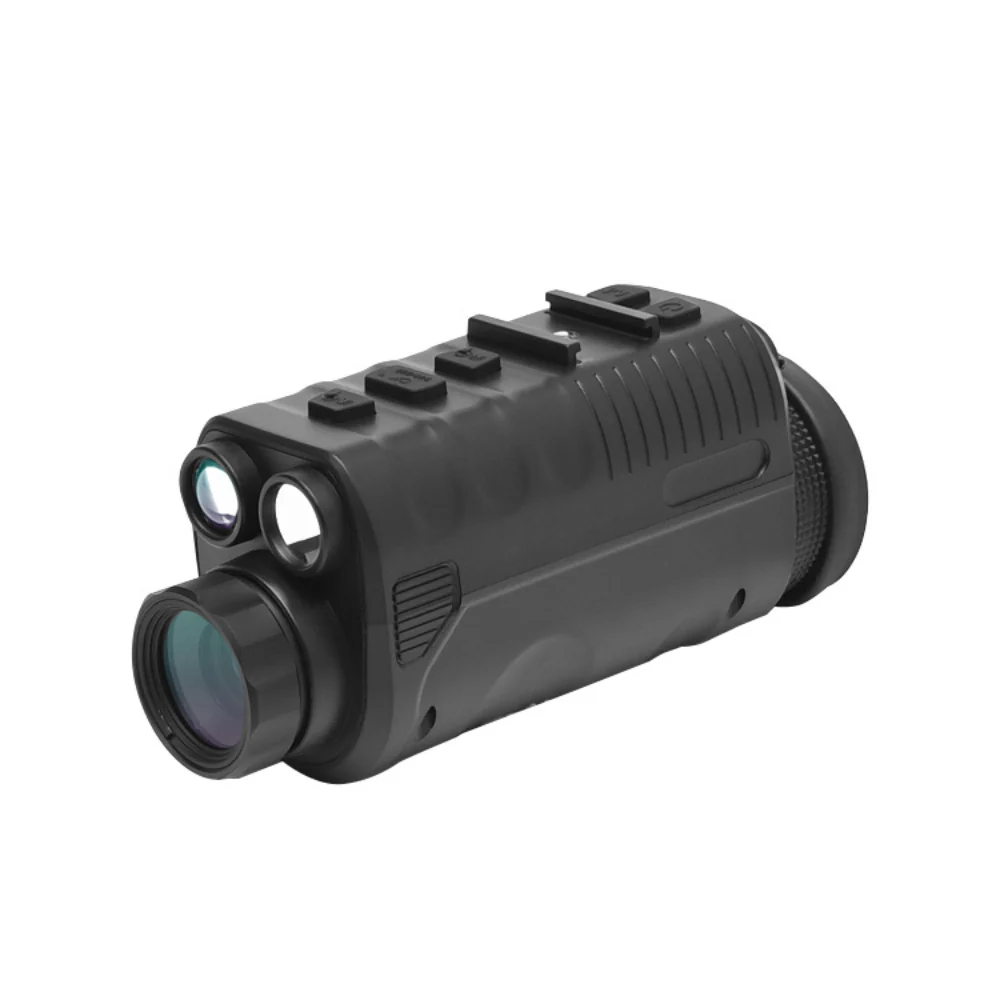
Infrared lights push spot range in pitch-black spots. They avoid sensor overload unlike regular lights. Fog-proof lens layers keep clear in wet areas. They stop water build during long runs. Well-made holders cut shake blur on rough ground or car setups.
Hemusun Optical Instrument Co., Ltd. focuses on strong night vision setups for pro uses. Think security, watching, and animal spotting. The firm stresses lens accuracy, toughness, and custom picks for skilled folks. Their push for quality checks means steady work in all items sold worldwide. Pros facing night vision not clear problems often pick Hemusun. It's due to their solid history in making tough optical tools for hard field jobs.
Fuzzy pictures in night vision setups mainly stem from lens out-of-place issues, outside meddles like wet or dirt piles, and uneven power hitting tube work. With right setup tricks, full cleans using okay stuff, and firm safe hold rules, folks can get clear sights back fast. This also lengthens gear life. Set care plans make sure it stays dependable. So, experts can work sure with sharp views no matter the weather hurdles.
Long runs can build heat inside. This leads to small lens swells or water drops. Let it cool down. Then refocus. That usually fixes it without taking apart.
No. Normal cleaners have stuff that hurts the shine-block layers on fine lenses. Always pick optical-safe liquids from the maker.
For pro trust in mixed field spots, reset every few months. Or right after bumps. This keeps top picture sharpness for jobs.