
The comparison between hunting binoculars and bird watching binoculars matters a lot for experts who need sharp optical tools in the outdoors. Both tasks call for strong devices. However, their designs focus on different goals. Hunters look for distance spotting, good light gathering, and toughness in tough spots. Bird watchers, on the other hand, care about true colors, broad views, and easy handling over long times. By 2026, with optics tech changing fast, picking the best binoculars counts even more. It helps with clear sight and spotting targets right in many settings.
Choosing the right pair boosts not just how well you do but also how you feel using them. Optics pros know that sharp views, easy grip, and fit for weather make a tool work well. So, looking at their differences gives useful tips. This way, experts can pick gear that fits their outdoor needs best.
Now, moving from why they matter to the tech details shows how build choices affect real use.
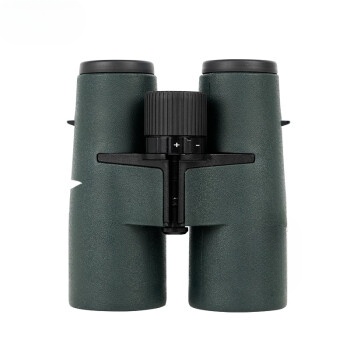
Hunting binoculars usually have power like 10x42 or 10x50. These help spot far-off targets clearly. Bird watching binoculars often use 8x42 setups instead. They mix power with a bigger view area. This is key for following quick birds in thick bushes. High power shrinks the view but gives fine details far away. Lower power, though, keeps images steady. It cuts down on shakes from hands.
The exit pupil size affects seeing in dim light too. Bigger ones, say 5 mm or larger, let in more light to the eye. This boosts views at early light or evening. Such times happen in hunting and birding alike. But hunters need it most for morning sights.
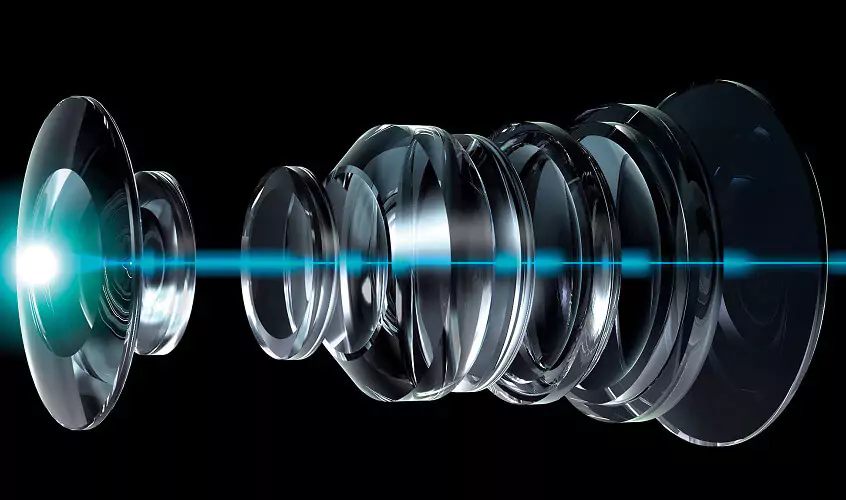
Today's binoculars use smart multi-layer coatings. They push light through better and make pictures brighter. Full multi-coated lenses cut down on light bounces inside. This raises contrast in bright spots like fields or wet lands. Coatings that block reflections help hunters a lot. They scan sunny open areas where shine can hide motion.
Bird watchers need spot-on color show. This helps tell apart small feather differences in birds. So, they pick coatings that keep colors real. Not just ones that boost contrast by itself. This shows how lens work shapes each type for its main job.
How well gear holds up in weather decides if it keeps working steady in hard spots.
Hunting and bird watching binoculars both face water, dirt, and temp changes. Top models have water-tight seals at IPX7 level or better. They also use nitrogen fill to stop fog inside when temps shift. Hunters in rough lands get extra from rubber covers that take hits or falls.
Bird watchers like these tough features too. But they often choose lighter builds over super strong ones. Their hobby means holding them long without rough bumps.
The twilight factor mixes power and front lens size in a math way. It tells how good binoculars work in low light. Bigger front lenses pull in more light. This makes views brighter at dawn or dusk. That's when animals move most. Hunters get an edge from better outlines against dark. Birders count on true colors to name birds under tree shade or gray skies.
After weather checks, we turn to handling ease. This is vital for comfort over long looks.
Smart build affects steady hold in long sessions. Small roof-prism styles are easy to carry. They suit bird watchers who shift spots often. Hunting binoculars weigh a bit more. This helps steady them on rests or holds. Rubber grips stop slips even with gloves or wet hands. They cut tiredness on full-day outings.
Middle focus knobs let you shift focus quick between near and far. This is key for following movers like deer or flying birds. Fine diopter turns set each eye piece for clear sight. They match vision gaps between eyes. Eyecups that twist up fit glass wearers and others. They adjust space to the eye for comfort in any task.
Optical gear comes in wide price ranges. This ties to build materials and exact make.
Basic binoculars work for light users. But they skimp on coatings or strong parts. Pro-level optics cost more for a reason. They use top glass like ED or HD types. These cut color fringes and keep sharp views in all lights. Plus, long warranties show maker trust in lasting build. That's key for experts buying gear to last.
Pros often want gear that works in many outdoor spots.
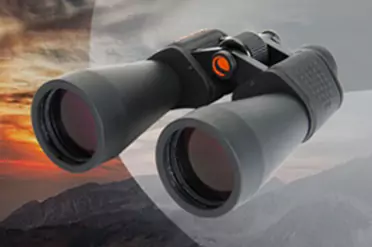
Mixed models with medium power, around 8x42, fit well. They give broad views for birding and clear range for hunting. Light designs for trips now add steady image tech. This fights blur from hand moves. It's great for looks from cars or bumpy ground.
Experts picking all-in-one binoculars should weigh carry ease against lens size. This keeps good sight steady without too much load in varied lands.
Shifting from gear choice to maker trust shows how top build aids pro results.
Hemusun Optical Instrument Co., Ltd. stands out worldwide. It designs strong optical tools for pros in hunting optics, bird watching binoculars, astronomy gear, and tactical scopes. The firm's approach blends new ideas with exact put-together steps. These match global quality rules. Every piece goes through strict tests before sale.
Hemusun Optical Instrument Co., Ltd. offers lines with smart multi-coated lenses. They max out light pass and sharp views. Plus, easy-hold bodies fit long use. Their drive for study-based changes means products use tough stuff against water. They keep true sight in hard spots. Pros around the world value this for solid field tools.
This look-back shows that hunting binoculars and bird watching binoculars share base sight rules. Yet, their tweaks fit exact task needs. Hunters go for strong power, tough build, and dim-light sight. Birders pick true colors, wide angles, and light handling. Prices often match real gains in coating smarts and part strength. Not just name value.
With sight tech pushing forward into 2026 markets, matching specs to use stays key. It maxes out spot-on looks across fields. From dawn animal tracks to bird names under trees.
For broad use, 8x42 binoculars give a fair mix of view width. They suit moving hunt targets and close bird checks without much hand shake.
Yes, top lens coatings boost light pass a lot. They cut shine and hold color truth. These are musts for pros wanting steady clear views in any setting.
Special gear shines in its area best. But high all-round binoculars can do great in hunting, birding, and trips. Pick them with even power, broad view, and strong make.