When you head out for a hunt in rough ground or track a deer from far away, getting the distance right matters a lot. The land is not always flat. Shots that go uphill or downhill can change your numbers in big ways. This is where angle compensation in hunting rangefinders steps in as a key help. In this piece, we explain what angle compensation means in clear terms. We show why it helps hunters so much. We also guide you on how to pick a rangefinder that fits what you need.
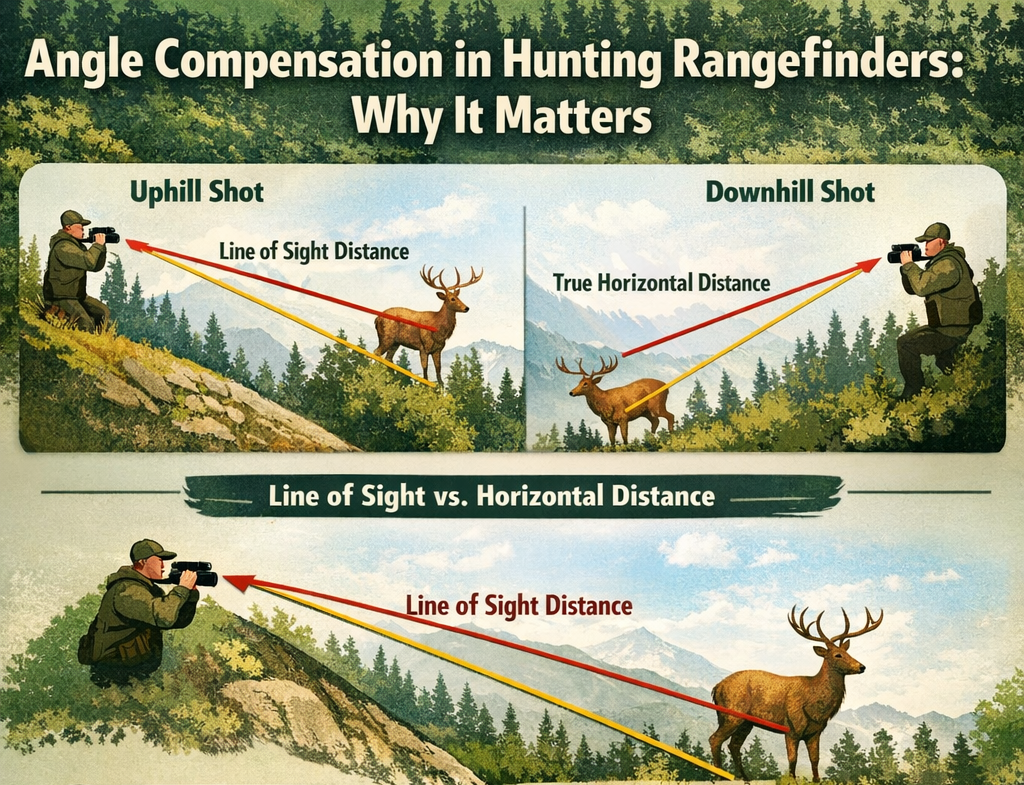
Angle compensation is a useful feature. You see it in many modern hunting rangefinders today. It fixes the slope or the steep part of the land. When you aim up a hill or down a hill, the straight line distance to your target is not the same as the flat distance. The flat distance is what you would use on level ground. Angle compensation takes care of this gap. It gives you the correct flat distance to the target. This works no matter how steep the land gets.
You might wonder why this difference happens. The rangefinder looks along the direct path through the air. But your actual shot follows a path that matches the flat ground below. This is a big deal in hunting. Without the fix, your numbers would be off. So the feature steps in to make things accurate every time.
In a normal hunting trip, you often face targets on a slope. This comes up in bow hunting or mountain hunting. Without angle compensation, the distance you get from the rangefinder might not match the real flat distance. You need that flat distance to figure out how your shot will fly.
Take this example. You aim uphill at a deer. The rangefinder shows the straight line distance. But because of the slope, your real shooting distance on flat ground is shorter. Angle compensation calculates the flat distance from the slope. It does this step by step. This makes your shot path more correct than before. You avoid big mistakes this way. Hunters rely on it to stay on target.
Angle compensation is very important in certain kinds of hunting. It makes a real difference in two main types.
Bow hunting needs shots that are very exact. This is true at all kinds of distances. Bow hunters run into targets that sit uphill or downhill quite often. Arrows do not fly in a straight line. They travel in a curve instead. So the gap between the straight line distance and the flat distance can cause big problems. It changes where the arrow lands.
A rangefinder with angle compensation gives the hunter the real flat distance. He can then adjust his shot the right way. This raises the chance of a good hit. Without it, the hunter might guess wrong and miss. So the feature is a big help for bow hunters who want success.
Mountain hunting happens in steep land. The shooting angles are often hard to guess. The ground forces you to aim up or down at many targets. Without angle compensation, it is easy to read the distance wrong. You could miss the shot completely. Or you might spend time fixing your aim over and over.
For hunters in the mountains, a rangefinder with angle compensation is a must-have tool. It delivers correct distance numbers even in the toughest spots. This keeps the hunt smooth and effective. You stay ready for whatever the land throws at you.
Angle compensation takes the slope it measures and uses a simple math rule. It then finds the true flat distance. Most rangefinders with this feature first check the angle of the slope. They use that detail to adjust the distance reading. This gives hunters a reading they can trust. It is key when you need to change your aim.
Here is a simple breakdown of how angle compensation works:
This whole process happens quickly inside the device. You get the number you need without extra work. It is one reason why hunters like these tools so much.
Not all rangefinders are the same, especially when it comes to angle compensation. When you pick one with this feature, think about a few important things first.
You need a rangefinder that handles both short and long distances well. Make sure the model gives clear readings in the ranges you use most for hunting. This way, you cover every situation you might face.
The precision of your rangefinder is very important for good shots. Look for a model that stays accurate to at least one yard or one meter. Small errors can make a big difference out in the field.
A good rangefinder has a screen that is clear and simple to read. The angle compensation numbers should be easy to understand at a glance. The device itself should be straightforward to operate. This is true even when you are in a rush or feeling pressure during the hunt.
Hunters deal with all sorts of weather on their trips. Pick a rangefinder that is waterproof or at least resists moisture. This keeps it working well in changing conditions and helps it last longer.
Hunting often means carrying your gear for hours. Choose a rangefinder that is light and easy to bring along. It should not weigh you down, yet it must still perform at a high level.
Long hunting days need a device that keeps going. Select a rangefinder with smart power use. This lets you count on it from start to finish without worry.
After you know what to look for, you might want to check out a solid brand that offers great options.
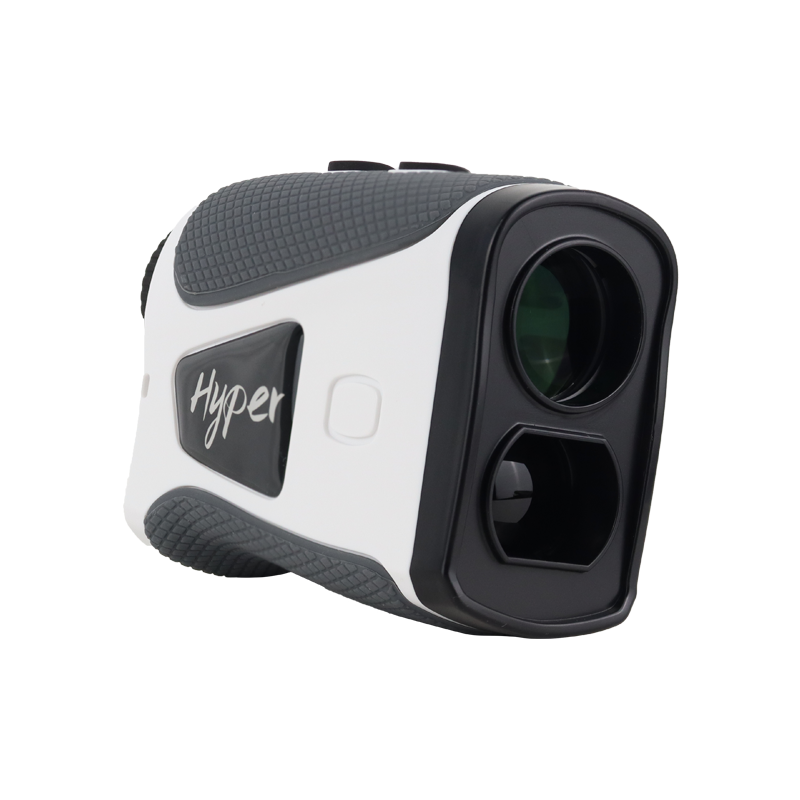
Hemusun Optical Instrument Co., Ltd. has grown into a leading provider of premium optical products. It serves outdoor fans and professionals alike. The company focuses on high-precision tools like rangefinders. Hemusun delivers high-quality items built for the needs of serious hunters. They put effort into new ideas and strong performance. Hemusun’s rangefinders are designed to give accurate measurements. This holds true even in the roughest terrain. Hunters can depend on these devices to boost their shooting accuracy and success rates.
Hemusun products are built with precision, strength, and ease of use in mind. This makes them perfect for hunters who want an edge in the field. You might be into bow hunting or mountain hunting. Or you could simply need a reliable rangefinder. Hemusun’s line of optical instruments gets you ready for good results. Their angle compensation features work well and stay dependable. These rangefinders make sure every shot is measured correctly. You gain the confidence to hit your target no matter what the terrain is like.
Adding angle compensation to your hunting rangefinder can make a huge difference. This is true when you shoot on uneven ground. You might be bow hunting or working through mountain landscapes. A device that adjusts for the incline or decline gives you accurate distance numbers. Your shots land in better spots. You see more success in the end. Hemusun Optical Instrument Co., Ltd. offers a range of high-quality rangefinders with reliable angle compensation. These tools help hunters get precision in every shot. By picking the right rangefinder, you know your gear is ready for any kind of terrain.
Angle compensation in a hunting rangefinder is a feature that adjusts the distance measurement. It does this based on the slope or incline. It calculates the true flat distance to the target. This lets you shoot with more accuracy overall.
Angle compensation is most useful in hilly or mountainous areas. Still, it can give a better reading even on flat ground. You might want this extra precision to be sure about your measurements.
Yes, you can. Angle compensation is especially important for bow hunting. Arrows follow a curved path through the air. Knowing the correct flat distance to the target is key for accuracy.
It provides the correct flat distance. This helps you adjust your aim for the slope in the right way. Your shot ends up more accurate as a result.
Yes, they are. Hemusun rangefinders are built with rugged terrain in mind. They offer precise angle compensation and accurate distance measurements. This works well even in challenging mountain environments.