
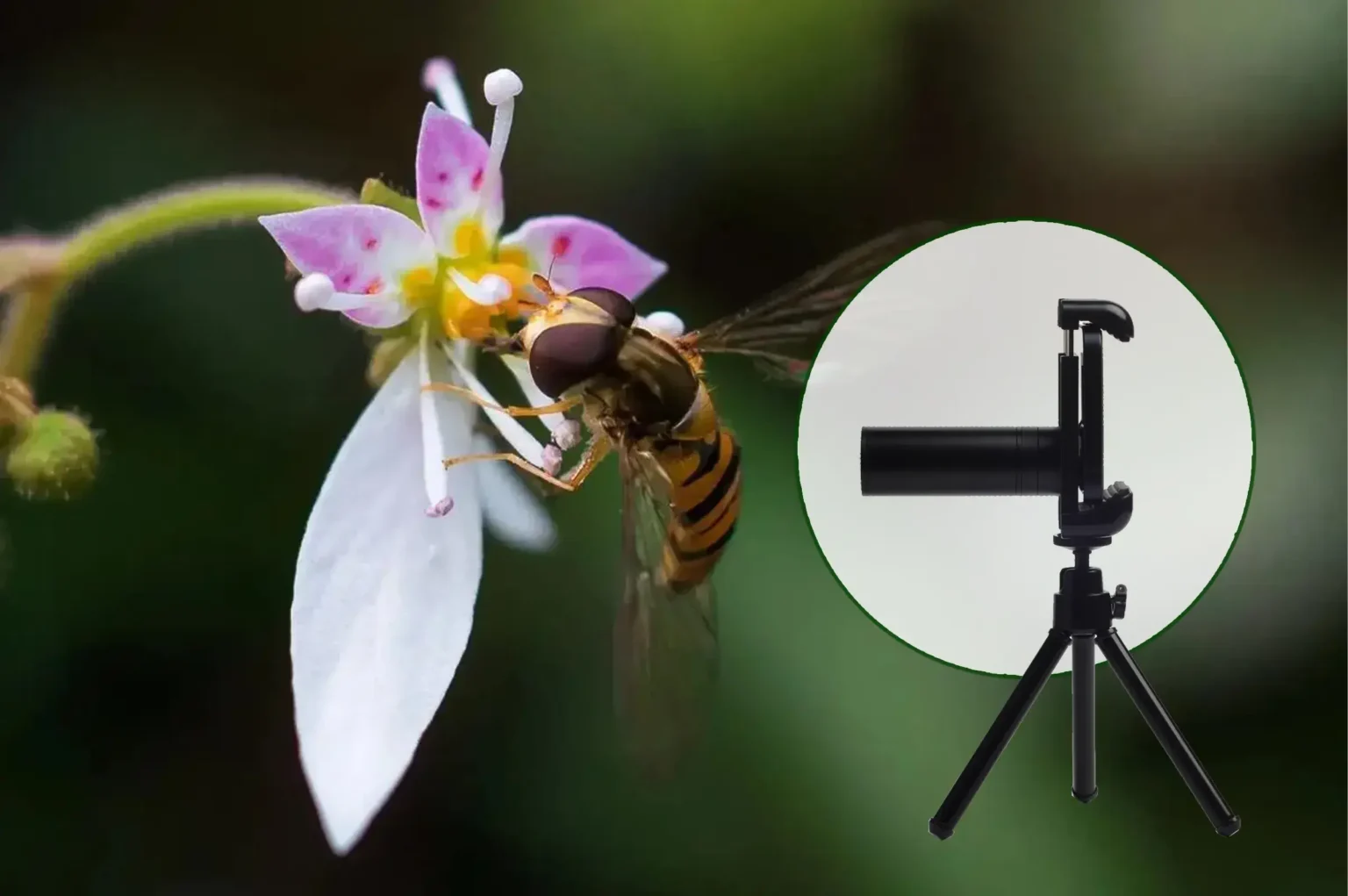
In the world of mobile photography, smartphone cameras have come a long way, offering high-quality imaging capabilities. However, when it comes to capturing intricate details of tiny objects, traditional phone cameras often fall short. This is where the power of a monocular with a micro telephoto lens comes into play. By combining the compact design of a monocular with the versatility of a smartphone, users can now capture stunning close-up shots, unlocking a new level of macro photography. In this article, we’ll explore how you can elevate your mobile photography with this innovative tool, providing a comprehensive guide to micro telephoto lenses for smartphones.
A micro telephoto monocular is a device that magnifies distant objects, making them appear much closer. When attached to a smartphone, it enhances the phone's camera capability by providing a powerful zoom, ideal for capturing tiny subjects. The monocular's magnification range typically falls between 5x to 20x, giving users the ability to take sharp, detailed macro shots with ease. This tool is perfect for nature enthusiasts, hobby photographers, or anyone looking to improve their mobile photography experience.
By attaching the monocular to your phone, you gain access to an entirely new perspective. Whether you're photographing flowers, insects, or even textures, a monocular lens can capture the smallest details that your phone’s built-in camera may miss. It's a great addition for those looking to create stunning, professional-quality images directly from their smartphone.
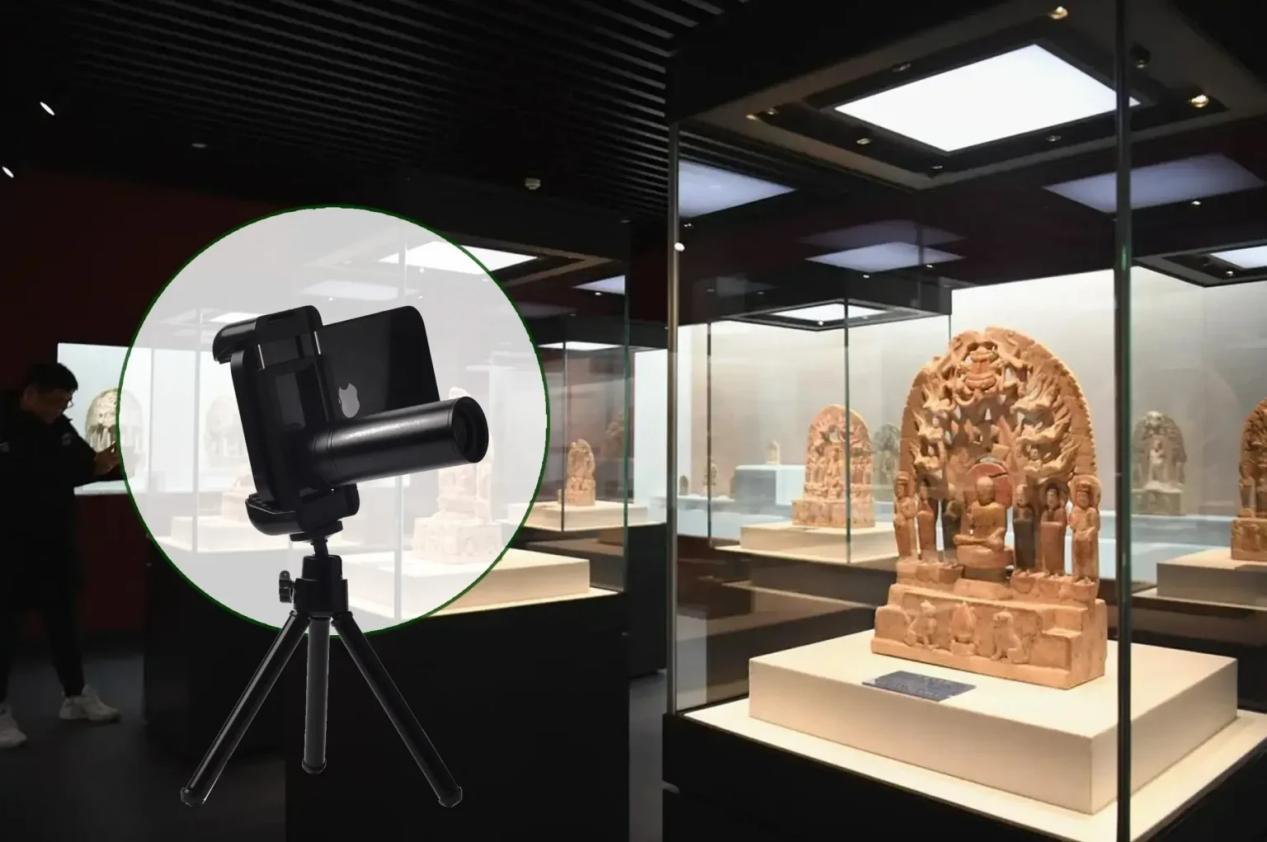
Understanding the advantages of this tool can help you appreciate its value in everyday photography.
To make the most of this device, follow these practical steps for seamless integration into your photography routine.
Most monoculars are designed to fit directly onto the camera lens of your phone using a universal clip. Simply attach the clip to your smartphone, ensuring that the monocular is properly aligned with the camera lens for optimal magnification.
Once the monocular is attached, adjust the focus to ensure that your subject appears sharp and clear. Depending on the monocular's magnification, you may need to fine-tune the focus to get the best possible shot. Many monoculars come with a focusing wheel, making this process easy.
For macro photography, it’s important to get close to your subject while maintaining stability. Try to steady your phone using both hands or a tripod to avoid any camera shake that might blur your shot. Focus on capturing the finer details, such as textures, patterns, and colors, which are often overlooked by the naked eye.
Don't limit yourself to flowers and insects. Use the monocular to explore everyday objects in a new way. You can photograph fabric textures, leaves, or even the fine details of your favorite book. Experimenting with different subjects will help you understand the full potential of your monocular for mobile photography.
Delving into the technical aspects reveals why monoculars excel in delivering high-quality images.
Monocular lenses function by utilizing a system of lenses that magnify the subject. The design allows light to enter through the lens, passing through the optical components to focus the image onto the smartphone’s camera sensor. These lenses are engineered to be lightweight while still providing significant magnification, making them perfect for mobile photography. The result is a clear, detailed image even at a distance.
The optical principles behind monocular lenses ensure that the image quality remains high, even with high zoom levels. Unlike digital zoom, which simply enlarges the pixels in the image, optical zoom adjusts the lens to focus on distant subjects more clearly, resulting in a sharper and more accurate photograph.
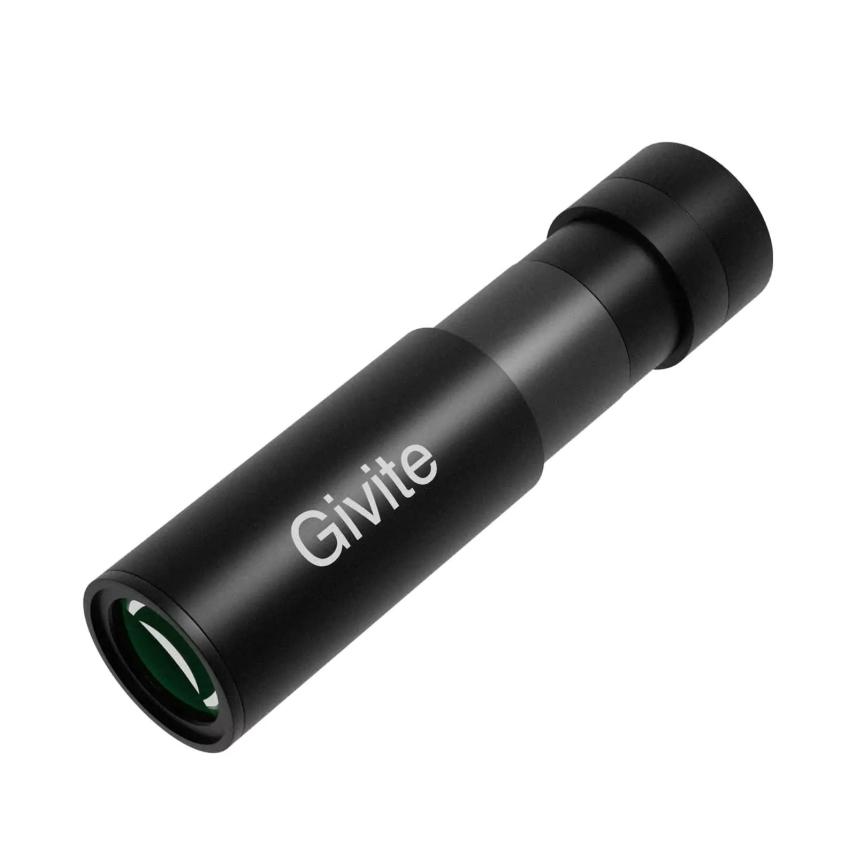
Selecting the right monocular involves evaluating key features to match your specific needs.
The magnification of the monocular determines how much closer you can get to your subject. Consider how much zoom you need based on the type of photography you plan to do. For macro shots, a magnification between 8x and 12x is ideal, while for general telephoto work, you can opt for something higher.
The quality of the lens is crucial for ensuring sharp, clear images. Look for lenses made from high-quality materials, such as multi-coated glass, which helps reduce distortion and enhances the clarity of your shots. The better the lens quality, the better your images will be, even at higher magnifications.
Make sure the monocular you choose is compatible with your smartphone. Many monoculars come with universal clips that work with most devices, but it's always worth checking before purchasing. Some models may also include additional accessories like adapters or tripods to further enhance your mobile photography experience.
Portability is one of the major selling points of a monocular. Since they are compact and lightweight, they’re easy to carry around and don’t require bulky equipment. Look for a monocular that is small enough to fit in your bag or pocket without taking up too much space.
Learn more about the company behind these innovative products.
Hemusun Optical Instrument Co., Ltd. is a renowned supplier of high-quality optical products, specializing in innovative solutions for both personal and professional use. With a commitment to precision, quality, and customer satisfaction, Hemusun provides a wide range of optical instruments that enhance various industries, from photography to scientific research. Their products are designed to offer superior performance, durability, and versatility, ensuring that customers have access to cutting-edge technology for all their optical needs.
In summary, incorporating a micro telephoto monocular into your setup transforms how you approach photography.
The integration of a micro telephoto monocular with your smartphone is a game-changer for mobile photography, allowing you to capture stunning macro shots with incredible detail and clarity. Whether you’re a nature enthusiast or a casual photographer, a monocular opens up new possibilities for your smartphone camera. With its portability, affordability, and enhanced zoom capabilities, it’s an excellent investment for anyone looking to elevate their photography game. Embrace the power of the monocular and start capturing breathtaking images like never before.
Here are some common questions to address any lingering doubts about using a micro telephoto monocular.
Yes, many monoculars are designed to work in low-light conditions, especially those with high-quality coatings that enhance light transmission. However, keep in mind that macro photography often requires good lighting to capture the fine details effectively.
To avoid shaky shots, use a tripod or stabilize your hands when using the monocular. Some monoculars come with tripods or stabilizers, which are helpful for taking sharp, detailed shots.
Monocular lenses are primarily designed for macro and telephoto photography. However, depending on the magnification, you can also use them for landscape or wildlife photography to capture distant subjects.
Focus on the finer details of your subject, and experiment with different angles and lighting conditions. Use a tripod to reduce camera shake, and don’t be afraid to experiment with different magnifications to find the ideal focal length for your subjects.
Most monoculars come with a universal clip that fits most smartphone models. However, it's always recommended to check the product specifications to ensure compatibility with your device.