
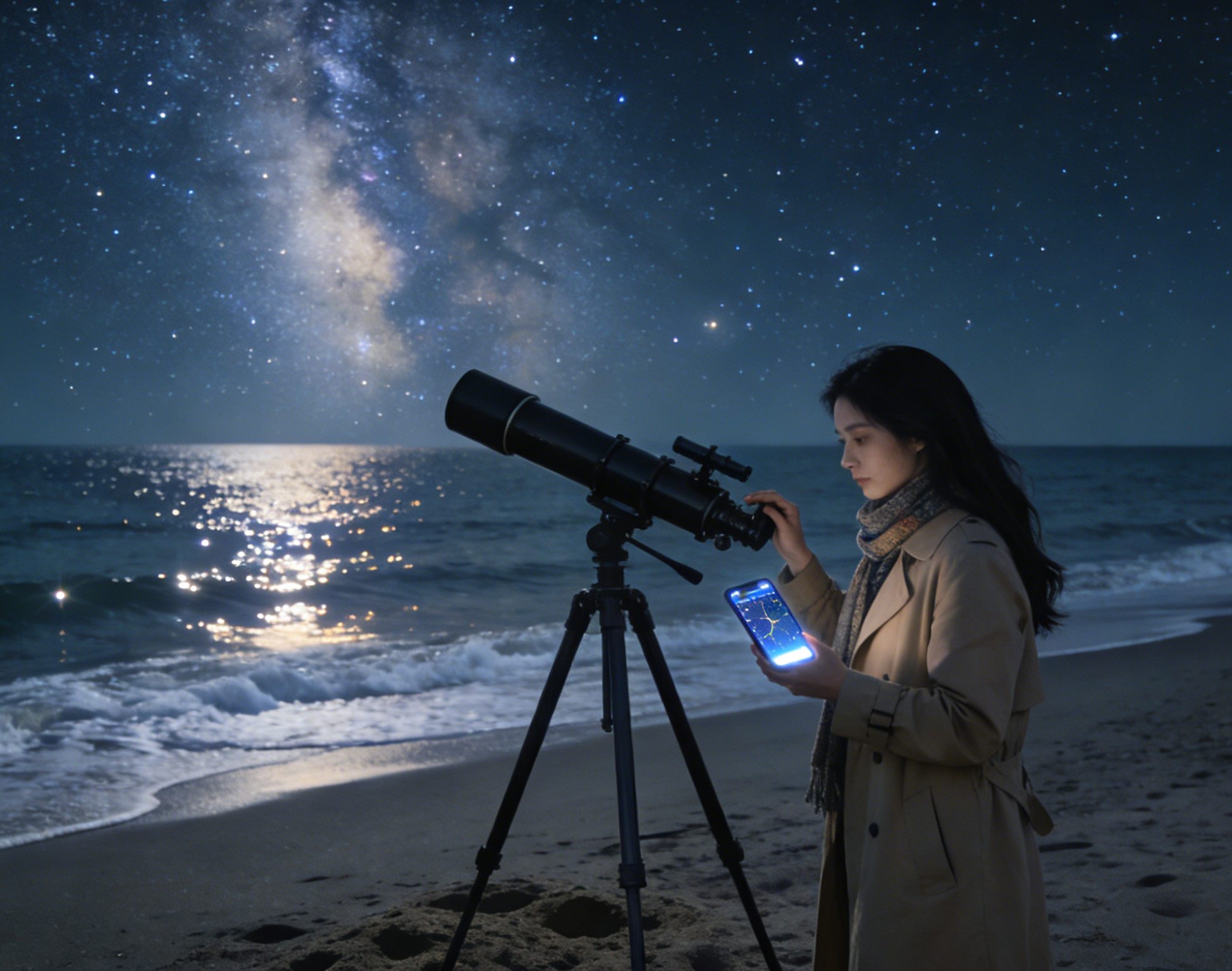
Astrophotography lets fans take cool shots of space stuff. This includes far-away galaxies and planets close by in our solar system. But a big problem in getting great night sky pictures is handling light messes. Things like city lights and air fuzz get in the way. A main tool to fix this is astronomical filters.
These filters help make pictures better. They do this by upping contrast, cutting bad city light, and picking out certain light waves. In this blog, we look at how various kinds of astronomical filters aid folks who shoot stars. They help grab sharper, more detailed pics of stars, planets, and nebulae.
Astrophotography is a tricky hobby. It needs more than just a telescope and a camera. Stuff like city glow, air scatter, and how bright space things are can mess up picture quality. Filters are key to fix the end result. They cut out extra light. And they pick the light waves that shooters need.
A huge issue for new and pro star watchers is light pollution. Man-made lights from towns spread in the air. They drown out weak light from space items. Astronomical filters like the UHC (Ultra High Contrast) and CLS (City Light Suppression) filters block these fake lights. So, folks can snap clearer and sharper shots of far objects.
One more problem in shooting stars is low contrast between space items and the dark sky. This happens a lot with faint nebulae or dull stars. Filters like the OIII filter pick the double-ionized oxygen lines. They up contrast by letting only light from certain spots through. As a result, things like planetary nebulae and emission nebulae look brighter and more detailed.
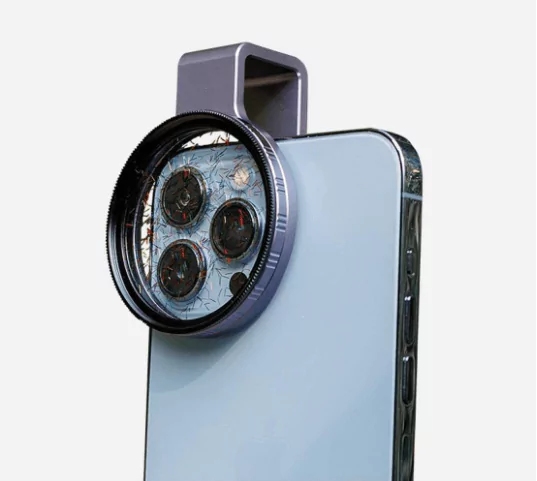
Astronomical filters come in many kinds. Each one fits different space items and watching needs. Below, we check out some common filters used in shooting stars. We see how they make details and contrast better in pics.
Astronomical filters improve detail and contrast in astrophotography through several key methods.
A main way filters help details and contrast is by picking certain light waves. Space items send light at set waves. Filters cut out the extras. So, shooters get clearer and sharper pics. For example, a narrowband filter like H-alpha or OIII gives a better view of nebulae. In these, elements like hydrogen and oxygen send most light at exact waves.
Filters also aid in upping the range of light in pics. When shooting bright and dim items at once, bright stars might wash out the pic. This hides dimmer stuff. Filters that cut city glow or boost contrast help grab a bigger light span in one shot. As a result, pics keep faint nebula details. But they also hold the shine of bright stars.
For shooters who want real colors, filters are key. They make sure caught colors match the waves from space bodies. Narrowband filters help make true-color pics by mixing light from various waves. For instance, using H-alpha, OIII, and SII together lets shooters build detailed, colorful pics of nebulae. This offers a closer peek at what they are made of.
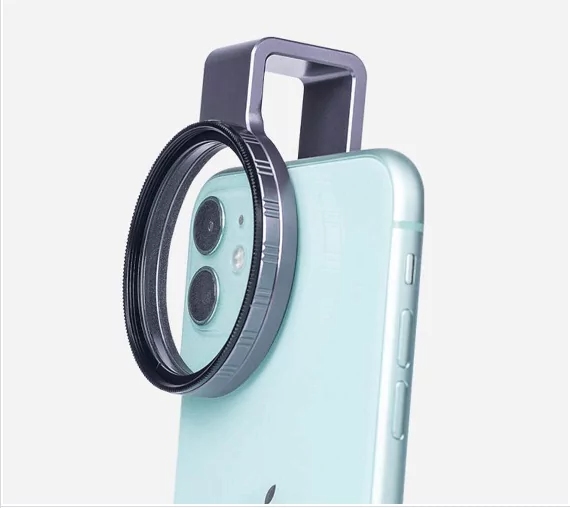
To get the best results from astronomical filters in astrophotography, consider these essential practices.
Before picking a filter, know the space item you shoot. Different filters fit various space bodies. Nebulae often use narrowband filters. But galaxies and star groups do best with broadband ones.
When using more than one filter, get how they team up. For example, mix a UHC filter with a H-alpha one. This boosts contrast and still picks red hydrogen glow. Trying out filter mixes is vital for top results. Each filter changes the end pic in its own way.
To get the most from filters, have good gear. Top telescopes and cameras for shooting stars give better clearness and sharpness. Plus, use filters with trackers and other add-ons. This stops fuzz from Earth's spin.
Hemusun Optical Instrument Co., Ltd. is a top seller of strong optical goods. This includes special filters for new and pro star watchers. The firm focuses on new ideas and good quality. Every item gets tough checks. This gives sure and exact fixes for many shooting needs. Hemusun’s filters boost telescope work. They make pics clearer and with better contrast for top space shots. If you shoot far galaxies or bright nebula colors, Hemusun filters lift your shooting game.
Picking the right astronomical filters can really boost shooting quality. They help grab cool details and contrast in pics. If you want to cut city glow, boost certain glow lines, or get real colors of far nebulae, filters are must-have in a shooter's bag. By choosing the best filter and knowing how to mix them, you can get brighter, sharper, and more detailed space shots.
Filters help make pics better. They block bad light waves, up contrast, and pick special glow lines from space items.
City lights can cover weak space light. This makes hard to get detailed pics. Filters like UHC and CLS block fake light. They up contrast for space items.
The H-alpha and OIII filters work great for nebulae. They pick certain glow lines of hydrogen and oxygen. This lets more bright and detailed pics.
Yes, various filters fit different kinds. Planetary filters cut glare and show details on planets. Deep-sky filters up contrast and details for galaxies and nebulae.
Filters work with most telescopes. But pick the right size and kind for your telescope and camera. Hemusun has many filters for various tools. This ensures they fit.