
Photo filters are key tools for folks who take pictures. They want to make their shots look better, mainly outside. But lots of shooters, new and old, slip into typical traps when using them. These slips don't just block the wanted look. They also lower the shot's quality. In this post, we look at the top filter errors, rules for good filter mixing, and smart ways to use filters for pro-level results.
With filter use, there are a few errors that shooters often make. These slips, though they seem small, can hit the final photo hard. It's key to know these traps to boost your outdoor shots.
One big error shooters make is using way too many filters. Filters can improve a shot a lot. But too many lead to fake looks. For instance, piling up filters to make the shot darker, boost contrast, or change colors can hide the scene's real charm. A filter should help, not take over, the photo.
Tip: Aim to get your wanted look with one or two filters. And always check their effect before adding more.
Filters, like ND (Neutral Density) ones, cut down light coming into the camera. When using these, mainly in bright spots, it's easy to skip fixing for less light. This leads to dark shots. In the same way, with polarizing filters, you must tweak exposure since they cut light too.
Tip: Always look at your exposure setup when using filters that change light flow. Use the histogram to make sure exposure is right.
Each filter has its own job. But many shooters don't fully grasp how to pick the right one for the spot. For example, a UV filter isn't for haze or bad light; it's mostly for lens guard. Likewise, a polarizer filter cuts glare and boosts contrast well. But it doesn't work the same on all light kinds.
Tip: Pick your filter based on the scene and light setup. For instance, a circular polarizer works great for shiny surfaces. But not every spot needs it.
Once you know the usual errors, it's vital to learn how to mix filters well. Mixing filters can be a strong method. But it needs a clear grasp of how filters work together. Let's check the main rules of filter mixing to get the best from your filters.
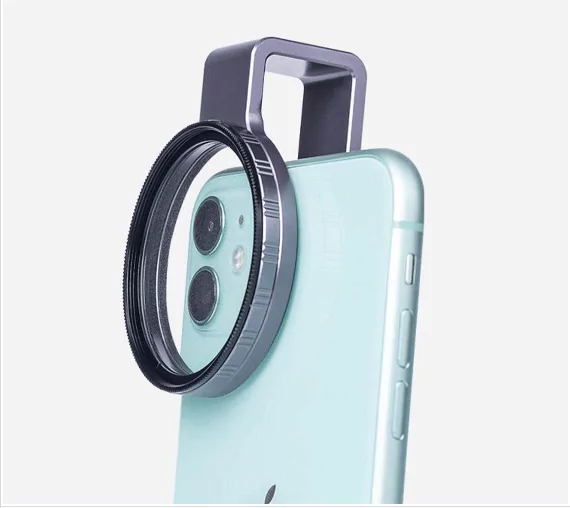
When mixing filters, pick ones that fit together. For example, pairing a polarizer filter with a UV filter can cut glare and improve contrast without hurting shot quality. Yet, piling many ND filters can drop shot sharpness. So watch out.
Tip: Begin by mixing filters with like goals, such as a UV and polarizer. And skip mixing filters that do the same but with different power.
As said before, the pull to use more filters is a usual slip. Piling too many raises chances of bad effects like lens flare, shot twist, and clear drop in sharpness. When mixing, put quality first over number.
Tip: Stick to one filter for your wanted look. And think if adding another really helps the final shot.
Not every filter is the same. Cheap ones can add bad color shifts or lower shot sharpness. When mixing filters, make sure each is top in light quality to keep the whole shot good.
Tip: Spend on top filters to keep shot true, mainly when mixing.
Grasping how to mix filters is only part of it. To really get good at filter use outside, there are some smart ways to follow. These methods make sure you get top results while keeping your shots true.
Polarizing filters are a need for outdoor shooters, mainly for land shots. They cut bounces from water, glass, and wet spots. They also boost sky contrast. But they work less in dim light or when light isn't at the right spot.
Tip: Use polarizing filters for land shots with bright skies or shiny spots. But skip heavy use in cloudy or dim setups.
Neutral Density (ND) filters are great for making long-exposure looks, like soft water or cloud moves. By cutting light to the lens, ND filters let slow shutter speeds, even in bright day.
Tip: Use ND filters for smooth move looks in day. But don't skip tweaking exposure to fix for less light.
While lots of shooters see UV filters for cutting UV rays, their main job now is lens guard. These filters shield the lens from dirt, marks, and bumps, mainly in tough spots.
Tip: Always put on a UV filter to guard your lens. But don't count on it for light fixes or color tweaks.
Hemusun Optical Instrument Co., Ltd. works hard to give top optical goods, with a big range of photography filters. As a firm focused on optical tech, Hemusun offers new and trusty filters that boost your outdoor photo fun. If you're a pro shooter or a fan, Hemusun’s optical products fit your needs, giving both work and last.
By grasping and skipping usual slips in filter use, and following smart ways for mixing filters, shooters can boost their outdoor shots a lot. Filters are strong tools. When used right, they can make your photos pop with full colors, contrast, and depth. Keep in mind to pick filters smart, use them light, and spend on top goods for best outcomes.
A polarizing filter is your top pick for slashing glare, mainly on shiny spots like water, glass, and wet rocks.
Always tweak your exposure setup with ND filters to handle less light. You might raise ISO or widen the aperture for right exposure.
It's doable to pile ND filters. But watch out since this can drop shot sharpness and quality. Use one ND filter or try a variable ND instead.
A UV filter’s top role is lens guard. It helps shield your lens from marks and harm, mainly outside.
Yes, top filters often give better clear light, cut color twist, and stop shot drop. Spending on a good filter makes sure your shots keep sharp and true color.