

Laser rangefinders are handy gadgets. People use them in lots of fields for exact distance checks. This includes things like fun outdoors, building work, or lab studies. But just like any tool for measuring, they can have problems. These issues might mess up your results. If you learn about typical mistakes and how to fix and care for your laser rangefinder, it will work well for a long time. You will get trustworthy readings. This piece talks about usual errors with laser rangefinders. It covers what causes them. It also gives simple steps for good care and setup. In the end, it helps folks get the most from their tools.
Laser rangefinders are usually very exact tools. Yet, a few things can hurt how they work. When you spot these possible troubles, you can act ahead to fix them.
A big usual problem in laser rangefinders is the measuring angle. If the gadget is not lined up right with the spot, the distance might be off. This happens more at far spots or when tilted. It is common in outside fun like golf or hunting.
How to cut down on angle errors:
Laser rangefinders count on a beam bounce off the spot to figure distance. If the spot is very shiny, like glass or metal, the beam might bounce odd ways. This leads to wrong reads. In the same way, rough or dark spots might soak up the beam or spread it. That also hurts the check.
How to handle reflective surface problems:
Weather like mist, wet drops, white flakes, or hot air can really change how a laser rangefinder works. These things can shift how the beam moves in the air. This causes wrong reads. For instance, thick wet air or mist can spread the beam. It cuts the reach or adds mistakes.
How to deal with weather errors:
Weak battery can also hurt how your laser rangefinder works. As power drops, the gadget might not send a strong beam to far spots. This leads to mixed results.
How to fix battery troubles:
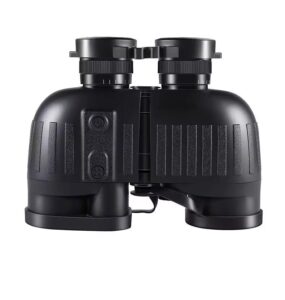
Taking care of your laser rangefinder is vital. It keeps it exact and lasts longer. Do regular cleans, store it right, and set it up often. These are key steps to keep it in good shape.
Dust, bits, or junk on the lens can block the beam path. This causes wrong reads. Clean the lens often with a soft, dry rag. This stops the issue. For hard dirt or marks, use a lens clean mix made for glass.
Tips for cleaning your laser rangefinder:
When you are not using it, store your laser rangefinder well. This stops harm. Too hot or cold, wet, or sun light can hurt inside parts. It can mess up how exact it is.
Storage ideas:
Set it up often. This makes sure your laser rangefinder gives steady, right checks. Do setup when it gets big bumps, when reads seem off, or after long no-use times.
How to set up a laser rangefinder:
Some laser rangefinders have setup tools inside. Others might need outside setup gear.
Good battery care can make both the battery and gadget last more. Do not let the battery go all empty often. This cuts its life. Instead, fill or swap when low.
Battery care tips:
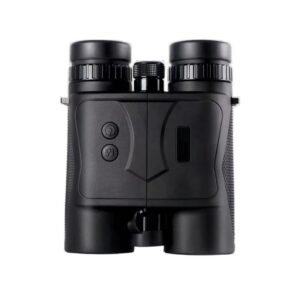
Laser rangefinders can still work great in hard spots if you do it right. Here are some ideas for best results in bad times.
In cases with far lengths or mixed spots, think about a reflector. It can boost the gadget's skill for exact reads. This is key for lengths past the usual reach.
Lots of laser rangefinders have many check modes. Like normal length, height, or angle fix. Switch to the right one for what you need. This can boost exactness and cut mistakes.
Keep inside the gadget's best check length. Going past can raise mistake chances. Look at maker rules for best use lengths.
Hemusun Optical Instrument Co., Ltd. is a top provider of exact glass tools, including laser rangefinders. The firm works hard to give good, steady, and new items for many fields. This covers land checks and building to outside games and studies. With a focus on happy buyers, Hemusun makes sure its items hit high marks for exactness and work.
Wrong checks can cause big problems. This is true if you count on your laser rangefinder for home jobs, pro land checks, or outside fun. If you learn the usual mistake sources and use the care, use, and setup tips, you can make sure it gives exact, steady results.
Usual reasons include angle mistakes, shiny spots, bad weather, and weak battery.
Q2: How can I stop my laser rangefinder from bad work in rough weather? Pick one made for tough spots. Skip use in thick mist or wet. Think about a type with weather fix features.
Do it often, mainly after big bumps or if reads look off.
Yes, but make sure the spot has light. Some types have lights inside to help in dim spots.
Use a fine cloth to wipe the lens softly. Skip harsh stuff that might hurt the lens.