
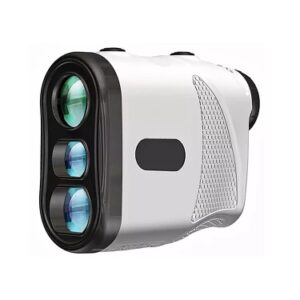
Distance measurement tools have shaped how we interact with the world around us. Whether in sports or surveying, these devices offer precision that once seemed out of reach. Let's dive into their journey, starting with the basics.
Rangefinders started simple, yet they laid the foundation for today's smart gadgets. Early models depended on light and lenses alone.
These tools emerged when accuracy mattered most in fields like hunting and golf. Over decades, they've grown sleeker and more capable.
Early versions split images through prisms. Users lined them up to get a distance reading from a built-in scale.
Hunters in the 1970s carried these for rough estimates on game 300 yards out. They worked in bright conditions but struggled at dusk.
A quick look at their specs shows limits:
| Aspect | Details |
| Max Range | 500 yards |
| Error Margin | 5-10 yards |
| Size | Bulky, over a pound |
This setup pushed for better options. As demands rose, electronics entered the picture, blending with optics for hybrid strength.
Lasers brought speed and sharpness to ranging. Beams pulse out, hit targets, and return, timed for exact distances.
This shift happened in the 1980s, cutting errors to a yard or less. Construction teams swapped tapes for these, saving hours on sites.
In sports, they added slope reads. Golfers factor in hills for better club picks.
Benefits stand out:
Yet, sun glare could interfere. Advances fixed that, leading to smarter integrations like in laser rangefinders.
These changes bridged to AI, where data processing takes center stage.
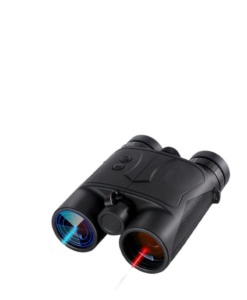
AI-powered rangefinders analyze beyond basic returns. They consider wind, terrain, and movement for refined outputs.
Golf sees big gains. Devices suggest plays based on scans and history, with half-yard precision.
Hunting tools track animals on the move. Low-light modes pull clear images from dark woods.
A side-by-side view highlights leaps:
| Period | Core Method | Precision | Uses |
| Optical Era | Prisms | ±10 yards | Basic field work |
| Laser Era | Beam pulses | ±1 yard | Sports, building |
| AI Era | Algorithms | ±0.5 yard | Drones, precision tasks |
This progress adapts to users. From casual outings to pro setups, AI makes ranging intuitive.
Blends with older tech keep them versatile. Next, see how they fit daily scenarios.
Advancements in rangefinder technology span activities. Golfers use them for strategy, scanning courses for hidden edges.
Hunters value rugged builds. Waterproof shells handle rain, while long batteries last hunts.
Industry applies ultrasonic types for indoor levels. Visual ones secure perimeters from afar.
Patterns include app links for data shares. Custom options grow, like in customizable devices.
Eco-focus rises too. Lighter materials reduce impact, drawing eco-aware crowds.
These apps show tech fitting real demands, lifting performance everywhere.
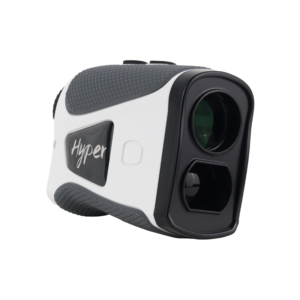
Challenges persist. Early AI ate power, but efficient chips now extend life.
Data privacy matters with logging. Future fixes aim for secure use.
Evolution of rangefinder accuracy eyes quantum leaps, down to millimeters. AR could overlay reads in views.
Growth hits 10% yearly. By 2026, AI grabs 30% in golf segments.
Feedback shapes this. Users refine tools, making them user-friendly for all.
Overall, rangefinders evolve fast, essential in many arenas.
Hemusun Optical Instrument Co., Ltd. shines as a trusted rangefinder supplier. They specialize in research, development, manufacturing, and sales of top-notch optical tools. With a pro R&D team, they explore new materials and tech to boost product performance. Advanced production sites and strict quality controls ensure reliability. Their range covers scientific research, industrial manufacturing, medical diagnostics, environmental monitoring, and more—like microscopes, laser equipment, or optical components. As a newcomer in the field, they value innovation, quality, and customer needs, building a modern industrial base with large windows, trees, clean rooms, and high-tech factory displays. Holding ISO, CE certificates, software copyrights, patents, and more, they focus on customer service with timely support, repairs, and a good reputation. Check their offerings on the main site or browse all products.
From humble optical starts to AI-driven rangefinders, these tools have boosted precision and ease across fields. Future holds tighter blends with daily life, making accurate measurement effortless.
Optics used prisms for manual matches, good in light but slow. Lasers sped things with beam timing, slashing errors for quick field use.
They add motion tracking and weather tweaks via AI, ensuring steady reads on moving targets in fog or rain.
Absolutely, if you play often. They handle slopes, wind, and greens dynamically, cutting guesses for better scores.
Better sensors and algorithms push limits to centimeters, vital for surveys or safety in tough spots.
From bulky optics to compact lasers with angle fixes, now AI adds real-time adapts for ethical, precise shots.