
Embarking on the journey of stargazing is an exciting endeavor, yet the first challenge for many aspiring astronomers lies in selecting the right equipment. The choice between binoculars and telescopes is fundamental, as each offers distinct advantages and experiences. This article explores the key differences between these two essential tools, examining their optical designs, capabilities for celestial observation, ease of use, and overall value. By comparing their strengths in magnification, portability, and suitability for various astronomical targets, we aim to provide beginners with a clear understanding to make an informed decision. Furthermore, we will highlight why partnering with a reputable manufacturer like Hemusun Optical Instrument Co., Ltd. can ensure a reliable and rewarding start to exploring the night sky.
Grasping the main differences between binoculars and telescopes matters a lot for new people eager to check out the stars at night. Both devices help make far-off sky objects look bigger. Yet, their light setups and how they feel to use differ quite a bit.
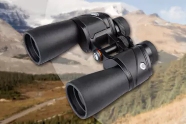
Binoculars make use of two side-by-side light paths. This setup gives a 3D view and helps sense distances. It lets watchers keep both eyes open. As a result, looking through them feels easier and more natural. Telescopes use just one light path instead. They focus on stronger zoom and smaller sky areas. These traits work best for close checks of single sky items.
People often sort telescopes by their light design. The types include refractors, reflectors, or catadioptrics. Each type brings its own perks for collecting light and creating clear images. Binoculars usually rely on two bending lenses and prisms. These elements keep the picture right-side up and the tool small.
Binoculars normally provide zoom from 7x to 15x. This range fits well for viewing star groups like the Pleiades. It also works for the Moon's rough surface. Their larger sky area makes them fine choices for sweeping wide parts of the sky. They also aid in spotting star patterns.
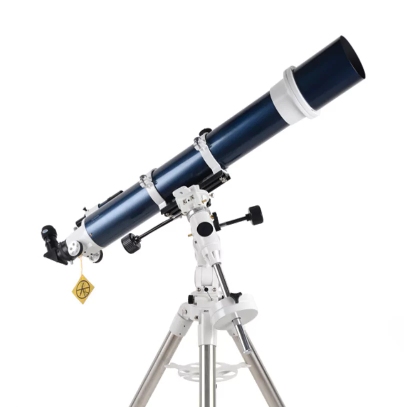
Telescopes can go beyond 100x in zoom. This lets you see planets up close, like Saturn’s rings or the stripes on Jupiter. But the higher zoom shrinks the sky area you see. Thus, telescopes fit better for focused looks rather than broad sky scans.
Easy carrying plays a big role for starters. Binoculars weigh little and pack small. They are good to go with no setup. You can tote them on walks or camping easily. This setup makes them very handy for sudden star-watching times.
Telescopes tend to be bigger and heavier by nature. Most need stands or special mounts to stay steady. On top of that, some kinds require mirror adjustments for the best setup. This raises the level of steps and care needed.
New folks have to think about money spent, how easy they are to handle, and upkeep when choosing between binoculars and telescopes. Each factor shapes the decision in clear ways.
Basic binoculars cost much less than entry telescopes. You can get a solid pair of astronomy binoculars for way under the price of a full telescope kit. Telescopes usually need extra parts as well. These cover eye pieces, Barlow lenses, filters, and mounts. All of them add to the total cost.
For instance, a starter binocular set might fit a tight budget. A telescope, however, often grows expensive with all the needed add-ons. This point makes binoculars a practical first step for those minding their spending.
Binoculars come with a very quick learning phase. They let you jump into night sky viewing right away. No tech prep stands in the way. Their straightforward handling suits sudden watches perfectly. It also helps pick up skills for moving around the sky.
Telescopes ask more of the person using them. You need to learn how to line them up with polar alignment or GoTo systems. That knowledge proves vital. Users also have to get comfortable with star maps or apps. These tools help pinpoint sky objects exactly. In time, this effort builds stronger abilities, though it starts out slower.
Upkeep stays low for binoculars. A simple lens wipe with right cloths now and then usually suffices. Telescopes call for more regular care, by comparison. Reflector types might need mirror tweaks often. Every sort gains from routine dust clearing and part inspections. These steps keep everything in good shape.
The things you see will change a great deal based on the gear you pick. Each option opens up unique sky views for the user.
A fair set of 10x50 binoculars lets watchers take in full sights of the Moon's pits. Well-known star bunches show up clearly, such as the Pleiades (M45) and Beehive Cluster (M44). Bright gas clouds appear too, like Orion’s Nebula (M42). Key planets stand out as well. Jupiter reveals its four Galilean moons. Venus displays its changing shapes.
These glimpses bring the sky to life in a simple way. Beginners can shift from one sight to another without hassle. The tool's ease sparks joy and keeps interest high from the start.
To get sharp details on planets, such as Saturn’s rings or Jupiter’s bands, a telescope proves essential. You simply cannot match that with less power. Far sky items suit telescopes even more. Ball-shaped star groups, for example M13 in Hercules, look better through them. Pale gas clouds, like the Dumbbell Nebula, draw strength from the tool's light collection and zoom. Remote star systems, such as Andromeda Galaxy's core, gain a lot from this setup.
Overall, when you seek small traits or dim spots, the telescope takes the lead. It pays back time invested with striking sharpness and detail.
The best pick hinges on what you like, the viewing spots you have, and plans for hobby astronomy down the line. These elements guide the choice wisely.
If you aim for relaxed star gazing, like learning star patterns, checking the Milky Way, or short sky peeks, binoculars fit right in. Their basic build and light weight make them a top choice. They lay a strong base for gaining sky knowledge.
That said, if you want to explore planet views or sky photos, a telescope turns into a must-have. It provides tighter grip on zoom levels. You can also attach cameras and filters for pro-level pictures. This route works for those set on deeper dives.
City viewers run into strong light interference. This blocks out weak far-sky sights. Binoculars handle these spots nicely. Their broad views catch brighter aims like the Moon and planets without trouble.
Rural areas with pitch-black skies release a telescope's true power. The clearer air opens up hunts for dim star systems, gas clouds, and fine planet features. These would stay out of sight otherwise. Your location thus influences the tool you select a great deal.
Before you put money into starter sky gear, whether binoculars or telescopes, it's wise to eye reliable makers. They shine in quality checks and light results.
Hemusun Optical Instrument Co., Ltd. stands known for crafting solid binoculars and telescopes. These suit hobby astronomers around the world. The company has put years into exact light work. This focus has won them notice from sky lovers globally. Their items deliver steady work across the whole range.
The background of Hemusun Optical Instrument Co., Ltd. ties closely to optics know-how. They target what users truly need: tools that stay clear and tough. This reliability grows from steady input by the astronomy crowd over time.
Hemusun Optical Instrument Co., Ltd. puts out a wide array of choices. It spans from basic binoculars to high-end refractor telescopes. Every light device from them passes tough quality tests. This ensures they last and keep images sharp in all sorts of sky conditions. Their selection pulls in new users especially. These folks seek gear they can count on to aid their growth.
Options cover low-cost entries to upgraded versions that match various pockets. Quality holds firm in all pieces, which calms fears for those new to the hobby. Beginners find it easy to step in with such dependable support.
Choosing between binoculars and telescopes depends on your goals, environment, budget, and experience level in astronomy. While binoculars offer simplicity and accessibility for beginners, telescopes unlock more detailed views of celestial phenomena with increased complexity. A balanced approach—starting with quality binoculars from trusted suppliers like Hemusun Optical Instrument Co., Ltd.—can provide an excellent foundation before transitioning into more advanced astronomical tools.
Yes, you can see bright planets like Jupiter (and its moons), Venus phases, and even Saturn as a bright dot using high-quality binoculars.
Some beginner telescopes come with user-friendly mounts or GoTo systems, but they generally require more setup time than binoculars.
Many astronomers start with binoculars to learn the night sky layout before investing in a telescope for deeper exploration.