

Ever think about how boats find far-off things in heavy mist? Or how folks who guide planes keep them from bumping in the air? Radar does a lot of that job. It's short for Radio Detection and Ranging. This setup sends radio waves to spot and follow items from a distance. In this piece, we'll go through how radar works, one bit at a time. We'll talk about the simple stuff, the facts behind it, various kinds, and ways people use it. If you like gadgets that change our daily lives, keep reading. This isn't just ideas—it's real things that affect normal days, from rain reports to keeping places safe.
Radar has grown a bunch since it started in the 1930s. At first, it helped in fights to see enemy planes coming. Today, it's all over. Consider the sensors in your car that help park or checks at the airport. The main point is knowing the waves and how they come back. We'll explain it easy, but with enough info for people who know the field. When you're done, you'll get why radar makes things safer and quicker in lots of spots.
Radar acts like a hidden eye that looks through night, wet weather, or haze. It puts out radio waves. These are a form of energy that moves like light. The waves go fast until they touch something. Then, they jump back to where they started. By checking how much time passes, the setup works out how far, how quick, and which way.
Imagine yelling in a deep valley and hearing your voice bounce. That's close. The wait for the sound tells the space to the side. Radar does that, but with waves not noise. It's steady because radio waves don't stop easy from rain or fog, not like beams of light or sounds.
Each radar has some basic pieces that team up. Without them, it can't run.
These bits change by the kind, but the main thought stays. For instance, in a plain one, the transmitter could use a special tube for strong pulses. Newer types often go to solid parts for finer handling.
Radar isn't some trick—it's rules of nature at play. Let's step through it.
It begins by shooting a signal. The transmitter builds a burst of radio waves, mostly in the microwave band. Why those? They reach far and go through clouds fine. The antenna shapes them into a narrow path, like a lamp's glow.
Bursts come in fast pops. Between pops, it waits for echoes. This schedule matters a ton. If bursts happen too often, far echoes might blend with fresh ones. So, makers find a middle ground for reach and fresh info.
When waves smack an item—a jet, a boat, or drops—they echo back. Not every bit; some spread or soak in. But plenty return to catch.
The receiver snags these weak signs. It cuts out junk, like buzz from around. Next, the processor jumps in. It uses the wait time to find distance. Waves move at 300,000 kilometers each second, so small waits count.
Speed comes from the Doppler shift. If the thing heads toward the radar, waves squeeze and pitch goes up. Away, it falls. By spotting that change, you learn how fast.
Direction? The antenna's spot when it gets the echo shows it. Some radars shift beams with tech, no spins needed, for quicker looks.
Fresh data can be messy. Handling fixes it. Math spots true finds in the mess—like land bounces or flying birds.
A usual way is keeping false alerts steady. It tweaks levels so noise doesn't set off warnings. Fancy setups use smart tech to sort finds, like if it's a small flyer or a feathered one.
In storm checks, handling maps wet strength from echo power. Stronger means bigger drops.
Radar shows up in many styles, each fit for certain tasks.
Pulse type sends pops and pauses. It's good for big reaches, like sky watches for planes. Continuous wave keeps a steady flow. It shines at speed checks but needs extras, like changing pitch (FMCW), for space too.
FMCW climbs and drops the tone. The gap in coming-back tone gives reach. Cars use this for smart speed keeping.
Also, light-based ones, like lidar, use glow not radio. It gives sharper views for maps or self-drive rides.
| Type | Main Use | Key Feature |
|---|---|---|
| Pulse | Far spotting | Finds space by time wait |
| CW | Speed check | Constant flow for shift truth |
| Phased Array | Quick looks | Tech beam move |
| Lidar | Sharp pictures | Light rays for exact maps |
This chart lays out how styles match jobs. Choose by what you need—far, fast, or clear.
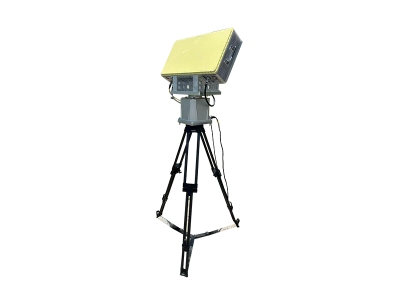
Radar goes beyond army stuff. It helps firms and regular days.
In flying, it stops crashes. Control spots use it to lead planes in rough air. Boats count on it to steer, seeing ice chunks or other crafts.
Rain services use it for storm alerts. By following wet and breeze, they protect folks. Growers look at it for seed times.
For guards? Edge watchers spot sneaks. Cop speed tools are tiny radars.
Even in rides, it's big for safe bits. It aids with side warnings or quick stops.
For groups, radar builds faith. Steady setups mean less wrecks, smoother runs. It lifts a name as fresh and secure.
For folks, use spreads. Flying toys with radar dodge bumps. Fans make easy ones for play works.
No gadget is perfect. Radar hits snags like mix-ups from other waves. In busy bands, it gets blocked.
Mess is another block—pulling real finds from junk.
But new steps aid. Shrinking makes carry ones. Mixing with other feelers, like picture takers, builds wiser setups.
Ahead, fast nets might join radar for town watches. Smart tech will make spots sharper, cutting wrong calls.
Quantum type, with linked bits, might see hidden things. It's new, but looks good.
These paths show radar changing. Keeping up helps experts stay ahead.
As a top lenses maker, Hemusun Optical Instrument Co., Ltd. aims to give fine light fixes. Set in China, with spots in Beijing and Sichuan, the firm makes good lenses and linked parts. They help areas like lab work, factory jobs, and nature checks. With new ways in shaping and covering, Hemusun makes sure items are bright and last. Their crew pushes new ideas, crafting lenses that lift how devices run. For questions, call +8618224497485 or email support@hemusun.com. If you want made-to-fit light parts or usual ones, they make ties for wins.
Radar holds a key spot in today's spotting gadgets. From base rules to fancy uses, it proves how waves show the hidden. As we looked at, knowing how radar works lets in safer trips, finer rain guesses, and tougher guards. It lets firms create new and people check out. Taking this info can give you a boost in gadget worlds. Watch for new paths—they bring more fun changes.
Radar works by throwing radio waves that hit targets and come back as bounces. The setup checks the round-trip time to find space. This easy but strong way lets spotting even in bad sight.
Not like light setups, radar uses radio waves that slice through wet, mist, or dark. It doesn't count on glow, so it stays good when things get bad. That's why it's key for sky and sea jobs.
Sure, via the Doppler shift. If a thing moves, the wave tone changes back. By checking that swap, radar learns speed right. It's useful for road watches or storm follows.
Radar pairs often with light parts, like lenses in beam-based kinds, to shape paths better. This mix lifts exactness in jobs like land checks or self-rides.
Yes. The strength in most is low and watched. They bring no body risks, fit for home gadgets like ride feelers or rain tools.