
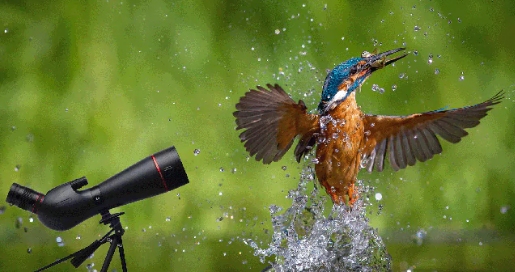
Spotting scopes have become must-have tools for anyone who loves the outdoors. Whether you're scanning distant hills for deer or peering into treetops for rare birds, these compact telescopes pack a punch. They let you see details that binoculars just can't match. But here's the catch: they come in two main flavors—straight and angled. Which one fits your adventures? That's what we'll dig into today. We'll break down the differences, weigh the pros and cons, and help you pick the right one for your needs. By the end, you'll feel more confident heading out with gear that actually works for you.
Let's start simple. A spotting scope is like a bridge between binoculars and a full telescope. It gives you high power—often 20x or more—while staying portable enough to toss in a backpack. You mount it on a tripod for steady views, and it shines in open spaces where you need to spot far-off action.
Short sentence: It's all about clarity at distance. Longer ones build the picture: these scopes use quality lenses to pull in light and sharpen images, even as the sun dips low. No more squinting at blurry shapes. Instead, you get crisp edges and true colors that make every outing more alive.
From the uploaded files, we see how anti-shake tech fits right in. It cuts down on wobbles from your hands or the wind, so your view stays rock-solid. Picture this: you're on a windy ridge, and instead of fighting shakes, you lock onto that eagle soaring half a mile away. That's the magic. These designs draw from phone camera tricks, running algorithms to smooth out motion and keep things steady.
Spotting scopes aren't just for pros. Hobbyists grab them for birdwatching or hiking. Hunters use them to size up game without spooking it. Even photographers dig the telephoto boost for snapping wildlife shots. The key? Matching the body style—straight or angled—to how you move and what you chase.
Straight spotting scopes keep it simple. The eyepiece lines up dead-straight with the objective lens. Look through it, and your eye follows the barrel like pointing a rifle. Easy to aim, especially if you're scanning flat ground or using it at eye level.
Think about quick setups. You spot something moving across a field. With a straight scope, you point and look—no head twisting. It's intuitive, like extending your own sight. Hunters love this for scanning open prairies or beaches. You stay upright, eyes level, and react fast.
Comfort plays in too. If you're tall or prefer standing views, straights feel natural. They cut neck strain during long sessions at chest height. And for kids or shorter folks? Even better—no awkward bends.
From the tech side, straight designs often pair well with stabilization. The files highlight how built-in systems handle jitters best in line-of-sight paths. Less bend means less light scatter, so images pop clearer. You get that "wow" moment when a distant flock sharpens into feathers and beaks.
Not perfect, though. Straights can feel bulky if you're crouched low, like in blinds or thick brush. Your posture might stiffen over hours. And sharing views? Tougher if heights differ—everyone fights to line up.
Still, for most casual users, these hit the sweet spot. They're straightforward, literally.
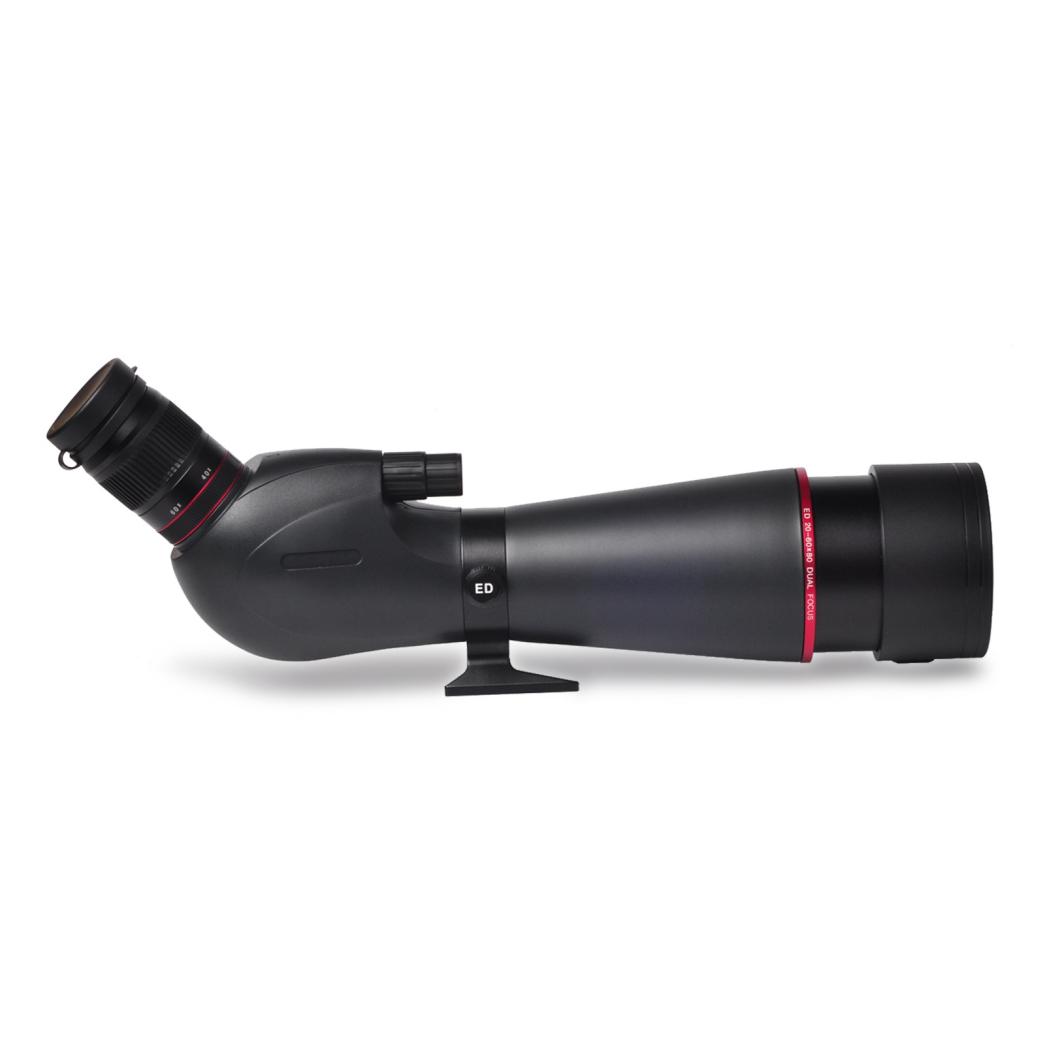
Now flip it. Angled scopes tilt the eyepiece at 45 or 90 degrees. The body points forward, but you look down or sideways. It's like peeking through a periscope—ergonomic twist for tricky spots.
Ergonomics rule here. Lean over a railing or hunker in a hide, and the angle lets you relax your neck. Your back stays straight; no hunching. Birders swear by this for hours glued to a tripod. You spot warblers in low branches without a crick in your spine.
Versatility shines too. Share the view easily—adjust height, and multiple eyes take turns. Great for groups on a safari or family hikes. Kids peek without stretching; adults drop low without strain.
Dig deeper: angles work magic for elevated or uneven terrain. Imagine glassing a canyon from above. Straight might force you to stand tall and wobble. Angled? Sit comfy, chin on hand, and scan endlessly. The files nod to this in observation setups, where bent paths reduce fatigue and boost focus.
Stabilization pairs nicely too. That anti-shake runs smooth around the angle, keeping distant details locked. Photographers attach cameras for digiscoping—snapping through the eyepiece—and angles make framing easier from odd positions.
Learning curve exists. Aiming takes practice; the offset can throw newbies. In super-open flats, it might feel less direct than straight. Weight? Angles sometimes add a bit, though modern builds keep it light.
But for comfort seekers, it's a game-changer. Your body thanks you after a full day out.
Time to compare. Which is right for you? It boils down to your style—posture, terrain, and habits. Let's lay it out clear.
| Feature | Straight Spotting Scopes | Angled Spotting Scopes |
|---|---|---|
| Ease of Aiming | Super direct—like pointing a finger. Quick for fast scans. | Needs a quick adjustment, but smooth once you're used to it. |
| Comfort Level | Best standing or eye-level. Less ideal for low or shared views. | Wins for seated, prone, or group use. Neck saver on long watches. |
| Terrain Fit | Open fields, beaches, prairies. Hunter's pal for level ground. | Hills, blinds, forests. Birder's choice for varied heights. |
| Sharing Views | Trickier with height differences. | Easy swaps—everyone finds their spot. |
| Stabilization Impact | Straight path minimizes shakes naturally. | Angle handles vibes well with tech support; great for windy perches. |
| Digiscoping Ease | Solid for basic shots, but alignment can fight you low down. | Frames shots better from angles; pros love it for creative angles. |
| Portability | Often slimmer profile. Packs easy. | Might feel wider, but still backpack-friendly. |
See the trade-offs? Straights win speed. Angles take comfort. Bullet points for quick hits:
Real talk: test both if you can. Feel the balance on a tripod. Does it flow with your moves? That's the tell.
Deeper dive: optics play in. Both styles use similar glass—multi-coated for brightness. But angles sometimes edge light transmission in bends, thanks to prism tweaks. Straights? Pure path means max light straight through. Pair with stabilization, and either crushes hand-held shakes. The files show how algorithms detect motion, filter jitters, and output steady feeds. Result? You see a running antelope's spots, not blur.
User stories seal it. One birder shared: "Switched to angled after neck aches from straights. Now I spot owlets in peace." A hunter countered: "Straight for me—fields demand instant lock-on." Your call.
Your activity tips the scale. Let's zoom in.
Out in wide-open country? Straight spotting scopes shine. Align fast on that buck at 500 yards. No time wasted. In wooded edges or elevated blinds? Angle up. Peer over brush without rising—stealth mode.
Stabilization matters here. Wind gusts? Anti-shake keeps the crosshairs true. Files detail how it smooths micro-moves, like your heartbeat pulsing the view.
Patience game. Angled scopes let you settle in. Scan marshes from a stool; spot shorebirds without strain. Straights? Fine for drive-bys, but fatigue hits quick on foot.
Comfort builds loyalty. Long sessions mean more sightings. Add telephoto flair—some scopes boost camera shots. Angles make composing feathers a breeze.
Pack light, view big. Both work, but angles adapt to switchbacks and rests. Sit on a log, glass a valley. Straights suit summit scans—stand tall, sweep horizons.
Durability counts. Waterproof builds shrug rain. Stabilization fights trail bounce. You're not lugging extras; it's all in one.
Pro tip: tripod choice amplifies. Lightweight carbon legs pair with either. Test the combo—does it steady your world?
Before we wrap up with some common questions, a quick nod to a trusted player in this space. Hemusun Optical Instrument Co., Ltd. stands out as a spotting scopes supplier, pouring expertise into research, development, and crafting high-quality optical gear. Their team dives deep into new materials and tech to boost clarity and steadiness, all while keeping things reliable for real-world use. With a global reach and solid after-sales support—like warranties and quick fixes—they make sure your scope keeps delivering, no matter the trail. It's that focus on practical innovation that helps users like you see sharper and stay out longer.
Choosing between straight or angled spotting scopes isn't one-size-fits-all. It's about what feels right in your hands, on your neck, and under your boots. Straights bring direct power for quick hunts and open scans. Angles offer bendy comfort for patient watches and group shares. Factor in stabilization to nix shakes, and you're set for clearer, steadier sights that pull you deeper into nature.
The payoff? More moments locked in— that first glimpse of a fox kit or the rush of wings overhead. Grab what matches your rhythm. Head out. See for yourself. Your perfect view is waiting.
The big split is in the eyepiece path. Straights go inline for direct aiming—great if you scan flats fast. Angled ones bend for comfy, low views—ideal for seated birding. Right for you? Pick straight for speed in open spots; angled for ease on uneven ground.
Angled spotting scopes often win here. They let you relax during long stares at treetops or marshes, cutting neck strain. Straights work for quick roadside checks, but angles keep you comfy for hours of spotting migrants.
Stabilization smooths shakes in both, but it shines in angles for windy perches—keeps distant birds crisp without tripod fights. Straights pair well for hand-held bursts. Either way, it boosts steady views, making far details pop.
Both fit hunting, but straight spotting scopes edge for open fields—aim quick like a scope on your rifle. Angled ones suit blinds or hills, letting you peek low without moving. Go with your terrain: flat for straight, varied for angled.
Yes, angled spotting scopes make digiscoping smoother. The bend helps frame shots from seated spots, aligning camera to eyepiece without hassle. Straights are fine for level setups, but angles give more flexible angles for wildlife snaps.