
Have you ever gone on a fresh morning walk? You scan for that hard-to-find bird. Or maybe a far-off hill. But your gear gets in the way. Choosing the best viewing device can change the whole trip. It might make it great. Or spoil it. Binoculars and monoculars both give clear looks. Yet how you use them matters a lot. In this piece, we look at the differences between using binoculars and monoculars. We keep it straightforward. That way, you can pick what fits your next trip. Are you a casual hiker? Or an old hand at spotting things? Knowing these devices helps you see things better.
We begin with the basics. Both binoculars and monoculars make far-off things look closer. But their designs take them apart.
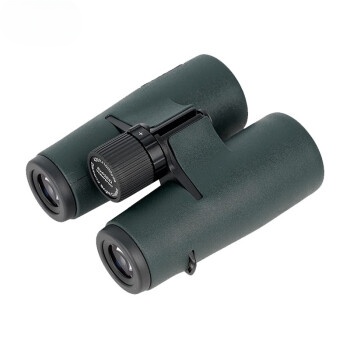
Binoculars have two tubes. One for each eye. This matches how we see every day. It gives a feel of distance right off. You lift them up. You turn the middle wheel to focus. And the scene jumps out in full color. It's like a small show for your eyes. Wide. And pulling you in. Many people pick binoculars for watching birds. Or stars at night. The two-eye setup feels solid. And real.
But there's a downside. They take both hands. And if one eye gets tired first, you adjust the side knob. It's an easy fix. Still, it adds a step.
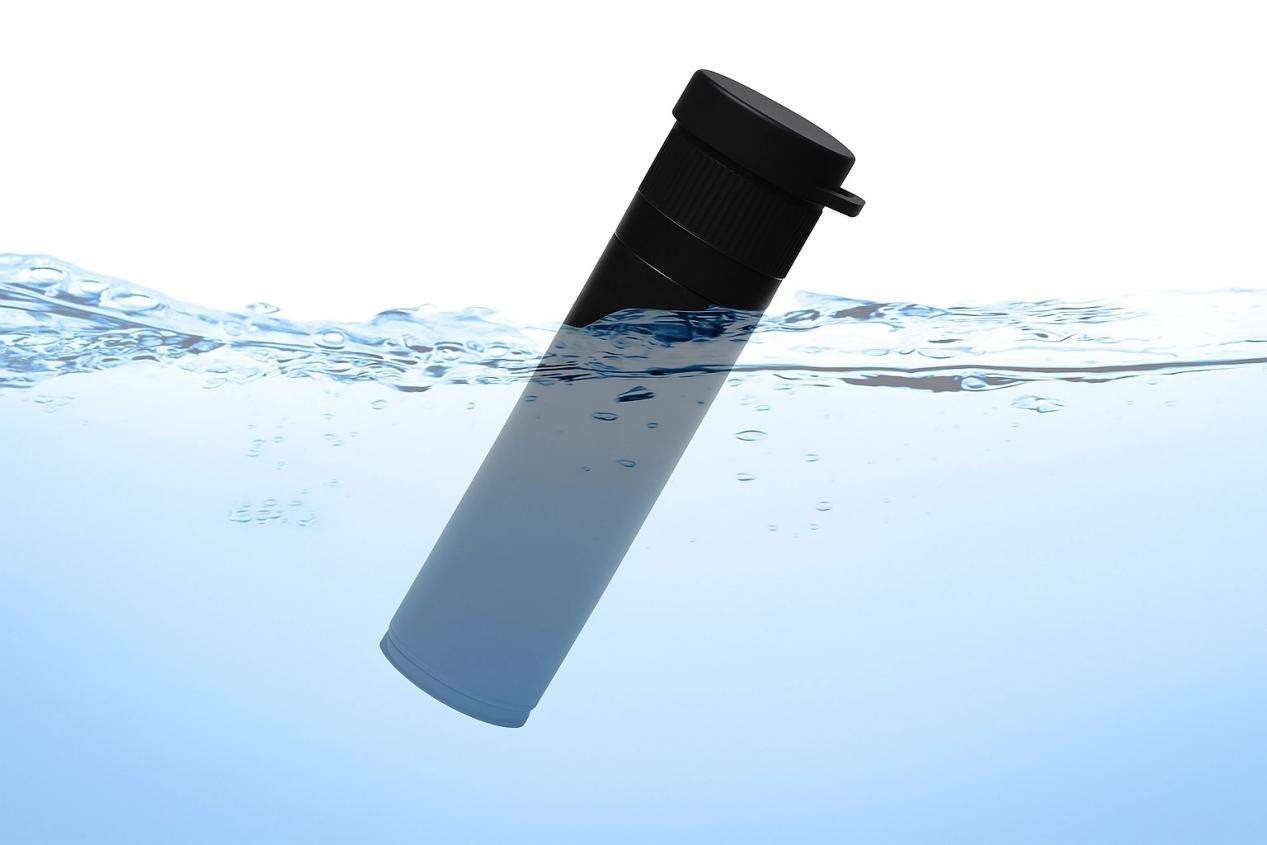
A monocular fits all into one tube. You put it to one eye. And the other hand stays free. Maybe for a drink. Or your phone. It's small. You can tuck it in a pocket. Like an old friend. Focusing is fast. Just twist the end. No messing with two eyes.
Picture it as a fast glance tool. Perfect for checking ahead on a path. Without extra weight. But that one-eye look can seem flat. After some time. It lacks the full 3D feel from binoculars.
The way these are built goes beyond looks. It affects how they sit in your hands. And how you look through them. Notice those changes. And you'll use them well.
Weight and bulk come up first. Binoculars get heavy. Mostly the strong ones. They hang from your neck. Like a steady bag. Monoculars weigh less. Half as much, often. Easy to carry. That counts on long walks. Where each bit of weight adds up.
The glass inside counts too. Both have lenses and mirrors to make things sharp. But binoculars send light through two paths. That makes things brighter in soft light. Monoculars push it all through one. So they work great in sun. But fade faster as it gets dark.
Eye guards and bands finish it. Binoculars usually have ones you can move. Good for glasses. They block stray light. Monoculars need a tight fit to your face. It's snug. But not for all.
| Feature | Binoculars | Monoculars |
|---|---|---|
| Weight | Heavier (8-20 oz typical) | Lighter (4-12 oz typical) |
| Size | Bulkier, neck-strap ready | Pocket-sized, handheld |
| Light Handling | Better in dim conditions | Strong in bright light |
| Eye Comfort | Dual-eye relief | Single-eye focus |
This chart lays out the key parts. Choose by what you carry.
Now we reach the core. How these feel when you use them. The difference between using binoculars and monoculars stands out. Mostly in real moments. Like sweeping the sky. Or following something that moves.
Think about getting started. Binoculars need a fast width check. Use the side arm. Line them to your eyes. Turn the focus dial. And set each eye if it varies. It's over in seconds. And gives a firm hold. But if they slip? The band catches them.
Monoculars cut the arm step. Stretch the body. Put it to your eye. And look. One hand does it all. Great if you hold a guide. Or climb a bit. The other side? Keeping it still takes time to learn. A wobbly arm blurs things quick. No second eye to help steady.
Here's a quick tale. A buddy once struggled with binoculars on a bumpy boat. The rocks threw him. He switched to his monocular. Things smoothed out. One hand on the side. The other saw the sea life.
The see area switches things. Binoculars give a big sweep. Say 300 to 400 feet across at a thousand yards. You grab big scenes. Like hills or bird groups. With little side moves. Distance sense works too. You guess how far that animal is. Like 50 steps away. It feels natural.
Monoculars make it tighter. Often 200 to 300 feet wide. It's like a straight path. Sharp for close details. Such as a bird's wing shape. But for busy spots or tree lines? You move it more. No second eye for distance. So you guess ranges. That slows down hunters. Or picture takers.
Day to day, this means binoculars fit group looks. Think ball games. Or animal drives. Monoculars hit single aims. Like a sign way off.
Long looks show the wear. Binoculars share the pull. Between eyes and arms. So tiredness comes slow. After an hour at sea for fish. Your arms might hurt. But eyes hold up. Fold-up kinds let you rest them.
Monoculars feel good at first. Light and near. But hold it long. And the one-eye pull starts. Eyes get worn faster. Plus arm work from gripping. Soft covers aid. But nothing tops the split weight of binoculars.
Blend them. Quick looks? Monocular takes it. Full days? Binoculars last.
No device's flawless. We list them clear.
Binoculars Pros:
Binoculars Cons:
Monoculars Pros:
Monoculars Cons:
Points make it quick. See the trade-offs? It depends on your plan.
The setting decides. Fit the device to the job. And you'll like it most times.
Busy air or group hunts? Binoculars lead. Bird watchers share the sight. Pass them easy. Night sky too. The pair view pulls stars near. Even shows. Catch the singer from back rows.
They fit waiting. Hold for a moving group of deer? Fine. The two-grip calms shakes.
Small areas need monoculars. City walkers over walls. Or bike riders checking paths. It's out in a blink. Travel easy on bag trips. It fits your coat.
Aim work or hall looks? The tight sight gets it. But skip long holds. Save that for binoculars.
True tip: Use both. Monocular on the way up. Binoculars at the top view.
Want better from your stuff? Give these a go.
Small steps make good sights great.
As a trusted supplier of binoculars and monoculars, Hemusun Optical Instrument Co., Ltd. stands out with its focus on quality and innovation. Based in a modern factory, the company crafts tools that blend sharp optics with user-friendly designs. From research-driven lenses to hands-on testing, Hemusun ensures gear that holds up in the field. Their global reach means reliable picks for hobbyists and pros alike, all backed by solid service.
Looking at the difference between using binoculars and monoculars proves it. No one wins all. It's about match. Binoculars wake the full picture. With distance and calm for slow looks. Monoculars give fast. Light pulls for move days. Think of your trips. Group fun or long scans? Pick pair. Swift checks or easy loads? Go one tube.
Clear looks make stronger tales. Head out. Look wise. And watch things open. What's your next sight?
For new folks, the difference between using binoculars and monoculars comes to eyes and hands. Binoculars take both eyes. They give a real, deep sight. But need two-hand holds. Monoculars free one hand. With a one-eye look. Good for fast checks. Though it may seem tight early on.
Change when room or pace counts. If you walk light. Or do two things on a ride. Monoculars drop the load. Binoculars rule steady, big sweeps. Like long bird sits.
Sure. It can. Binoculars split the work over two eyes. That cuts wear on long looks. Monoculars bunch it in one. So pauses help skip the sore blink. Hint: Blink lots no matter what.
Wet or mist boosts the splits. Binoculars take soft light well. With two glass paths. Things stay clear. Monoculars do fine in bright. But cloud up soon. Rub them quick.
Begin cheap. Get a basic set of each. Under fifty bucks. Try on near paths. Binoculars for the wide. Monocular for the near. Sense the change your way. No big outlay.