

A 905nm laser rangefinder does one basic task: it helps people find distance fast in actual outdoor settings. Golf players seek a clear yardage to the pin. Hunters require a steady reading over rough land. Walkers, boat users, and nature watchers might need to gauge the space to a hill, tree row, coast, or key spot.
Many shoppers look at zoom level, range length, battery length, and cost at first. Those points count. But wavelength is a key hidden element in true outdoor work. The 905nm wavelength shows up often in small outdoor laser rangefinders. It provides a useful mix of size, price, energy use, and speed in readings.
For personal users and company buyers, understanding how 905nm laser rangefinders function can simplify picking the right product.
A 905nm laser rangefinder employs near-infrared laser beam to gauge distance. The beam is usually unseen by human eyes. However, the tool can direct it at a goal, pick up the bounced signal, and figure out the goal's distance.
The figure 905nm points to the wavelength of the laser. “nm” stands for nanometer, a tiny unit to label light waves. In outdoor sight tools, 905nm falls in the near-infrared area.
This wavelength appears a lot in hand-held rangefinders. It pairs well with small laser diodes, light catchers, and easy-to-carry electronic parts. Thus, it suits rangefinder scopes, golf rangefinders, hunting rangefinders, and outdoor distance tools that must remain light for on-site use.
Outdoor folks seldom desire bulky gear. A rangefinder might rest in a golf carry, coat pocket, hunt bag, or car dash. A 905nm laser rangefinder can stay small. At the same time, it delivers quick distance figures.
It also matches needs for big-batch making. For sellers, own-brand lines, and outdoor sight shops, 905nm tech aids a solid blend of work and price hold. That explains its frequent use in small laser rangefinder items aimed at sports, trips, hunting, and nature viewing.
The main method is swift. But the tool does more than just “aim a laser.” A rangefinder has to release a signal, grab a faint bounce, handle the data, and show a distance users can rely on.
Most 905nm laser rangefinders follow the time-of-flight way. The tool releases a brief laser burst at the goal. The burst strikes the goal, bounces back, and reaches the catcher. Since light speed is fixed, the rangefinder works out distance from the burst's return time.
In plain words:
Step | What Happens Inside the Rangefinder |
|---|---|
Laser emission | A 905nm pulsed laser is sent toward the target |
Target reflection | The target reflects part of the signal back |
Signal reception | The optical receiver captures the returning light |
Distance calculation | The processor converts travel time into distance |
Display output | The user sees the reading on the screen |
This occurs in a split second. Solid rangefinders redo the steps and clean the signal. They do this well when the goal is tiny, dark, slanted, or half-hidden by limbs, weeds, haze, or shine.
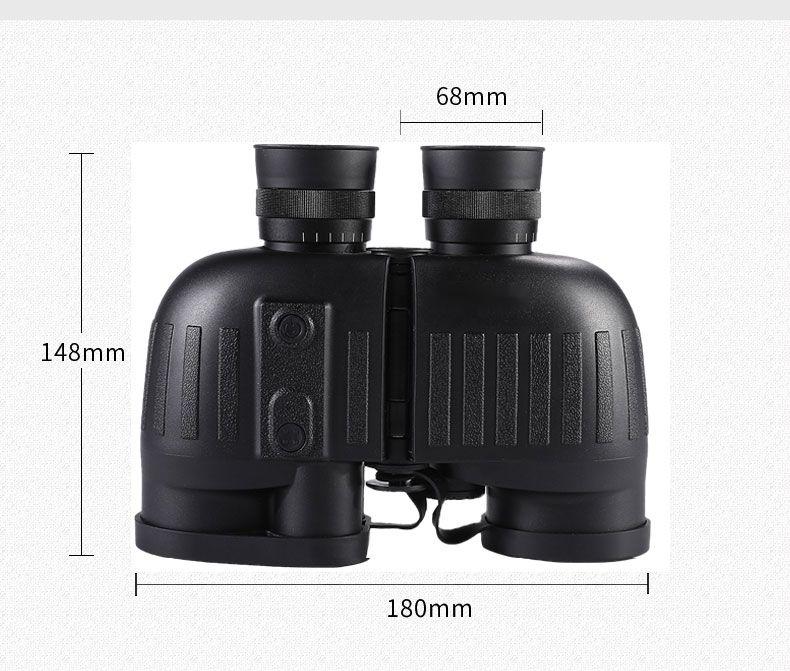
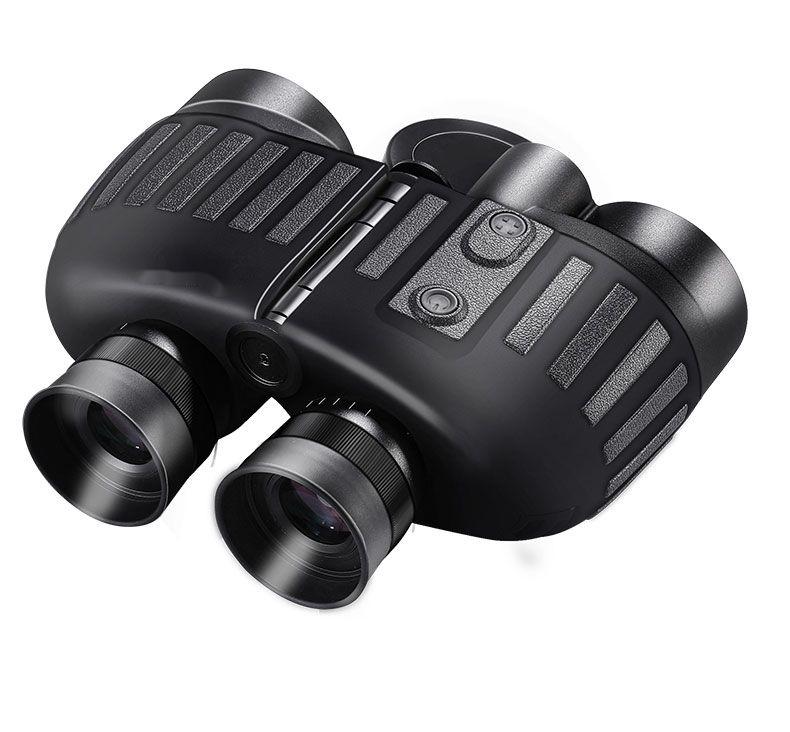
A laser rangefinder is more than an electronic gadget. It serves as an optical tool too. Lens build, cover, view area, screen sharpness, and frame shape all shape the feel.
A sharp view area aids the user in pointing at the right item. High-pass optics ease outdoor looks. A vivid screen counts in strong sun. A firm hold cuts hand wobble. This makes it simpler to range a small goal like a golf pin, creature, sign, or far stone.
Outdoor true work does not hinge on wavelength by itself. Yet, wavelength shapes how the laser signal moves, bounces, and gets back to the catcher. For this reason, the same goal might prove easier to gauge in one setup and tougher in another.
Varied stuff bounces 905nm light in diverse manners. A white board, steel post, or light stone might send a firmer signal than black wood, damp dirt, beast coat, or a dim slope.
This explains why rangefinder figures can vary in the open. A tool might grab a shiny goal fast from afar. Meanwhile, a dark, soft, or tilted goal may call for a firmer hold and a clearer sight path.
Usual goal elements cover:
For instance, gauging a pin on a wide golf field differs from gauging a deer half behind bushes. The wavelength, catcher, software, optics, and user skill all join forces.
Bright sun adds back light to the view. The rangefinder must split the returning laser signal from outdoor glow. Here, catcher feel, light filter, and inner signal handling gain weight.
One should not rate a 905nm outdoor laser rangefinder just by its top distance note. A better query is: can it offer quick, steady figures when the sun sits high, the goal is small, and the user has mere seconds to gauge?
Air does not stay pure and dry always. Rain, mist, grit, snow, sea mist, and damp can spread or weaken the laser burst before it returns. The impact might stay light on a clear dawn. But it grows much in misty woods or by water.
This does not signal that 905nm fails for outdoor tasks. It shows buyers must pair the item to the site. For common golf, walks, hunting, and basic outdoor gauging, a 905nm laser rangefinder often proves a sound pick. For very far or unique factory tasks, other tech paths might fit.
Some shoppers weigh 905nm against 1550nm in picking a laser rangefinder. Both serve distance gauging. But they meet varied item demands.
The chief plus of 905nm lies in its mix. It backs small scale, less energy draw, swift figures, and fair making price. These traits aid golf rangefinders, hunting rangefinders, rangefinder scopes, and outdoor sport sights.
For shop and bulk markets, this mix holds value. A rangefinder must prove true enough for real tasks, fit buyer price hopes, and last through outdoor care.
1550nm setups often get named for top-tier or farther tasks. They might permit varied safety and power picks. But they tend to carry higher part prices and a distinct item spot.
For most outdoor users, the top pick does not rest on wavelength alone. The true issue is how the full tool gets built: optics, catcher, screen, software, frame build, water guard, and make steadiness.
A solid item stems from more than one spec. Outdoor true work arises from the full setup joining well.
A user must spot the goal sharply first. If the picture dims, narrows, or blurs, aiming gets tougher. This holds true when gauging small goals, like a pin, limb, mark, or beast at cover's edge.
Layered cover, high-pass lenses, and a sharp screen aid users in lining the goal quicker. This counts more than many shoppers think.
Greater zoom aids far details. But it can show hand shake more. Lesser zoom often eases quick scans and hand use. For many outdoor shoppers, the best pick hinges on the task case:
Use Scenario | Better Product Direction |
|---|---|
Golf course | Fast target lock, clear display, slope or angle function when needed |
Hunting field | Durable body, stable ranging, good target separation |
Hiking and travel | Compact size, light weight, easy one-hand operation |
Marine or open terrain | Wide field of view, strong body sealing, clear long-distance viewing |
Retail product line | Different price levels for entry, mid-range, and premium buyers |
A fine rangefinder should feel easy in the hand. Keys should press simply without aim shift. The screen should read well in bright sun and dim light.
Outdoor tools face knocks, packs, drops in bags, and weather shifts. A trusty 905nm laser rangefinder needs a hard shell, steady light line, good seal, and useful shape fit.
Water hold, mist hold, lens guard, and long work span all count for shoppers who use the tool much. For company buyers, these also shape return levels, user notes, and lasting brand faith.
The top rangefinder is not always the one with the longest noted range. A wiser pick begins with the true task setting.
Golf folks often seek quick pin figures, easy work, a sharp screen, and sure yardage. If slope fix joins in, users should grasp when that tool fits and when to shut it for rule play.
Handy traits cover:
Hunters and nature watchers often meet trees, darks, rough ground, and moving goals. They seek lasting build, fine optics, and figures that hold steady over mixed backs.
A hunting rangefinder should not seem weak. It must carry easy, work quiet, and show clear for dawn or dusk tasks.
Bulk shoppers, own-brand makers, and spreaders should go past the test unit. A sound buy choice also rests on make hold, custom aid, pack, tech talk, and post-sell help.
Main buy notes include:
For firms shaping an outdoor sight item line, 905nm laser rangefinders can aid basic, middle, and high buyer groups. They do so without driving the item into a too-high price group.
Hemusun Optical Instrument Co., Ltd. centers on study, build, making, and sell of sight tools. Its item set spans outdoor light tech and exact sight goods. This includes rangefinders, binoculars, monoculars, spot scopes, night sight tools, sky scopes, lenses, filters, microscopes, enlargers, and linked sight parts.
For rangefinder shoppers, Hemusun brings a useful blend of sight plan, laser gauge tech, and custom help. Its rangefinder set aims at golf, hunting, outdoor fun, and company buy needs. It backs OEM, ODM, bulk, and shop ties.
The firm also handles sight work, cover, join, test, and quality watch. Custom sight parts and laser gauge blocks stand ready for buyers with set tech wants. This offers brand holders, spreaders, and item builders a broader route than just grabbing a ready item. They can shape an item path around goal users, price band, sight build, look, pack, and market spot.
A 905nm laser rangefinder gains favor because it hands outdoor users a helpful mix of scale, speed, price, and site work. Wavelength counts. But it forms just one piece of the full setup. True work also hinges on goal bounce, sun, weather, catcher build, light cover, screen sharpness, frame plan, and the user's steady aim skill.
For golf, hunting, walks, trips, and nature viewing, 905nm tech stays a sound option. For company buyers, it also aids growing item plans, own-brand build, and bulk spread. A well-made 905nm outdoor laser rangefinder goes beyond distance figures. It aids users in quicker, steadier, and surer choices on site.
Yes, a 905nm laser rangefinder can hold true outdoors. This works when the tool has a solid catcher, sharp optics, steady software, and right frame plan. True work may shift with goal hue, face feel, sun, rain, mist, and hand sway.
Many golf and hunting rangefinders pick 905nm. It fits small hand tools and backs quick distance gauging at a fair price. It suits outdoor sports, site viewing, and shop item lines well.
Strong sun can toughen distance gauging. The catcher must pull the returning laser signal from bright back glow. Fine light filter, catcher feel, and signal handling boost outdoor figures.
905nm often suits better for small, price-friendly outdoor laser rangefinders. 1550nm might join some top or special far systems. But the top pick rests on item aim, budget, scale, and work wants.
Bulk buyers should eye gauge work, sight sharpness, screen read, frame lasting, water plan, battery kind, custom picks, pack aid, quality watch, and post-sell help.