
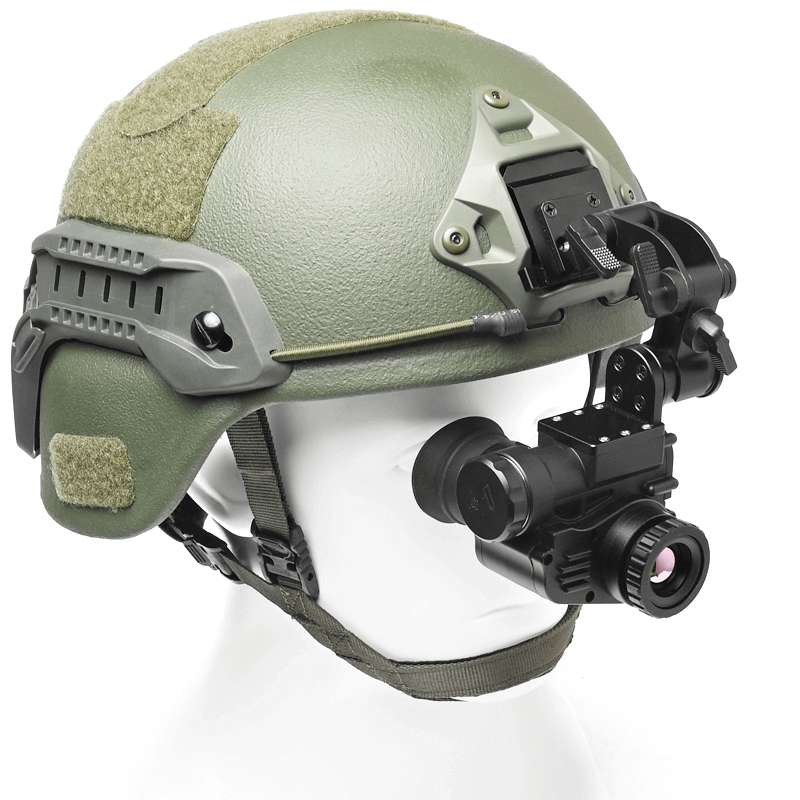
Picking the right OEM for thermal monoculars takes real care. One wrong choice can lead to delays later on. Shipments might run late. Customers could end up unhappy. Equipment might fail right when it counts. Procurement managers who buy helmet-mountable units like the BTI-10 Helmet Mountable Thermal Monocular know this well. A careful check at the start saves both time and money in the long run.
This guide walks through the five main points that experienced buyers watch closely. It offers a simple checklist you can put to use right away.
Thermal monoculars now serve many different roles. Police officers use them on patrol. Hunters rely on them at night. Search teams depend on them in tough terrain. Factory inspectors check equipment with them too. Everyone expects sharp images and steady performance even when conditions turn rough. A supplier that looks good on paper can still cause trouble if deliveries fall short.
Smart buyers go beyond basic specs. They examine sensor performance in detail. They test how well the device holds up in real use. They review customization choices. They also check the level of help available after the purchase.
The sensor sits at the center of every unit. Its resolution and NETD value shape how clear the image appears during actual field work. A 384×288 sensor can handle basic tasks. Yet many professionals now prefer 640×512 resolution instead. This higher count reveals finer details at greater distances.
Lower NETD numbers below 35mK improve contrast. They help when fog, rain, or humidity clouds the view. One procurement manager at a European security firm ran side-by-side tests on two models. The higher-resolution unit picked up heat signatures from farther away during night trials. That difference can matter a great deal when safety is involved.
Field conditions are rarely gentle. Your thermal monocular must withstand drops, dust, heavy rain, and wide temperature changes. Look for solid housing materials. Check the seals for strength. Aim for high IP ratings such as IP67 or above. The helmet mount also needs careful review. It should stay firm during active movement yet remain comfortable over long periods.
Experienced buyers request drop-test results and weather-chamber data. A reliable OEM provides these reports without extra prompting.
Strong after-sales support makes a clear difference in daily operations. Check how quickly the team answers questions. Confirm they keep spare parts on hand. Ask about typical repair turnaround times. Reliable suppliers usually provide two- to three-year warranties on core components. They also supply firmware updates and technical guidance when needed.
One law enforcement distributor changed suppliers after facing slow repair cycles. The new partner completed fixes much faster. This kept more units active in the field instead of waiting in storage.
Standard products suit some buyers well. Many organizations still want added features. They request custom logos, specific color schemes, unique firmware settings, or different packaging styles. Good OEMs manage both simple branding and deeper modifications. This kind of flexibility helps your products stand apart from others in the market.
Steady delivery remains essential for any business plan. Ask where the supplier sources key materials. Find out their current production volume. Learn how they manage sudden large orders. Strong partners keep important components in stock. They can scale output without long delays. This strength becomes vital when you face tight deadlines for government or commercial contracts.
Supplier Evaluation Scorecard
Factor | What Good OEMs Deliver | Warning Signs | Weight |
Sensor Quality | 640×512 resolution, low NETD | Vague specs, high NETD | High |
Build & Protection | IP67+, proven drop & weather testing | Basic IP65, limited test data | High |
After-Sales Support | Fast response, spare parts in stock | Slow replies, long repair times | High |
Customization Ability | Logo, firmware, packaging options | Limited or no custom work | Medium |
Supply Chain & Capacity | Stable materials, flexible scaling | Long lead times, frequent delays | High |
A U.S. distributor once switched suppliers after repeated sensor issues. The new partner delivered steady performance and solid technical help. Their return rate fell sharply within six months. Another buyer in Europe needed custom firmware for smooth system integration. A capable OEM supplied the update on schedule and reduced training time for end users.
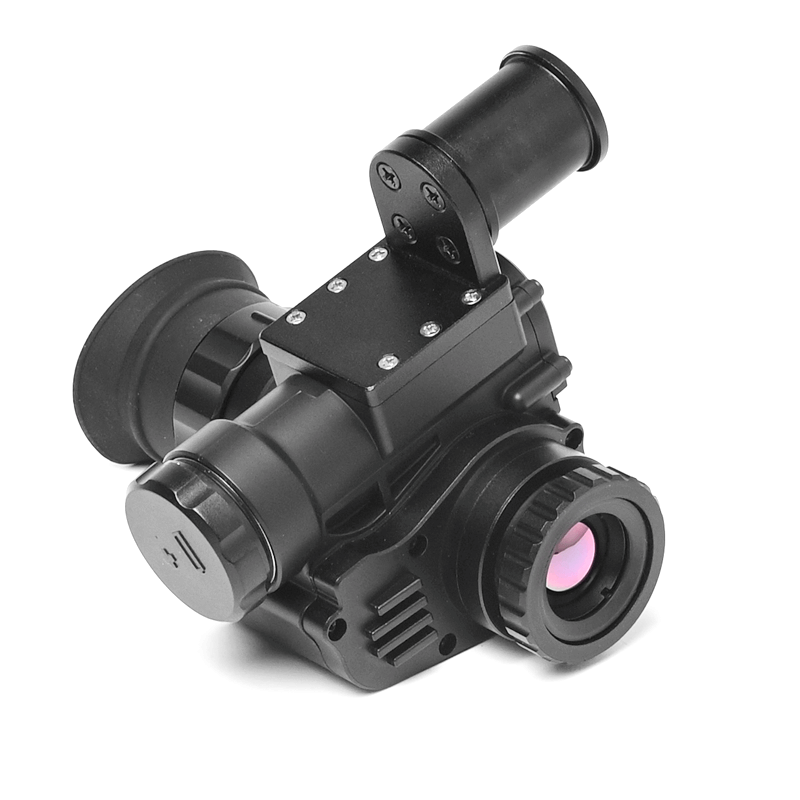
Hemusun Optical Instrument Co., Ltd. is a high-quality optical products supplier with deep expertise in thermal imaging and night vision devices. The company focuses on advanced helmet-mountable thermal monoculars like the BTI-10. These units combine strong sensor performance with rugged construction for demanding professional use. The firm maintains reliable manufacturing standards and offers responsive technical support. It also provides flexible OEM/ODM capabilities. Hemusun helps distributors and brands deliver dependable optical solutions to law enforcement, hunting, and industrial clients worldwide.
Evaluating thermal monocular OEMs takes focused effort. You review sensor performance, physical toughness, support systems, customization options, and supply reliability. Time spent checking these five areas helps you select partners that lower risk and support long-term success. The right supplier becomes more than a simple vendor. They become a key part of your ability to deliver quality products that customers can trust in critical situations.
If you are sourcing helmet-mountable thermal monoculars or planning future projects, focus on suppliers who perform well in these areas. The work you put in now pays off later through better products and smoother operations.
Many professional applications perform best with 640×512 resolution. It gives clearer images and better detection range than lower resolutions.
It matters a lot. Look for IP67 or higher. This helps the device handle dust, heavy rain, and tough field conditions without failing.
Fast responses, available spare parts, and reasonable repair times. Strong suppliers also offer technical guidance when you need it.
Yes. Many good manufacturers offer logo customization, special firmware, and tailored packaging to help your products stand out.
Stable suppliers keep better delivery schedules and consistent quality. This reduces delays and helps you meet customer promises more reliably.